
Container Gardens
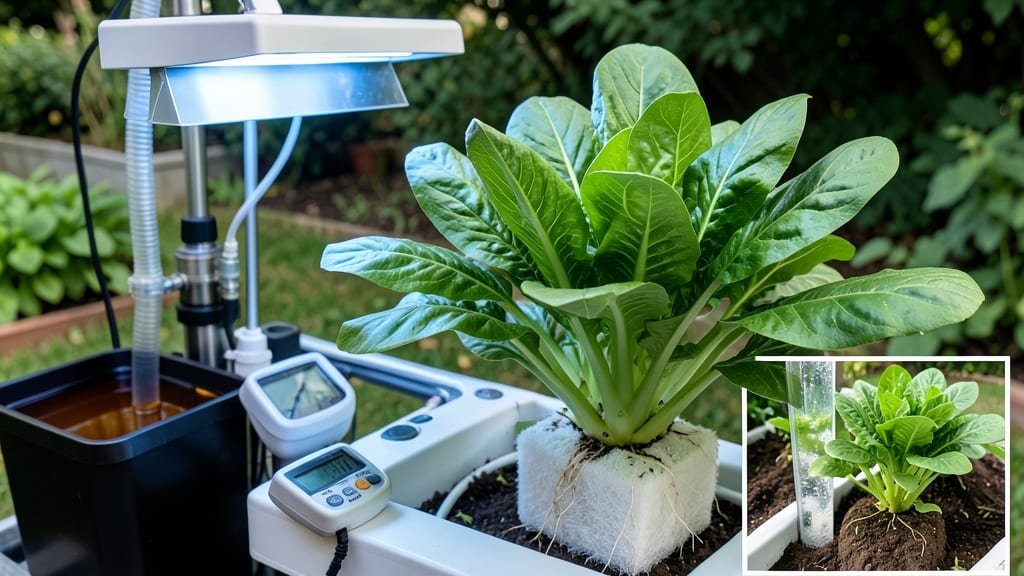
Hydroponic gardens are worth it for beginners when you're working with limited space or aiming for higher yields, since they can produce 25-50% more crops per square foot than traditional soil gardens while using 90% less water—but the higher upfront costs and learning curve might not justify the investment if you're just growing for fun.
If you're looking to grow more food in less space with less water, hydroponics delivers serious efficiency gains. 🌱 The system's ability to deliver nutrients directly to roots means faster growth rates—some plants mature in half the time compared to soil—and eliminates soil-borne pests and diseases.
That said, the initial investment in equipment like grow lights, pumps, and nutrient solutions can add up, especially for beginners. I've found that starting with a simple Kratky or deep-water culture system makes the transition easier while still offering impressive results for leafy greens and herbs.
For those focused on profitability, hydroponics shines with high-value crops like basil, lettuce, and strawberries, where the increased yield per square foot directly translates to better returns. The water savings alone can be a game-changer, especially in drought-prone areas.
But if you're growing primarily for personal enjoyment and don't mind the extra space, traditional gardening might be more cost-effective and forgiving for beginners.
💡 In This Article
- How Hydroponics Maximizes Plant Growth Efficiency
- Hydroponic System Costs vs. Traditional Gardening ROI
How hydroponics maximizes plant growth efficiency
Hydroponics supercharges plant growth by removing soil from the equation and delivering nutrients directly to roots through an oxygen-rich water solution. Unlike soil, which can compact and limit root expansion, hydroponic systems create an open environment where roots grow freely—up to 30% faster in some cases.
This direct nutrient access means plants focus energy on leaf and stem production rather than searching for nutrients, which is why lettuce in hydroponics can reach harvest size in just 21-30 days compared to 45-60 days in soil.
The oxygenation aspect is critical—roots in hydroponics absorb 20% more oxygen than those in soil, which prevents root rot and encourages vigorous growth. This is why hydroponic basil often develops thicker stems and more leaves per plant than its soil-grown counterparts.
The controlled environment also eliminates soil-borne pathogens, reducing the need for pesticides by up to 90%. For example, strawberries grown hydroponically show 40% fewer signs of disease than those in traditional beds.
Temperature and light control further boost efficiency. Hydroponic systems maintain ideal growing conditions—typically 65-75°F—while traditional gardens fluctuate with weather. LED grow lights in hydroponics provide full-spectrum light, which can increase photosynthesis rates by 25-30% compared to natural sunlight alone.
This precision is why microgreens in hydroponics yield 5-10 times more per square foot than soil-grown varieties.
However, this efficiency comes with trade-offs for beginners. The system requires consistent monitoring of pH (5.5-6.5 for most plants) and nutrient levels, which can be tricky without experience. For instance, a pH imbalance of just 0.5 points can reduce nutrient uptake by 50%.
That said, the payoff for high-value crops like herbs and greens makes it worthwhile—hydroponic cilantro produces 3-4 times more leaves per plant than soil-grown varieties.
Consider this real-world comparison: A 4'x4' hydroponic system can yield 12-15 lbs of lettuce per month, while the same area in soil might produce just 6-8 lbs.
The water savings alone—using 90% less than traditional gardening—can offset some of the initial costs, especially in urban or drought-prone areas where water efficiency matters most.
For beginners, starting with a simple Kratky system (which requires no pumps) can help overcome the learning curve while still delivering impressive results. The key is understanding that hydroponics isn't just about faster growth—it's about creating an optimized environment where every resource is used efficiently. 💫