
Pests and Diseases
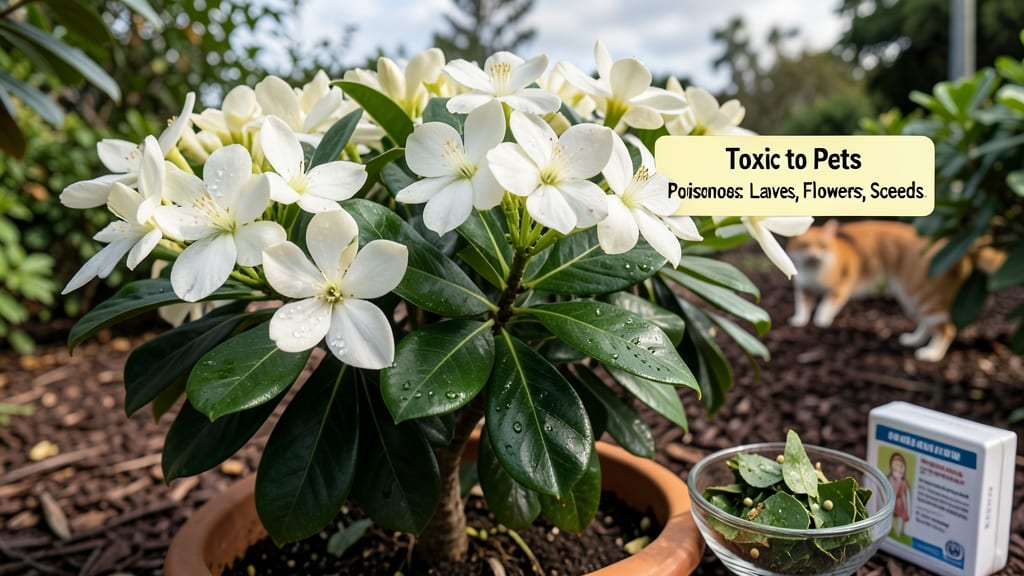
Are gardenias poisonous? Yes, gardenias are poisonous to humans and pets due to their leaves, flowers, and stems containing toxic compounds like saponins and glycosides, which can cause nausea, vomiting, and skin irritation if ingested or touched.
Gardenias contain natural toxins that affect both people and animals, though the severity depends on exposure levels.
The leaves and stems are particularly potent, containing higher concentrations of saponins that disrupt cell membranes in the digestive tract. 🌿 Even small amounts of chewed foliage can trigger mild to moderate gastrointestinal distress, while direct skin contact may cause rashes or itching.
Unlike some ornamental plants, gardenias don't produce cyanide, but their compounds still warrant caution—especially for curious pets or young children who might nibble on fallen petals or leaves.
What's interesting is how toxicity manifests differently across plant parts. The flowers contain lower toxin levels but can still cause irritation if handled frequently or ingested in large quantities. The real danger comes from prolonged exposure or accidental consumption, where symptoms like drooling, lethargy, or diarrhea may appear within hours.
If you're growing gardenias, I always recommend wearing gloves during pruning and keeping them out of reach of pets—my golden retriever once chewed a leaf and spent the afternoon miserable with stomach upset!
💡 In This Article
- Toxic Compounds in Gardenias: What Makes Them Dangerous
- Safe Gardenia Care: Handling and Pet-Proofing Tips
Toxic compounds in gardenias: what makes them dangerous
The primary toxins in gardenias are saponins and glycosides, two chemical compounds that disrupt biological systems in very different ways. Saponins act like natural detergents, breaking down cell membranes in the digestive tract when ingested.
This causes irritation in the mouth, throat, and stomach lining, leading to symptoms like drooling, vomiting, and diarrhea. 🌿 The concentration of saponins is highest in the leaves and stems—about 0.5-1.2% of their dry weight—making these parts the most dangerous if chewed or swallowed.
Glycosides, on the other hand, interfere with how cells process oxygen, which can lead to weakness or respiratory distress in severe cases. Unlike saponins, these compounds are more evenly distributed throughout the plant, including the petals.
However, the flower's toxicity is generally milder because the glycosides are bound to sugars, making them less bioavailable unless the tissue is damaged (like when a petal is crushed or chewed).
For comparison, gardenias contain roughly half the saponin concentration of castor beans (which are deadly), but their glycoside profile is more similar to other ornamental plants like oleander—just less potent.
Skin contact with gardenia sap or crushed leaves can trigger contact dermatitis, a red, itchy rash that develops within hours. The plant's essential oils, which contain terpenes like nerolidol, act as skin irritants by increasing permeability in the outer layer of skin.
This is why gardeners often report rashes after pruning without gloves—even a single exposure can cause localized swelling or blistering in sensitive individuals. The aroma itself is fragrant and sweet, masking the plant's true danger until physical contact occurs.
What makes gardenias particularly insidious is how their toxicity varies by plant part. The leaves contain the highest concentration of both saponins and glycosides, followed by the stems, while the flowers are the least toxic but still capable of causing irritation if ingested in large quantities.
For example, a dog chewing on a single gardenia leaf might experience mild vomiting, whereas eating a handful of petals could lead to nothing more than a stomach ache. The key difference lies in the surface area exposed—crushed or torn plant material releases more toxins than intact pieces.
In the broader world of toxic ornamental plants, gardenias rank as moderately dangerous compared to others. For instance, oleander contains cardiac glycosides that can be fatal in small doses, while foxglove's toxins are even more potent.
Gardenias fall somewhere in the middle, with symptoms typically resolving within 24-48 hours of exposure unless the dose is extremely high. This is why they're still popular in landscaping—when handled properly, their risks are manageable, but their toxicity should never be underestimated.
If you're curious about how these toxins work at a cellular level, think of saponins as microscopic soap bubbles that burst cell walls, while glycosides act like molecular locks that jam cellular respiration.
Together, they create a double threat: immediate digestive upset followed by potential systemic effects if enough is consumed. This dual mechanism explains why gardenias can cause symptoms even when other plants with similar toxin types might not. 💡