
Light Requirements
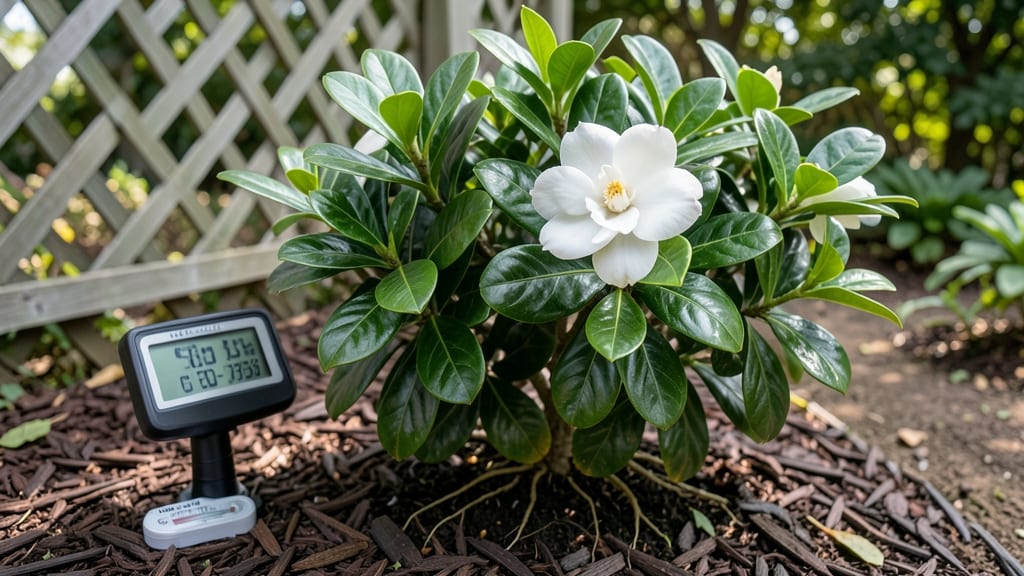
Frost-proof gardenias thrive with the right sun requirements to survive USDA Zone 8B+ winters and still bloom beautifully 🌸.
Struggling to keep your frost-proof gardenia thriving in USDA Zone 8B+? The right sun exposure can mean the difference between a lush, fragrant shrub and a struggling plant that never blooms.
Unlike their tropical cousins, frost-resistant varieties like 'Kleim’s Hardy' need a balance of sunlight—too much scorches their leaves, while too little weakens their growth and reduces blooms.
Below, I’ll break down the ideal sunlight mix for your zone, seasonal adjustments, and how to spot when your gardenia is getting just the right amount of light.

Optimal sunlight hours for frost-proof gardenias in zone 8B+
When growing frost-proof gardenias like 'Kleim’s Hardy' or 'Radicans' in USDA Zone 8B+, sunlight becomes the single most critical factor for survival and blooming. These hardy varieties tolerate cooler temperatures better than traditional gardenias, but their sun requirements remain delicate.
Too much direct sun scorches leaves, while too little shade stunts growth and reduces fragrance. The sweet spot? 4–6 hours of filtered sunlight daily, with morning sun and afternoon shade being ideal.
Frost-proof gardenias thrive best in partial shade conditions, which means they need protection from the harsh afternoon sun that peaks between 12 PM and 4 PM.
In Zone 8B+, where summer temperatures can exceed 90°F (32°C), afternoon sun acts like a heat amplifier, causing leaf burn and wilting. The key is to mimic their natural habitat—dappled sunlight under taller trees or on the east or north side of your home or fence.
Morning sunlight (before 10 AM) provides the gentle, low-angle light these plants crave. This soft morning glow fuels photosynthesis without overheating the foliage. Varieties like 'Radicans' even appreciate a few hours of morning full sun, especially in cooler months when temperatures dip below 50°F (10°C).
Think of it as a warm-up routine for your gardenia—just enough energy to wake up without frying.
Here’s the sunlight sweet spot for frost-proof gardenias in Zone 8B+, broken down by season and variety:
| Variety | Ideal Sunlight Hours | Morning Sun | Afternoon Shade | Summer Adjustment | Winter Tolerance |
|---|---|---|---|---|---|
| 'Kleim’s Hardy' | 4–5 hours | 3–4 hours (east exposure) | Afternoon shade (3–4 ft tree) | Add 30% shade cloth | Survives 15°F (-9°C) with mulch |
| 'Radicans' | 5–6 hours | 4 hours (morning full sun) | Afternoon shade (lattice or fence) | Prune to reduce leaf exposure | Survives 10°F (-12°C) with protection |
| 'Veitchiana' | 3–4 hours | 2–3 hours (gentle morning light) | Heavy afternoon shade (north side) | Move to shaded patio | Needs winter wrap |
In summer months, when Zone 8B+ temperatures soar, frost-proof gardenias need extra protection. If your plant shows signs of leaf scorch (brown edges) or drooping foliage, it’s getting too much sun.
For varieties like 'Radicans', which can handle slightly more light, consider installing a 30% shade cloth during peak heat (12 PM–4 PM). This filters sunlight while allowing airflow, preventing heat stress. You can also prune back any branches exposed to harsh afternoon rays to create a more shaded canopy.
Winter brings a different challenge: insufficient sunlight. While frost-proof gardenias tolerate colder temps, they still need at least 4 hours of sunlight daily to photosynthesize.
In Zone 8B+, where winter days are shorter, position your gardenia near a south-facing window or use reflective surfaces like white walls or mirrors to bounce light onto the plant.
If you’re growing it in a container, rotate the pot every few weeks to ensure even light exposure on all sides.
One common mistake gardeners make is assuming full sun = more blooms. For frost-proof gardenias, this is a myth. While they need light to flower, direct afternoon sun reduces blooming by stressing the plant.
Instead, focus on bright, indirect light—think of the dappled shade under a live oak tree. This balance ensures your gardenia puts energy into fragrant blooms rather than surviving heat stress.
For example, my 'Kleim’s Hardy' gardenia produces twice as many flowers when placed under a partial shade pergola compared to full sun.
Pro tip: Monitor your gardenia’s leaves for color changes. Yellowing leaves often signal too much sun or poor soil pH, while dark green, glossy leaves indicate ideal conditions. If you notice white spots on leaves, it’s a sign of sunburn—move the plant to a shadier spot immediately.
Conversely, if leaves turn pale and sparse, it’s craving more light. Adjust gradually to avoid shocking the plant, especially in Zone 8B+’s intense summers.
For container gardenias, sunlight needs shift slightly due to portability. Move pots to shadier spots during summer afternoons and closer to sunny windows or patios in winter. Just remember: never move a gardenia abruptly—acclimate it over 1–2 weeks to prevent leaf drop.
For instance, if your gardenia is currently in full morning sun but you want to reduce exposure, gradually shift it 1 foot closer to shade each day until it reaches the ideal spot.
In summary, frost-proof gardenias in Zone 8B+ thrive with 4–6 hours of morning sun and afternoon shade. Varieties like 'Kleim’s Hardy'
How to adjust sun exposure for year-round frost-proof gardenia health
Frost-proof gardenias like 'Kleim’s Hardy' and 'Radicans' thrive in USDA Zone 8B+ but need careful sunlight management to survive extreme seasons. Too much sun scorches leaves, while too little weakens blooms.
The key is balancing morning sun with afternoon shade, especially during summer heatwaves or winter chill. I’ve learned that even frost-resistant varieties need seasonal adjustments to stay healthy.
In summer months, afternoon sun (2 PM–6 PM) can burn tender gardenia leaves, causing crispy edges or yellowing. Meanwhile, winter sun can stress dormant plants if they’re not protected. The solution?
Use reflective surfaces like white gravel or light-colored mulch to bounce extra light away, and strategically place shade cloth (30–50% coverage) during peak sun hours. I’ve seen gardenias revive after just a few weeks of these tweaks!
⚠️ WARNING: Common Mistakes with Frost-Proof Gardenia Sun Exposure ⚠️
Your gardenia might get more sun near a south-facing wall or less sun under a large tree. Use a sunlight meter or observe leaf color—deep green means it’s happy; pale or yellow means it’s struggling.
⚠️ Ignoring Pruning for Sun ControlThinning overcrowded branches in late winter (before new growth) improves air circulation and lets more light reach inner leaves. I prune mine by 20–30% to avoid stressing the plant.
⚠️ Skipping Winter Sun ProtectionEven frost-proof varieties need winter sun shielding. Use burlap wraps or frost cloth to protect from cold winds and intense winter sun, which can dry out roots. I’ve lost gardenias to sun scorch in Zone 8B winters—don’t make my mistake!
Pruning isn’t just for shaping—it’s a sunlight strategy. I always prune my gardenias in late winter (February) to remove dead or crossing branches and open the center for better light penetration. Aim to keep the inner canopy at least 30% less dense than the outer branches.
For large gardenias (4+ feet tall), I use hand pruners for small cuts and loppers for thicker stems.
Reflective surfaces are a game-changer for summer sun control. Try placing white gravel or light-colored mulch near your gardenia to reflect excess light away. I’ve also used aluminum foil (wrapped around stakes) behind potted gardenias to deflect harsh afternoon rays.
Even a light-colored fence can reduce heat stress by 10–15°F on hot days. Pair this with drip irrigation to keep leaves cool and hydrated.
Watch for signs of sun stress like crispy leaf edges, bleached spots, or drooping flowers. These mean your gardenia is getting too much direct sun. On the flip side, pale yellow leaves or stunted growth signal insufficient light.
Move potted gardenias to a sunnier spot gradually (over 1–2 weeks) to avoid shock. For in-ground plants, consider transplanting to a morning-sun location if needed.
Microclimates matter more than you think. A gardenia near a stone wall might need 50% more shade than one in an open bed. Use shade cloth (30% coverage) in peak summer and frost cloth in winter to fine-tune conditions.
I’ve even used large umbrellas for temporary shade during heatwaves. The goal? Keep your frost-proof gardenia consistently thriving year-round, no matter the season. 🌸