
Container Gardens
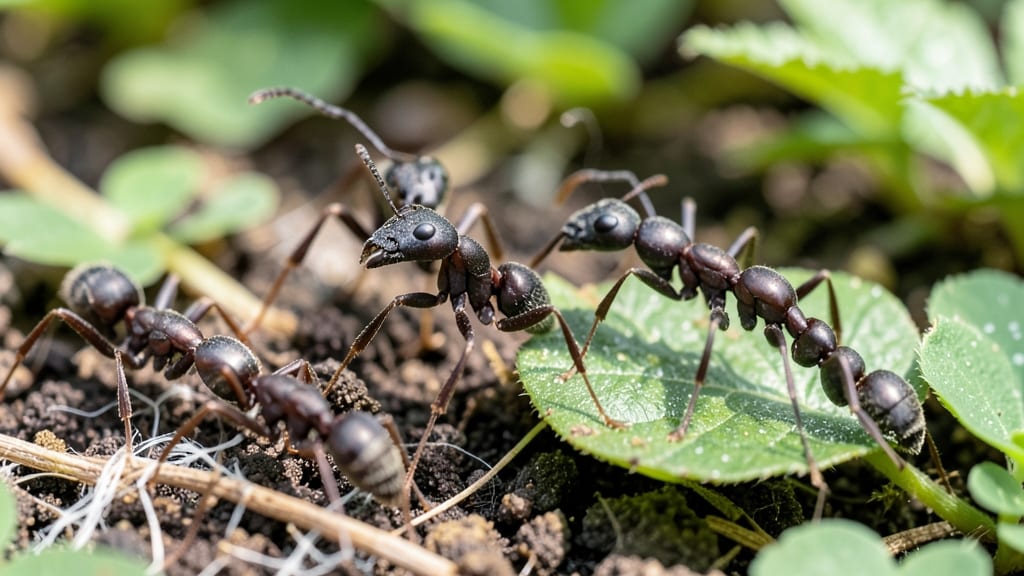
Ants are good for gardens because they aerate soil, break down organic matter, and naturally control pests like aphids by farming them. Their tunneling boosts drainage while their predatory behavior keeps harmful insects in check.
These tiny creatures act like nature's gardeners, turning soil into a healthier environment for plants. 🌱 Their tunnels create pathways for air and water, preventing compaction and helping roots grow stronger. Plus, they break down decaying plant material, enriching the soil with nutrients.
The real game-changer? Their pest control—ants regulate populations of harmful insects by either preying on them or farming them for honeydew, reducing the need for chemical interventions.
Not all ants are equal, though. Some species like fire ants can become invasive, while others like pavement ants actively improve soil health. The key is understanding which types thrive in your garden and encouraging the beneficial ones through natural methods.
💡 In This Article
- How Ants Improve Garden Soil and Ecosystem Balance
- Managing Ants in Your Garden: Benefits and Potential Drawbacks
How ants improve garden soil and ecosystem balance
Ants act as nature's soil engineers, creating intricate tunnel systems that can extend up to 10 feet deep in a single colony. These tunnels improve soil aeration by allowing air and water to penetrate compacted layers, which is especially beneficial in heavy clay soils where roots often suffocate.
Studies show that ant tunnels can increase soil porosity by 20-30%, creating ideal conditions for root expansion and microbial activity. The physical disturbance from their tunneling also breaks up hardpan layers, making it easier for water to infiltrate during rainfall.
Their role in decomposition is equally impressive. Ants transport organic matter—like fallen leaves, dead insects, and plant debris—back to their nests, where it's broken down into nutrient-rich compost.
Some species, like leafcutter ants, cultivate fungi in underground gardens, creating a symbiotic relationship where the ants provide nutrients and the fungi become a food source.
This process accelerates the natural breakdown of organic material, returning essential nutrients like nitrogen and phosphorus to the soil in a form plants can easily absorb. In tropical ecosystems, leafcutter ants alone can process 18% of the total leaf litter in some forests.
Ants also play a critical role in pest management through their predatory habits. Species like pavement ants and harvester ants actively hunt soft-bodied insects like aphids, mites, and caterpillars, which are common garden pests. By controlling these populations, ants reduce the need for chemical pesticides while maintaining ecological balance.
For example, a single harvester ant colony can consume up to 10,000 aphids per year, preventing infestations that could weaken plants. Their farming of aphids for honeydew might seem counterintuitive, but this practice actually regulates aphid populations by keeping them from overpopulating and damaging plants.
What makes ants particularly effective is their ability to work across multiple layers of the ecosystem. Their tunnels create microhabitats that support beneficial soil organisms like earthworms and mycorrhizal fungi, which further enhance nutrient cycling.
The physical structure of their nests also improves water retention in sandy soils, reducing runoff and ensuring plants have consistent moisture access. This multifaceted approach makes ants one of the most underrated allies in garden health, often outperforming synthetic soil amendments in both efficiency and sustainability.
However, not all ants contribute equally. While species like carpenter ants primarily nest in wood and don't directly benefit soil health, others like fire ants can become invasive and disrupt local ecosystems.
The key difference lies in their behavior and habitat preferences—beneficial ants focus on soil improvement and pest control, while harmful species may compete with plants or create unsightly mounds. Understanding these distinctions helps gardeners make informed decisions about which ants to welcome and which to manage.
The real magic happens when ants work in harmony with other soil organisms. Their tunnels provide pathways for earthworms to move through compacted layers, while their waste products enrich the soil with microbial activity. This interconnected system creates a thriving underground environment where plants can access nutrients more efficiently.
For gardeners, this means healthier plants with stronger root systems, better resistance to drought, and reduced vulnerability to pests—all without the need for chemical interventions.