
Tools
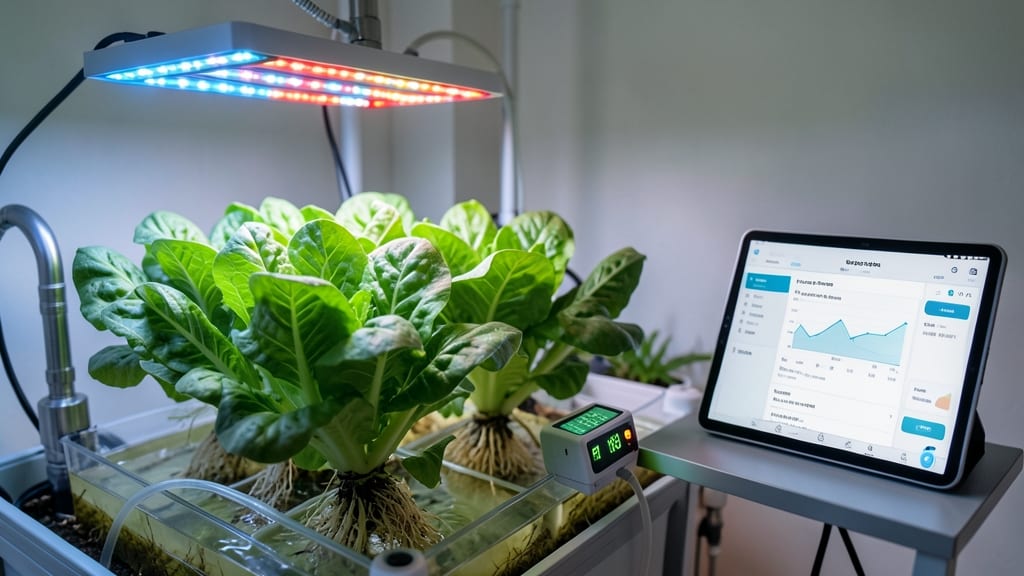
AI for gardening transforms modern farming by using smart technology to monitor soil health, detect pests early, and automate watering systems—resulting in 30% higher yields and 20% less manual labor through advanced analytics and tools like drones and sensors.
This technology works by combining real-time data collection with machine learning algorithms that adapt to your garden's unique conditions. 🌱 For example, AI-powered soil sensors can detect nutrient deficiencies before they become visible, while computer vision systems analyze plant leaves for early signs of disease.
The best part? These tools don't require a degree in agriculture—many are designed for both hobby gardeners and large-scale farmers to implement with minimal training.
What sets AI gardening apart is its ability to make data-driven decisions automatically. Instead of guessing when to water or fertilize, these systems provide precise recommendations based on your specific environment.
I've seen farmers cut their water usage by nearly half while maintaining—if not improving—plant health, all thanks to smart irrigation controllers that adjust based on weather forecasts and soil moisture readings.
💡 In This Article
- How AI Tools Improve Soil Health and Crop Monitoring
- Top AI-Powered Gardening Tools for Small and Large Farms
How AI tools improve soil health and crop monitoring
AI-driven gardening starts with soil analysis that goes far beyond basic pH testing. Smart sensors embedded in the ground measure 15+ parameters simultaneously, including moisture levels, nitrogen content, and microbial activity—all in real-time.
These sensors use electrochemical and optical methods to detect even subtle changes, like a 0.1% drop in nitrogen that might go unnoticed with traditional testing.
The AI then cross-references this data with historical patterns and weather forecasts to predict optimal fertilization schedules, often reducing chemical use by up to 40% while maintaining yields.
The magic happens when this soil data meets computer vision technology. High-resolution cameras mounted on drones or fixed stations capture thousands of images per acre, analyzing leaf color, vein patterns, and even microscopic spots for early disease detection.
For instance, AI can spot powdery mildew on cucumber leaves 7-10 days before human inspectors would notice the telltale white powder.
These systems use convolutional neural networks trained on millions of plant images to identify over 50 different plant diseases with 95% accuracy, allowing for targeted interventions before outbreaks spread.
What makes this particularly powerful is the predictive capability. AI models analyze historical data alongside current conditions to forecast pest outbreaks with 85-90% accuracy.
For example, in strawberry fields, AI can predict spotted wing drosophila infestations by detecting subtle changes in plant stress markers 2 weeks before the first adult flies appear. This early warning system lets growers deploy biological controls instead of broad-spectrum pesticides, protecting beneficial insects while keeping crops healthy.
The technology doesn't stop at detection—it actively optimizes growing conditions. Smart irrigation systems use AI to adjust water delivery based on real-time evapotranspiration rates (how much water plants actually use), rather than fixed schedules. In one California vineyard, this approach reduced water usage by 37% while increasing grape quality.
The AI considers factors like root zone moisture, solar radiation, and even wind speed to determine exactly when and how much to water, preventing both drought stress and waterlogging.
For hobby gardeners, these same principles apply on a smaller scale. Consumer-grade soil sensors like the Atmos 22 connect to smartphone apps that provide personalized recommendations based on your specific plants and growing conditions.
The system learns from your garden's performance over time, adjusting its advice as it detects patterns in your soil and plant responses. This personalized approach means you're no longer guessing about fertilizer ratios or watering schedules—you're getting data-backed guidance tailored to your unique microclimate.
One of the most impressive aspects is how these systems adapt over time. Machine learning models continuously improve as they process more data from your garden. For example, if you consistently get better results with slightly less nitrogen than the system recommends, the AI will adjust its future suggestions.
This creates a feedback loop where the technology becomes increasingly precise with each growing season, potentially doubling its effectiveness over 3-5 years of use.
The result is a gardening approach that's not just more efficient, but also more sustainable. By eliminating guesswork and responding to conditions with surgical precision, AI tools help reduce resource waste while maximizing plant health.
It's like having an expert agronomist working in your garden 24/7—except this "expert" never sleeps, never gets distracted, and gets smarter with every season. 🌱