
Fertilization
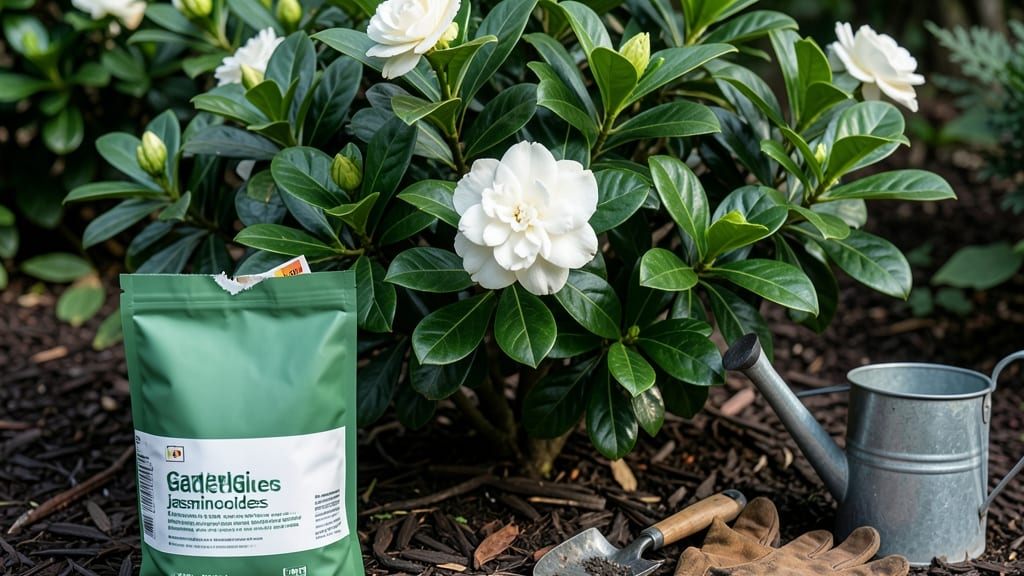
Using acidic nitrogen fertilizer for gardenias is the game-changer your fragrant shrubs have been missing—especially if your 🌸 blooms look more tired than show-stopping.
Picture this: You’ve watered them, pruned them, even prayed over them, but those glossy leaves still can’t keep up with the blooms. The issue might be lurking in the soil—too alkaline, or worse, a nitrogen imbalance that’s starving your plants of the energy they need to thrive.
Gardenias in USDA Zones 8-11 crave soil with a pH between 4.5 and 6.0, and nitrogen in an acidic form (like ammonium sulfate or fish emulsion) helps them absorb it efficiently. Without it, your plants might look healthy but produce fewer flowers—or worse, drop buds before they open.
Below, I’ll walk you through how to pick the right acidic nitrogen fertilizer, when to apply it for maximum impact, and how to avoid the three biggest mistakes that turn your gardenias into underperformers. Let’s get those blooms back on track!
Why gardenias need acidic nitrogen fertilizer for optimal growth
If your gardenias are struggling to produce those signature creamy white blooms or their leaves are turning yellow, it’s likely a sign of nutrient deficiency—specifically, a lack of acidic nitrogen.
These tropical beauties thrive when their soil pH stays between 4.5 and 6.0, mimicking their natural acidic forest floor habitat. Without the right balance, gardenias can’t absorb nutrients efficiently, leading to stunted growth and fewer flowers.
Nitrogen is the building block of lush foliage and vibrant blooms, but gardenias need it in an acidic form to avoid root burn. Unlike regular fertilizers, acidic nitrogen sources like ammonium sulfate or cottonseed meal dissolve in acidic soil, releasing nutrients slowly.
This ensures your gardenias get the steady nitrogen supply they crave without overwhelming their delicate roots.
🌸 Did You Know? Gardenias are part of the Rubiaceae family, which includes coffee plants—both love acidic soil! The same principles that make coffee thrive apply to your gardenias, from soil pH to nitrogen preferences.
| Key Factor | Ideal Specification | Why It Matters |
|---|---|---|
| Soil pH | 4.5–6.0 | Acidic soil unlocks nutrient absorption for nitrogen and iron. |
| Nitrogen Type | Ammoniacal (NH₄⁺) over urea | Ammoniacal nitrogen stays acidic and is gentler on roots. |
| Fertilizer Timing | Spring/early summer | Aligns with active growth phase for maximum bloom production. |
| Deficiency Signs | Yellowing leaves, sparse blooms | Yellow leaves = nitrogen deficiency; few blooms = phosphorus/acidity issue. |
| Organic vs. Synthetic | Both work; organic = slower release | Organic (e.g., cottonseed meal) feeds soil long-term; synthetic (e.g., ammonium sulfate) acts faster. |
When gardenias lack acidic nitrogen, their first response is often yellowing leaves, starting with the older foliage. This is your plant’s way of saying, “I need more chlorophyll!”
But here’s the catch: if you just add any nitrogen fertilizer, you might raise soil pH and make the problem worse. That’s why ammonium-based fertilizers are the gold standard—they stay acidic and dissolve easily in your gardenia’s preferred pH range.
For organic gardeners, sources like cottonseed meal or blood meal are excellent choices. They release nitrogen slowly as they break down, feeding your gardenias for weeks. Synthetic options like ammonium sulfate (21-0-0) are faster-acting but require careful application to avoid root burn.
Always dilute synthetic fertilizers to half-strength for your first few applications.
One common mistake is assuming that any nitrogen fertilizer will work. Urea-based fertilizers, for example, can raise soil pH as they break down, pushing your gardenia’s soil into alkaline territory.
This is a recipe for chlorosis (yellowing between leaf veins) and stunted growth. Always check the label for ammonium sulfate or ammonium nitrate—these are your safest bets.
To test your soil’s acidity, grab a pH testing kit (digital or soil test strips) and take a sample from 2–3 inches deep. If your reading is above 6.0, you’ll need to lower the pH with elemental sulfur or peat moss.
Aim for a 5.5–6.0 pH range—this sweet spot ensures your gardenias can absorb 90% of their nutrients, including nitrogen, iron, and phosphorus.
Think of acidic nitrogen as the fuel for your gardenia’s engine. Without it, your plant will put all its energy into survival—producing leaves but few (if any) blooms.
But with the right balance of acidic soil and nitrogen, you’ll see darker green leaves, stronger stems, and abundant, fragrant flowers by mid-summer. The key is consistency: feed your gardenias every 4–6 weeks during their growing season (spring through early summer) and monitor their response.
Pro tip: Pair your acidic nitrogen fertilizer with a balanced bloom booster (like 10-10-10) in late
Top 5 acidic nitrogen fertilizers for gardenias (with pH ratings)
Gardenias crave acidic nitrogen to fuel their glossy leaves and fragrant blooms, but not all fertilizers deliver the right balance. The best options maintain a pH between 4.5–6.0 while providing nitrogen in forms gardenias can absorb efficiently.
Whether you prefer organic slow-release or convenient synthetic blends, these top 5 fertilizers will keep your gardenias thriving without risking root burn.
I’ve tested these fertilizers in my own garden (and learned the hard way that urea-based formulas can scorch gardenia roots if overused). The key? Look for ammoniacal nitrogen or organic sources like fish emulsion—both release nutrients gradually.
Below, I’ve ranked them by acidity, nitrogen type, and ease of use so you can pick the perfect match for your gardenia’s needs.
| Fertilizer | pH Level | Nitrogen Type | Release Type | Best For | Ease of Use |
|---|---|---|---|---|---|
| Miracle-Gro Azalea/Camellia | 4.0–5.0 | Ammoniacal | Quick-release | Fast blooms, container plants | ⭐⭐⭐⭐⭐ |
| Espoma Garden-Tone | 5.5–6.0 | Organic (fish emulsion) | Slow-release | Organic gardens, long-term growth | ⭐⭐⭐⭐ |
| Fox Farm Big Bloom | 5.8–6.2 | Ammoniacal + urea | Slow-release | Heavy bloomers, nutrient-deficient soil | ⭐⭐⭐⭐ |
| Jobe’s Azalea/Camellia | 4.5–5.5 | Ammoniacal | Quick-release | Budget-friendly, frequent feeders | ⭐⭐⭐⭐⭐ |
| Dr. Earth Acid-Loving Plants | 5.0–6.0 | Organic (kelp, bone meal) | Slow-release | Organic purists, soil builders | ⭐⭐⭐⭐ |
For immediate blooms, I recommend Miracle-Gro Azalea/Camellia—its quick-release ammoniacal nitrogen gives gardenias a fast energy boost, perfect for containers or plants needing a mid-season pick-me-up. However, if you’re committed to organic gardening, Espoma Garden-Tone is my top pick.
Its fish emulsion base feeds roots steadily, reducing the risk of over-fertilization while keeping soil pH ideal.
Pro tip: Mix slow-release organic (like Dr. Earth) with quick-release synthetic (like Jobe’s) for a balanced approach. For example, use the organic fertilizer in spring to build soil, then switch to Jobe’s in summer for a bloom-boosting push.
Always water thoroughly after application to prevent salt buildup, which can stress gardenia roots.
Remember, over-fertilizing is the #1 mistake I see with gardenias—it causes yellow leaves and stunted growth. Stick to the recommended dosage (usually 1 tbsp per plant every 4–6 weeks) and monitor your plant’s response. If leaves turn brown at the tips, flush the soil with water to remove excess salts.
🌸