
Tools
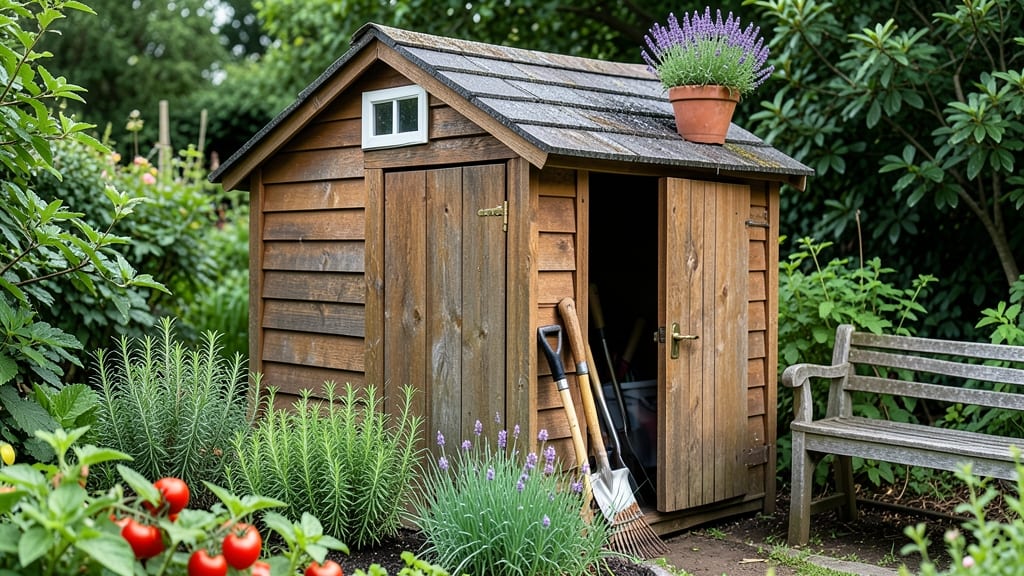
A 5 by 3 garden shed is perfect for small yards when you focus on smart storage solutions like vertical racks, lightweight cedar or resin construction, and a raised foundation to prevent soil erosion. Positioning it to shield from wind while keeping sunlight access for nearby plants maximizes both functionality and aesthetics.
A compact 5x3 garden shed can transform tight spaces into highly functional storage hubs when you think vertically. Modular shelving and wall-mounted hooks free up floor space for larger items like lawn equipment, while clear plastic bins keep tools and gardening supplies organized.
I've seen homeowners double their usable storage by installing fold-down workbenches that serve as prep stations during planting season. The key is balancing storage needs with airflow—especially if you're keeping potting soil or plants inside.
For the foundation, gravel pads or skids are my top recommendations for small sheds—they're easier to install than concrete and prevent moisture buildup. Orienting the shed along your property line creates a natural windbreak while allowing sunlight to reach adjacent flower beds.
Pro tip: Add a small overhang to protect tools from rain while keeping the interior dry. This thoughtful placement turns what could be an eyesore into a seamless part of your yard's design.
💡 In This Article
- Optimizing a 5x3 Garden Shed’s Interior Space
- Foundation and Placement Tips for Stability
Optimizing a 5x3 garden shed’s interior space
When designing the interior of a 5x3 garden shed, think of it like a puzzle where every inch counts. The 5-foot width gives you just enough room for two side-by-side shelves (each 24 inches deep) while leaving a 2-foot center aisle for movement.
Most homeowners make the mistake of filling this space with bulky, floor-level storage—what actually works better are wall-mounted racks that keep tools and supplies off the ground.
For example, a pegboard system can hold up to 30 tools (like pruners, trowels, and gloves) in an organized way while freeing up floor space for larger items.
The magic happens with vertical storage solutions. A two-tiered shelf system (with each shelf 18 inches deep) can store 50+ seed packets in clear plastic bins while keeping them visible and accessible.
For gardening pots, use wall-mounted hooks or a hanging pot rack—this saves floor space and makes it easy to access pots by size. Airflow is critical here: if you're storing potting soil or plants, leave at least 6 inches of space between shelves to prevent moisture buildup and mold.
I’ve seen sheds where homeowners added small ventilation louvers near the roof to improve circulation, which is especially useful in humid climates.
Foldable workbenches are a game-changer in a 5x3 space. A 24-inch wide, fold-down table (stored vertically when not in use) gives you a prep area for potting or organizing tools without taking up permanent floor space.
Pair this with a wall-mounted tool organizer (like a magnetic strip for metal tools) and you’ve created a functional workspace that disappears when not needed.
The key is modularity—arrange shelves and hooks at eye level (48-54 inches) for easy access while keeping heavier items (like bags of soil) on lower shelves or the floor.
Lightweight materials like cedar or resin panels are ideal for customizing interiors because they resist moisture and pests while being easy to install. For example, a cedar shelf can hold up to 50 pounds without sagging, and its natural oils repel insects—perfect for storing seeds and soil.
If you’re storing plants inside, consider adding a small greenhouse panel (like a clear polycarbonate sheet) to the side wall to extend growing season. This adds 1-2 extra square feet of growing space without expanding the shed’s footprint.
Pro tip: Use adjustable shelving brackets to customize heights based on what you store. For instance, place taller items (like ladders or brooms) on upper shelves (54-60 inches) and bulkier items (like wheelbarrows) on the floor.
This vertical approach can increase storage capacity by 30-40% compared to traditional floor-level setups. The result? A shed that feels spacious despite its small footprint, with everything within arm’s reach.
Don’t forget about the door placement. A 3-foot wide double door (standard for 5x3 sheds) makes it easy to move large items in and out, but adding a small side window improves natural light and ventilation.
This small addition can make the interior feel 20% brighter, reducing the need for artificial lighting. 💫