
Container Gardens
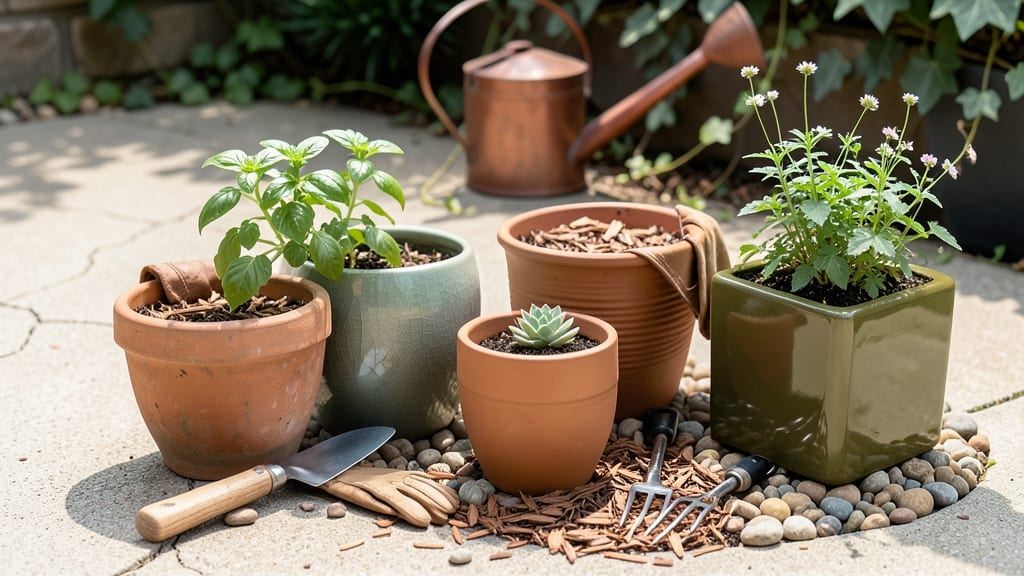
Using clay garden pots 🏺 transforms your outdoor space with timeless style, but their porous nature can also turn them into cracked relics if you don’t know the secrets to keeping them intact.
Picture this: You’ve spent hours arranging your dream terracotta planters, only to find them splitting down the middle after a single freeze-thaw cycle. That heartbreak is avoidable with the right prep and care—no fancy tools or expensive upgrades required.
Clay pots breathe better than plastic, wicking moisture away from roots, but that same breathability makes them vulnerable to temperature swings and uneven drying. The key lies in gradual acclimation, smart plant choices, and a few simple maintenance tweaks that add years to their lifespan.
In this guide, I’ll walk you through five pro tips to prevent cracking, from selecting the right clay type to winterizing your pots—so your containers stay sturdy and your garden stays beautiful for seasons to come.
Why clay garden pots crack & how to choose the right type
Clay garden pots are beloved for their natural beauty and breathability, but their porous nature makes them prone to cracking under the wrong conditions. The primary culprits are rapid temperature swings and uneven moisture absorption, which create internal stress.
When water evaporates quickly from the pot's surface but remains trapped inside, the clay expands unevenly, leading to those frustrating cracks that ruin your gardening plans.
Not all clay pots behave the same way. The type of clay used—whether terracotta or stoneware—plays a huge role in durability. Terracotta, the classic orange clay, is porous and dries out faster, making it ideal for Mediterranean climates but risky in freezing temperatures.
Stoneware, on the other hand, is fired at higher temperatures, creating a denser, less porous material that resists cracking better in extreme conditions.
Your local climate should dictate your pot choice. In hot, dry regions, terracotta’s breathability prevents root rot, but in cold or humid areas, stoneware’s durability wins. Even the size and shape of the pot matter—thicker walls and wider bases distribute stress more evenly, reducing crack risks.
Let’s break down the key differences between terracotta and stoneware clay pots to help you make the best choice for your garden.
If you live in a freeze-thaw climate, stoneware is your best bet—its dense structure handles temperature fluctuations without cracking. For arid regions, terracotta’s breathability prevents root rot in drought-tolerant plants like lavender or rosemary.
Even the glaze finish matters: glazed stoneware retains moisture better, while unglazed terracotta encourages faster evaporation.
Another factor to consider is the pot’s thickness. Thicker walls distribute stress more evenly, reducing crack risks. Look for pots with 1-inch-thick walls or more for added durability. Also, avoid placing pots directly on concrete or asphalt, as these materials conduct heat unevenly, increasing stress on the clay.
For urban balconies or rooftop gardens, where wind and temperature shifts are extreme, stoneware’s durability gives it the edge. However, if you’re growing heat-loving herbs like basil or oregano, terracotta’s quick-drying properties create the perfect microclimate.
The key is matching your pot to your plant’s needs and local conditions.
Pro tip: If you’re unsure which type to choose, start with a small terracotta pot for annuals and a larger stoneware pot for perennials. This way, you can test both materials in your specific climate without overcommitting. Over time, you’ll learn which pots perform best in your garden’s unique conditions.
Remember, even the best clay pots will crack if exposed to sudden temperature changes. Always move pots indoors or into a sheltered area before frost arrives. With the right choice and care, your clay garden pots can last for years, adding timeless charm to your outdoor space.
5 Pro tips to prevent cracking in clay pots (before & after planting)
Clay pots are beautiful but notoriously fragile when exposed to sudden changes. The key to preventing cracks lies in preventative care—both before and after planting. I’ve learned that gradual acclimation and moisture management are game-changers for extending their lifespan.
Let’s dive into my top strategies to keep your clay pots intact for years.
Many gardeners assume clay pots are indestructible, but their porous nature makes them vulnerable to temperature shifts and moisture extremes. I’ve cracked pots myself by ignoring these risks—don’t make the same mistake!
The good news? With a few simple adjustments, you can minimize stress and preserve your investment. Here’s how I do it.
- 1 Acclimate pots gradually to outdoor conditions. Move them indoors to outdoors over 3-5 days to avoid thermal shock. Sudden exposure to sun or cold can cause immediate cracking.
- 2 Water consistently—never let soil dry out completely. Clay pots absorb moisture quickly; deep watering every 2-3 days keeps them stable. Overwatering is worse than underwatering for cracking risks.
- 3 Winterize pots by storing them in a sheltered, dry place before frost. Empty pots or fill with dry leaves to prevent freeze-thaw cycles, which cause cracks.
- 4 Choose plants wisely. Opt for drought-tolerant varieties like lavender or rosemary—they thrive in clay pots without demanding extra water. Avoid heavy, thirsty plants like ferns.
- 5 Use pot feet or saucers to elevate pots off cold, damp surfaces. This reduces moisture absorption from below, which weakens the clay over time.
One of my biggest lessons came during a summer heatwave—I left a newly planted basil pot in full sun without acclimating it first. Within days, the pot cracked along the sides.
Now, I always test pots in shade for 24 hours before moving them to sunny spots. This small step has saved me from replacing multiple pots.
For ongoing care, I monitor soil moisture closely, especially in hot, dry climates. Clay pots dry out faster than plastic, so I water in the early morning to prevent rapid evaporation.
Mulching around the base also helps regulate temperature fluctuations. These habits have kept my clay pots crack-free for over 5 years.
If you’re new to clay pots, start with smaller sizes—they’re easier to manage and less prone to cracking. Larger pots require more water and are heavier, increasing stress on the clay.
Pair them with lightweight potting mixes to reduce weight-related cracks. With these tips, your clay pots will stay beautiful and functional for seasons to come. 🌱