
Container Gardens
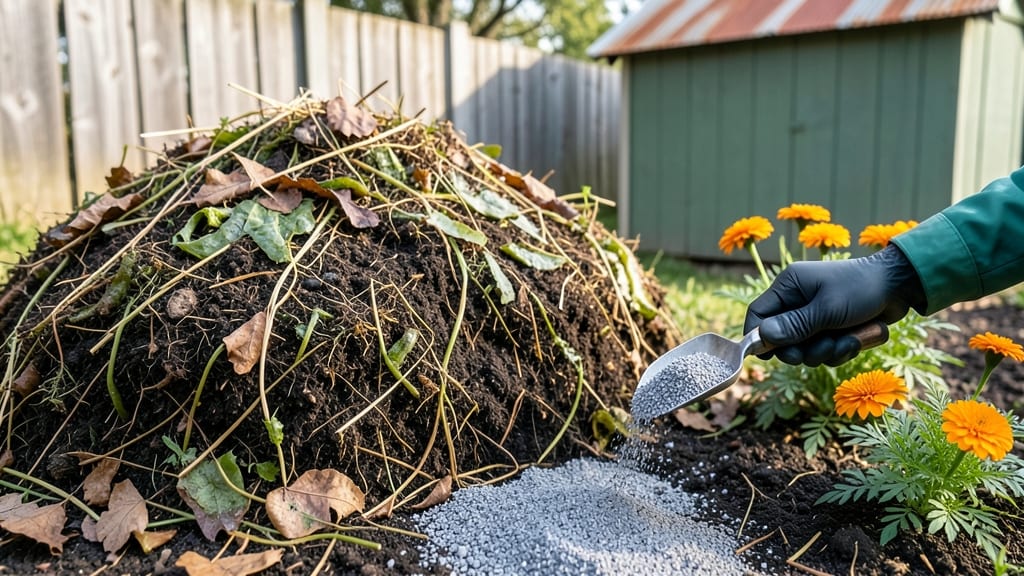
Wood ash in garden can improve soil pH and add potassium, but it should be used carefully to prevent over-alkalizing or damaging acid-loving plants like blueberries or azaleas. Always test soil pH first and use only untreated hardwood ash from sources like oak or maple.
Wood ash works as a natural soil amendment because it contains alkaline compounds that neutralize acidic soils, creating a more balanced pH for many vegetables and flowers. 🌱 The potassium boost also supports stronger root development and better flowering, making it ideal for tomatoes, peppers, and leafy greens.
However, too much can create nutrient imbalances or harm plants that thrive in acidic conditions.
For best results, sprinkle a thin layer (1-2 pounds per 100 square feet) around plants that tolerate alkaline soil, then water it in well. Mixing it into compost piles in small amounts can also enhance nutrient content without risking overapplication.
Always avoid using ash from treated wood or softwoods, as these can introduce harmful chemicals.
💡 In This Article
- How Wood Ash Affects Soil Chemistry and Plant Growth
- Safe Application Methods for Wood Ash in Gardens
How wood ash affects soil chemistry and plant growth
Wood ash works by introducing alkaline compounds—primarily potassium carbonate and calcium oxide—that react with acidic soil components like hydrogen ions. When sprinkled on soil, these compounds raise the pH level by neutralizing acidity, creating a more neutral or slightly alkaline environment.
This chemical reaction is similar to how baking soda neutralizes stomach acid, but on a soil-wide scale. The potassium content (typically 3-10% by weight) also dissolves slowly, providing a long-term nutrient boost for plants that prefer slightly alkaline conditions like tomatoes or squash.
The micronutrient profile of wood ash includes calcium (20-40%), magnesium (5-15%), and trace amounts of phosphorus, all of which support cell wall strength and enzyme activity in plants.
However, the real magic happens in the soil microbiome: these minerals act as a buffer, helping maintain stable pH levels that beneficial bacteria and fungi need to thrive.
Too much ash disrupts this balance, creating a harsh environment where helpful microbes struggle to survive, which is why 1-2 pounds per 100 sq. ft. is the safe upper limit.
What most gardeners overlook is how wood ash affects nutrient availability. While it adds potassium, it can also bind with phosphorus in the soil, making it less accessible to plants—a phenomenon called "phosphorus fixation." This is why ash works best in combination with phosphorus-rich amendments like bone meal or compost.
The texture of wood ash (fine, powdery particles) also means it can clump if not mixed properly, potentially creating localized high-pH zones that burn plant roots rather than nourish them.
Consider the visual difference: healthy soil with wood ash incorporated looks darker and crumbles easily when moist, while over-alkalized soil turns lighter and repels water.
The smell changes too—freshly amended soil has a faint mineral aroma, but overdone applications emit a sharp, almost chemical scent that signals distress in the soil ecosystem. This is your cue to back off and let the soil recover.
For plants like blueberries or hydrangeas that crave acidic soil (pH 4.5-5.5), wood ash is a no-go. The ash's alkalinity can push pH levels into the 7.0-8.0 range, creating a hostile environment where these acid-lovers can't access essential nutrients like iron or manganese.
Even a small application can take years to correct through organic matter additions like peat moss or pine needles.
Here's what's actually happening at the molecular level: The calcium and magnesium in wood ash displace hydrogen ions in the soil solution, raising pH. Meanwhile, potassium ions replace sodium in plant cell membranes, improving water uptake and stress resistance.
But when applied excessively, the high salt concentration from these minerals can dehydrate plant roots, causing wilting even when soil appears moist.
The key takeaway? Wood ash is a powerful tool when used judiciously—think of it as a fine-tuning knob for your soil's chemistry rather than a one-size-fits-all solution. Always pair it with soil testing and observe how your plants respond, especially in their first growing season after application. 🌱