
Pests
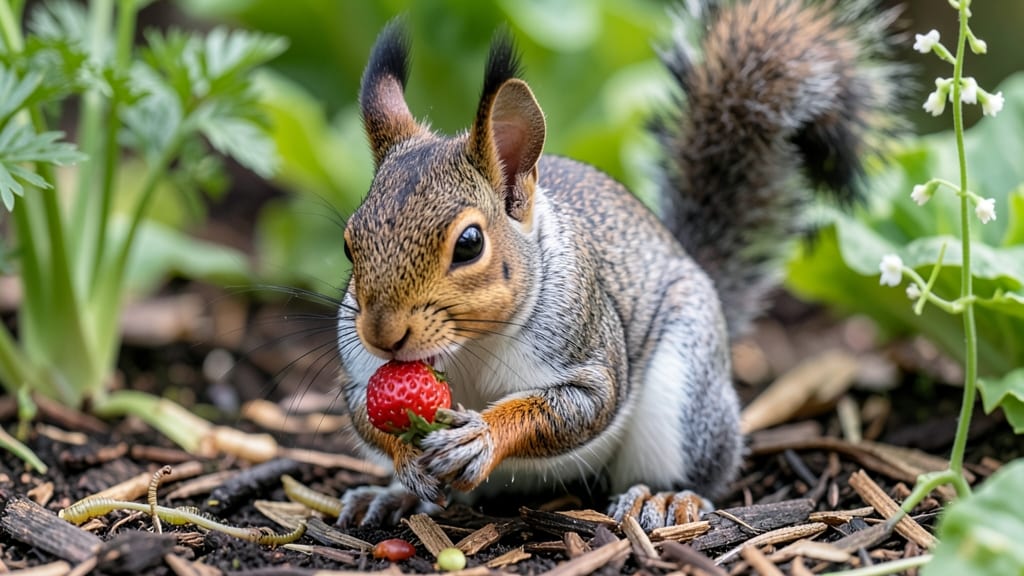
Your garden will be eaten by squirrels, which devour young seedlings, fruits, vegetables, and bulbs like tulips or daffodils to meet their high-protein dietary needs. These persistent foragers can strip an entire planting overnight, leaving your hard work destroyed in hours.
Squirrels aren't just nuisances—they're opportunistic eaters with a serious appetite for fresh, nutrient-rich plant matter. 🌱 They target gardens most aggressively in spring and summer when they're preparing for nesting season or raising young, often focusing on tender shoots and bulbs that are packed with energy.
Even mature plants like corn, beans, and lettuce aren't safe, as squirrels will dig up roots or gnaw through stalks to access hidden treats. The damage goes beyond lost crops, as their digging can uproot seedlings and compact soil, creating long-term problems for your landscape.
Understanding their behavior is the first step to protecting your garden. Squirrels rely on their keen sense of smell and memory to locate food sources, which means they'll return repeatedly to successful feeding spots.
Their destructive habits aren't just about hunger—it's also about preparing for winter food stores. Without intervention, these furry bandits can turn your carefully tended garden into a buffet within days.
💡 In This Article
- Why Squirrels Target Gardens and What They Prefer
- Effective Natural Deterrents to Keep Squirrels Out
Why squirrels target gardens and what they prefer
Squirrels raid gardens primarily because they're opportunistic foragers with a diet that demands high-protein, nutrient-dense foods. During spring and summer, their protein needs skyrocket by up to 40% as they prepare for nesting season or raise young.
This is when they become most destructive, targeting tender new growth that's packed with easily digestible nutrients. 🌱 Their favorite targets include young seedlings (especially leafy greens), bulbs like tulips and daffodils, and fruits like strawberries and corn—all of which provide the perfect calorie-to-effort ratio.
The damage extends beyond just eating plants. Squirrels will dig up entire root systems to access bulbs, creating unsightly holes that can measure up to 6 inches deep and 4 inches wide. Their digging compacts soil, disrupts drainage, and can even uproot young plants entirely.
What's particularly frustrating is how they focus on the most vulnerable parts of your garden—like the first leaves of seedlings—which gives them easy access to nutrients without expending much energy. This behavior is especially pronounced in urban areas where natural food sources are scarce.
What makes squirrels such effective garden raiders is their exceptional memory and problem-solving skills. Studies show they can remember 3,000+ food locations and will return to successful feeding spots repeatedly.
Their keen sense of smell (which is 10,000 times more sensitive than humans') allows them to detect even buried bulbs or hidden seeds.
This is why a single successful raid can turn into a regular pattern of destruction if not addressed early. 🐿️ The key to protection lies in understanding these behaviors and implementing deterrents that disrupt their foraging patterns before they become established.
Seasonal hunger plays a major role too. In late summer and fall, squirrels prepare for winter by caching food, which means they'll strip gardens of everything edible to create emergency stashes. They'll even steal from bird feeders or raid compost piles if garden plants aren't available.
This explains why some gardeners notice increased damage during these periods—it's not just about immediate hunger, but about strategic food storage that can last through harsh winters.
Interestingly, squirrels have different preferences based on species. Eastern gray squirrels, for example, are particularly fond of nuts and seeds, while fox squirrels show a stronger preference for fruits and vegetables. This means your deterrent strategy should account for the specific squirrel species in your area.
The good news is that most squirrels are deterred by strong smells, physical barriers, or the perception of danger—making natural repellents particularly effective when applied correctly.
One often-overlooked aspect is how squirrels damage plants indirectly. They'll gnaw through stems to access inner tissues, creating wounds that invite disease or pests. Their digging also creates pathways for other animals (like moles or voles) to access your garden.
This makes prevention not just about protecting the plants themselves, but also about maintaining the overall health of your soil and landscape. 🌿 The most successful gardeners understand that squirrel control is an ongoing process that requires both immediate action and long-term habitat management.