
Vegetables
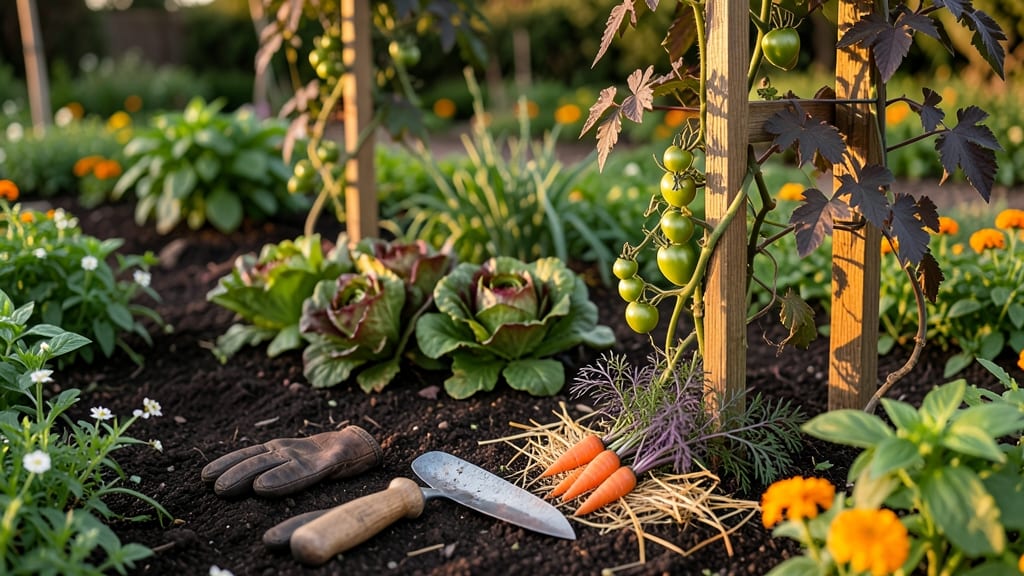
Humans grow gardens primarily to boost biodiversity, which creates healthier soil through increased microbial activity and nutrient cycling while reducing pests naturally through ecological balance and smart plant pairings.
Gardening isn't just about growing food—it's a way to create thriving ecosystems right in your backyard. 🌱 When you plant a variety of species, you invite beneficial insects, microbes, and fungi that break down organic matter and release nutrients back into the soil.
This natural process improves soil structure, helps retain moisture, and makes plants more resilient to diseases. Plus, diverse gardens attract pollinators like bees and butterflies, which boost overall plant health and productivity.
One of the biggest perks is natural pest control. Many plants release compounds that repel harmful insects, while others attract predators like ladybugs that eat pests. For example, planting marigolds near tomatoes deters nematodes, and basil keeps flies away from peppers.
This approach reduces the need for chemical sprays while keeping your garden balanced and vibrant.
💡 In This Article
- How Biodiversity Strengthens Garden Soil Ecosystems
- Natural Pest Control Through Companion Planting Strategies
How biodiversity strengthens garden soil ecosystems
At the heart of thriving gardens lies a hidden world of microorganisms and fungi working tirelessly beneath the soil surface. When you plant diverse species, you create a dynamic ecosystem where mycorrhizal fungi—thread-like structures—attach to plant roots and form symbiotic relationships.
These fungi extend the root system's reach by up to 100 times, accessing water and nutrients that individual plants couldn't access alone.
Studies show that gardens with 10+ plant species per square meter can increase soil microbial biomass by 30-50% compared to monoculture plots, leading to richer, more fertile soil.
The magic happens through nutrient cycling. Decomposer organisms like bacteria and fungi break down organic matter, converting complex compounds into plant-available forms. For example, a single gram of healthy garden soil can contain 1 billion bacteria and 100 miles of fungal hyphae.
This microbial network also improves soil structure by binding particles together, creating pore spaces that enhance water retention. In drought-prone areas, biodiverse gardens can retain 20-30% more moisture than simplified plantings, thanks to this intricate soil architecture.
Diversity also creates a buffer against soil-borne diseases. Monocultures—like vast fields of corn—leave plants vulnerable because pathogens can spread rapidly through identical hosts. In contrast, a garden with varied crops disrupts disease cycles.
For instance, planting garlic among roses not only repels pests but also introduces different root exudates that suppress fungal pathogens like black spot. This ecological insurance ensures your plants stay healthier with less intervention.
Consider the sensory experience: A biodiverse garden smells different at different times of day. In the morning, you might detect earthy notes from decomposing leaves, while afternoon brings citrusy scents from herbs like thyme. These aromas signal active microbial processes at work, breaking down organic matter and releasing nutrients.
The texture of the soil itself changes—looser, darker, and crumbly—because the microbial activity improves aggregation, making it easier to work with and plant in.
One often-overlooked benefit is carbon sequestration. Diverse plant roots channel more carbon into the soil through root exudates, which microbes convert into stable organic matter.
Research from the Rodale Institute found that biodiverse systems can sequester up to 500 kg of carbon per hectare annually, helping combat climate change while improving your garden's productivity.
For practical application, aim for a mix of deep-rooted plants (like dill), shallow-rooted varieties (such as lettuce), and nitrogen-fixers (such as clover). This layered approach mimics natural ecosystems, ensuring no two plants compete for the same resources.
The result? A self-sustaining garden that requires fewer amendments and produces more abundant harvests year after year. 🌱