
Pruning
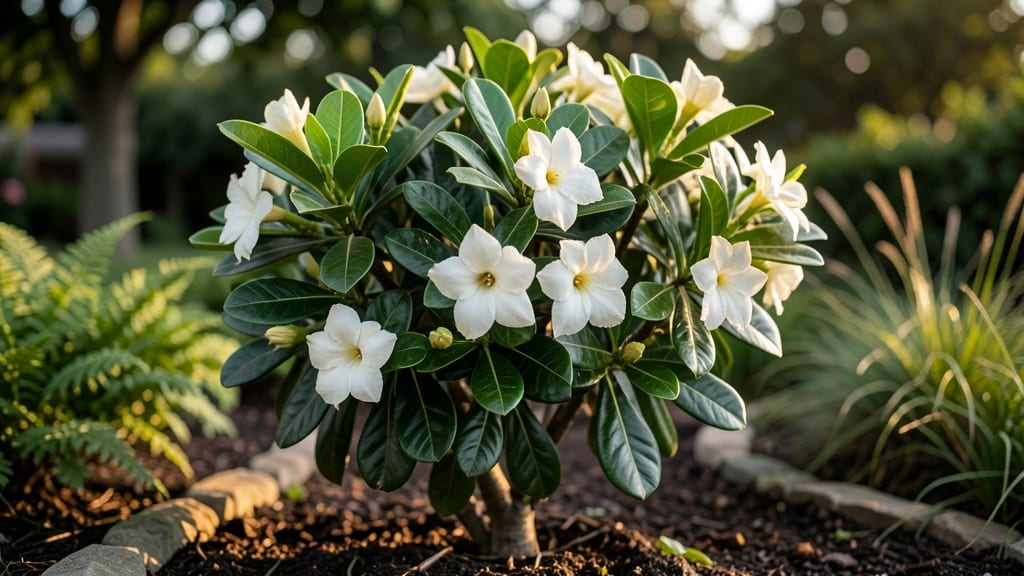
A gardenia tree height can reach anywhere from 5 to 15 feet depending on the variety and care, making it a stunning but sometimes overwhelming addition to your garden.
If you’re dreaming of fragrant white blooms but wondering how tall your gardenia tree will grow—and how to control its size—you’re in the right place. These beauties are stunning but can become unruly if left unchecked, making height management a critical skill for every gardener.
Understanding the factors that influence growth—like sunlight, soil, and pruning—is the key to keeping your 🌸 gardenia tree at your desired height. Whether you want a compact shrub or a towering specimen, the right approach makes all the difference.
In this guide, you’ll learn how fast gardenias grow, the best pruning techniques, and creative ways to manage their height without sacrificing those intoxicating blooms. Let’s get started!

How tall does a gardenia tree grow naturally and what affects its height?
If you’ve ever admired a gardenia’s intoxicating fragrance and lush foliage, you’ve likely wondered: how tall will my gardenia tree grow? The answer depends on several factors, including the specific gardenia variety and growing conditions.
Most gardenias reach a mature height of 5 to 15 feet, but with proper care, you can influence their size—whether you want a compact shrub or a towering specimen. Let’s explore what determines their height and how to manage it.
Understanding your gardenia’s growth potential starts with recognizing its natural growth rate. On average, gardenias grow 6 to 12 inches per year, meaning it could take 5 to 10 years to reach full maturity.
However, this rate can vary based on environmental factors like sunlight exposure, soil quality, and climate conditions. For example, gardenias thriving in USDA zones 9–11 will grow faster than those in cooler climates.
A critical factor influencing height is the gardenia variety you choose. Some, like Gardenia jasminoides, are naturally smaller, while others, such as Gardenia augusta, can grow significantly taller. Even within the same species, dwarf cultivars are bred to stay compact, making them ideal for smaller gardens or containers.
Below, we’ll compare common varieties to help you pick the perfect fit for your space.
Sunlight plays a pivotal role in determining your gardenia’s height. These plants thrive in partial shade, particularly in hot climates, where afternoon shade prevents stress and promotes bushier growth. If planted in full sun, gardenias may grow taller but produce fewer blooms.
Conversely, too little light can stunt growth entirely. Aim for 4–6 hours of morning sun to strike the right balance.
Soil quality is another game-changer. Gardenias demand well-draining, acidic soil with a pH between 5.0 and 6.5. Poor soil conditions—like alkaline or compacted earth—can slow growth and weaken the plant, making it more susceptible to pests and diseases.
Amend your soil with peat moss or compost to create an ideal environment. Regular mulching also helps retain moisture and nutrients, encouraging healthier, more vigorous growth.
Climate is equally important. Gardenias are tropical plants at heart, so they flourish in USDA zones 9–11, where temperatures stay mild year-round. In cooler zones (like 8 or below), gardenias may grow more slowly or require container gardening to protect roots from frost.
If you live in a colder region, choose hardy varieties like 'Kleim’s Hardy' or grow your gardenia in a pot that can be moved indoors during winter.
Pruning is the most effective way to control your gardenia’s height. By pruning in late winter or early spring, you encourage bushier growth and prevent the plant from becoming too leggy. Focus on removing overcrowded or dead branches and shaping the plant to your desired height.
Avoid heavy pruning in fall, as this can stress the plant before winter dormancy. With consistent pruning, you can keep even standard varieties at a manageable height.
Finally, don’t overlook the role of fertilization and watering. Gardenias need regular feeding with acidic fertilizer (like a 10-10-10 blend) during the growing season to support robust growth. Pair this with consistent watering, ensuring the soil stays moist but not waterlogged. Overwatering can lead
Pruning tips to control gardenia tree height and shape it properly
Pruning your gardenia tree isn’t just about keeping it neat—it’s the secret to controlling its height and encouraging lush, fragrant blooms. Without proper pruning, your gardenia can grow uncontrollably tall, reaching up to 15 feet or more, which may overwhelm your landscape.
The key is timing, technique, and knowing when to stop. Let’s dive into how to shape your gardenia like a pro!
Timing is everything when pruning gardenias. The best time to prune is in late winter or early spring, just before new growth begins. This ensures you’re not cutting back blooms or disrupting the plant’s natural cycle.
Avoid pruning in fall or summer, as this can stress the plant and reduce next year’s flowers. Think of it as giving your gardenia a fresh start for the growing season.
- Step 1: Gather your tools—sterilized pruning shears, sharp bypass pruners, and gloves (gardenia leaves can irritate skin). Always use clean tools to prevent disease.
- Step 2: Identify dead or diseased branches first. Cut these back to healthy wood at a 45-degree angle just above a leaf node or bud. This keeps your gardenia healthy and encourages new growth.
- Step 3: For a bushier shape, pinch back new growth tips by 1/3. This stimulates branching and creates a fuller, more compact plant. Focus on the outer edges to fill out the canopy.
- Step 4: To control height, selectively prune the tallest branches. Cut just above a leaf node or outward-facing bud to promote growth in the right direction. Avoid cutting into old wood, as gardenias struggle to regrow from mature branches.
- Step 5: Shape the tree by thinning out crowded branches. Remove any that cross or rub against each other to improve airflow and reduce disease risk. Aim for an open, airy structure that lets sunlight reach the center.
- Step 6: After pruning, apply a balanced fertilizer (like 10-10-10) to support new growth. Water deeply to help the plant recover, and mulch around the base to retain moisture and protect roots.
One of the most common mistakes gardeners make is over-pruning. Cutting back too aggressively can shock your gardenia and reduce next year’s blooms. Aim to remove no more than 25-30% of the plant’s foliage in a single session.
Also, avoid cutting into old wood—gardenias bloom on new growth, so pruning back to mature branches can leave you with a leafless skeleton.
If you want your gardenia to stay shorter and bushier, focus on pinching back new growth regularly throughout the growing season. This encourages the plant to branch out instead of reaching upward.
For a taller, more upright shape, prune selectively by removing lower branches and letting the top grow longer. Just remember: gardenias respond best to gentle, gradual pruning rather than drastic cuts.
After pruning, keep an eye on your gardenia’s response. Healthy new growth should appear within 4-6 weeks, and you’ll start seeing more blooms in the following season. If you notice yellowing leaves or sparse flowering, your pruning might have been too aggressive.
Adjust your approach next time and give your gardenia the care it deserves to thrive.
With the right techniques, you can shape your gardenia into a showstopping focal point while keeping it at your desired height. Whether you’re aiming for a compact hedge or a tall specimen tree, pruning is your best tool for control. Happy pruning—and enjoy those intoxicating blooms! 🌸