
How To
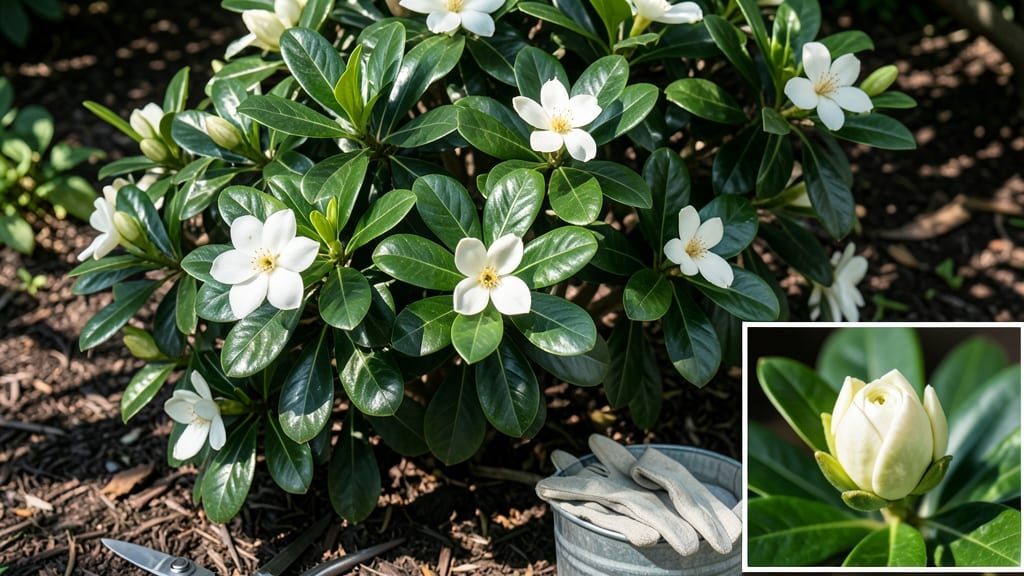
Trimming gardenia bushes at the right time ensures stunning blooms and healthy growth—spring is the best window, just as new growth begins.
Struggling to keep your gardenia bushes blooming beautifully? Timing your pruning could be the secret weapon in your gardening arsenal—get it wrong, and you risk sacrificing next year’s stunning flowers.
In USDA Zone 6a, the ideal moment is late winter to early spring, right after the last frost (around April 15). This timing aligns with the plant’s natural cycle, encouraging fresh, vibrant blooms while avoiding damage to dormant buds.
Below, I’ll walk you through the exact steps, from choosing the right tools to shaping your gardenia 🌸 for maximum airflow and blooms—plus what to do (and avoid) after pruning to keep your bushes thriving.
Best time to prune gardenia bushes for maximum blooms
If your gardenia bushes are struggling to produce those fragrant, creamy-white blooms you love, the issue might be as simple as pruning at the wrong time. Gardenias thrive when pruned during their dormant season, but many gardeners accidentally cut back too late—sacrificing next year’s flowers.
The key is understanding late winter to early spring is the magic window for stimulating vibrant growth without risking bud loss.
This timing aligns with nature’s cycle: gardenias bloom on new wood, meaning fresh growth from pruning will produce next season’s flowers. Pruning too late in spring or summer can remove current season’s buds, leaving you with sparse blooms.
Let’s break down the optimal pruning window and how to adjust for your climate zone to ensure your gardenias put on their best show.
For gardeners in USDA Zones 8-10, late winter (January-February) is ideal because gardenias stay semi-dormant. In colder zones (6-7), wait until early spring after the last frost—typically March—to avoid damaging tender new growth.
Coastal areas with mild winters can prune slightly earlier, while inland regions should delay until April to prevent frost damage.
The 30-day rule is critical: prune at least 4 weeks before your area’s average last frost date. This gives gardenias time to knit wounds and prepare for spring growth.
For example, if your last frost is April 15, prune by March 15. Use a frost calendar for your region to pinpoint the exact window.
Why does timing matter so much? Gardenias produce flowers on current season’s growth, so pruning too late removes potential blooms. Late-spring pruning (after May) can leave your bush looking shapely but flowerless.
The goal is to encourage new wood that will bear next year’s blossoms while maintaining the bush’s structure.
Regional adjustments are key: in humid climates, prune during dry periods to prevent fungal infections. In arid areas, water deeply before and after pruning to reduce stress. Always use sterilized tools to avoid spreading disease, especially in warm, moist conditions where gardenias thrive but pathogens flourish.
Pro tip: If your gardenia hasn’t bloomed well this year, light pruning in early fall (September-October) can stimulate next spring’s flowers—but never prune heavily after July. This fall touch-up removes only dead wood and encourages a moderate flush of growth before winter dormancy.
After pruning, give your gardenia a balanced fertilizer (10-10-10) to support new growth. Water deeply but avoid soggy soil, which can rot pruning wounds. Mulch around the base to retain moisture and regulate soil temperature, creating ideal conditions for healthy regrowth and abundant blooms.
Remember, gardenias reward patience. A well-timed prune in late winter or early spring isn’t just about shaping your bush—it’s about setting the stage for next year’s spectacular display. With the right timing and care, your gardenias will thank you with lush foliage and fragrant blooms that last all summer.
Step-by-step guide to pruning gardenia bushes in spring
Pruning your gardenia bushes in spring isn’t just about keeping them tidy—it’s the key to encouraging lush blooms and preventing disease. The right technique ensures your shrubs stay healthy while avoiding those common pruning mistakes that leave you with sparse flowers.
Let’s dive into the process, starting with the tools you’ll need and the steps to follow for a perfectly shaped gardenia.
Timing is everything when it comes to pruning gardenias. You’ll want to do this after the last frost but before new growth begins, typically in late February to early April in most climates.
This window allows your gardenia to recover and focus its energy on new blooms rather than repairing damaged branches. If you’re in a warmer zone, like USDA Zone 9 or 10, you can prune as early as January.
Clean, sharp bypass pruners for small branches and loppers for thicker stems. Don’t forget rubbing alcohol to sterilize tools and gloves to protect your hands from thorns.
Start by cutting out any brown, mushy, or blackened branches. These won’t recover and can spread disease. Make your cuts just above a leaf node or outward-facing bud to encourage growth.
Thin out overcrowded areas to improve air circulation. Aim for an open, vase-like shape to prevent fungal issues. Avoid cutting more than 1/3 of the bush at once.
If your gardenia is getting too large, shorten leggy stems back to just above a bud. This encourages fuller growth and more blooms. Never cut into old wood—it won’t regrow.
Rake up and dispose of pruned branches to reduce pests. Apply a balanced fertilizer (like 10-10-10) to give your gardenia a nutrient boost for the growing season.
One of the biggest mistakes gardeners make is pruning too late in spring or cutting into old wood. Gardenias bloom on new wood, so pruning after mid-April can reduce next year’s flowers.
Always make cuts at a 45-degree angle just above a bud or leaf node to promote healthy regrowth. If you accidentally over-prune, don’t panic—your gardenia can recover with extra care and consistent watering.
After pruning, keep your gardenia well-watered and mulch around the base to retain moisture. Avoid heavy watering right after pruning, as this can stress the plant. Instead, water deeply once a week to encourage strong root growth.
With the right technique, your gardenia will reward you with abundant, fragrant blooms all season long.
Remember, the goal is to encourage new growth while maintaining the bush’s natural shape. Take your time, and don’t rush—your gardenia will thank you with beautiful, healthy blooms that fill your garden with a sweet, intoxicating scent. Happy pruning! 🌸✂️