
Tools
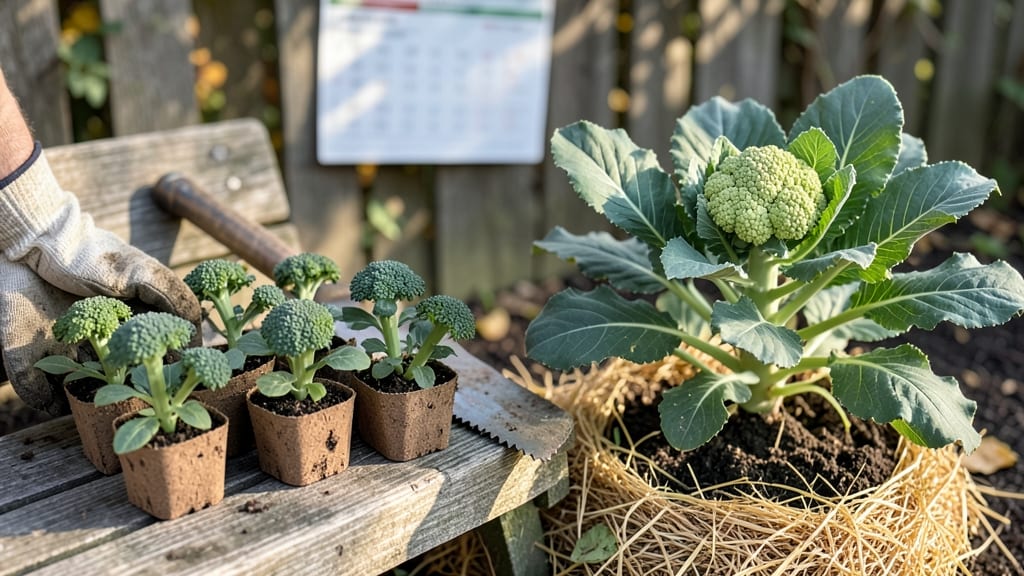
Starting a fall garden at the right time means the difference between a bountiful harvest and wasted effort — and the clock is ticking.
Too early, and your greens will bolt in the heat; too late, and frost will turn your seedlings to mush. I’ve learned that the hard way, watching three batches of kale turn bitter in my first fall garden.
But here’s the good news: with a week-by-week timeline tailored to your zone, you can dodge those mistakes and enjoy fresh salad greens, hearty root crops, and even winter squash well into December.
This isn’t just about picking a random date from a calendar. Soil temperature, frost risk, and crop maturity all play a role — and they vary wildly from Zone 5 to Zone 9.
I’ll walk you through the exact windows for planting everything from fast radishes to slow-maturing Brussels sprouts, so you can start when the conditions are perfect for your location.
By the end, you’ll know not just when to plant, but how to stretch your growing season with simple tricks like row covers and succession planting. No more guesswork — just a foolproof plan to turn your backyard into a fall harvest goldmine.
Fall garden planting timeline by USDA Hardiness zones
Timing your fall garden correctly means the difference between a bountiful harvest and wasted seeds. Cool-season crops like broccoli, kale, and carrots thrive when planted at the right moment—neither too early (risking heat stress) nor too late (facing early frost).
Your USDA Hardiness Zone determines your ideal planting window, with soil temperatures between 45°F and 75°F being ideal for most cool-season crops.
To calculate your exact planting dates, start by finding your first frost date (check the USDA Plant Hardiness Zone Map or local agricultural extension office). Then, work backward based on each crop’s days to maturity. For example, spinach matures in 30-50 days, while broccoli takes 60-90 days.
Planting too early in hot zones (like Zone 9) can cause bolting, while late planting in colder zones (like Zone 4) risks frost damage.
Here’s how to adjust your schedule by zone, with weekly planting windows tailored to your climate. Use this as your guide to avoid common mistakes like planting leafy greens too close to frost or root vegetables when soil is still too warm.
The key to success is balancing soil temperature, frost risk, and crop maturity. For instance, in Zone 5, you’ll want to start kale by mid-August for a harvest before hard frost, while in Zone 8, you can extend planting into October with row covers.
Below, I’ve broken down the exact weeks for each zone, including soil prep tips and frost protection strategies.
🌱
| USDA Zone | First Frost Date | Ideal Soil Temp (°F) | Planting Window (Weeks) | Key Crops to Plant | Frost Protection Tip |
|---|---|---|---|---|---|
| Zones 3-4 | Mid-September to October 15 | 50°F–65°F | Weeks 34–38 (Aug 15–Sept 15) | Broccoli, Kale, Spinach, Carrots | Use row covers after Oct 1 |
| Zones 5-6 | October 1–15 | 55°F–70°F | Weeks 36–40 (Aug 25–Sept 30) | Lettuce, Radishes, Turnips, Peas | Plant cold-hardy varieties |
| Zones 7-8 | November 1–15 | 60°F–75°F | Weeks 40–44 (Sept 30–Oct 20) | Arugula, Swiss Chard, Beets, Green Onions | Extend season with cold frames |
| Zones 9-10 | December 1–January 15 | 65°F–80°F | Weeks 44–48 (Oct 20–Nov 15) | Cabbage, Brussels Sprouts, Collards, Lettuce | Plant succession crops every 2 weeks |
For Zones 3-4, where frost arrives early, focus on fast-maturing crops like radishes (25 days) and bush beans (50 days). Start seeds indoors 6-8 weeks before your average first frost to give seedlings a head start.
In these colder zones, soil temperatures drop quickly, so use a soil thermometer to ensure they’re above 50°F before planting.
In Zones 5-6, you have a slightly longer window, but don’t wait too long—broccoli and cauliflower planted after September 15 may not mature before frost.
Instead, opt for leafy greens like spinach or kale, which tolerate light frosts and even taste sweeter after a freeze. Test your <
Critical fall planting mistakes and how to avoid them
Fall gardening offers a second chance for harvests, but common mistakes can turn your efforts into disappointment. I’ve learned the hard way that skipping soil prep or ignoring frost dates leads to wasted seeds and stunted plants. Even experienced gardeners make these errors—let’s fix them before your fall garden suffers.
One of the biggest blunders is planting too early without checking soil temperatures. Cool-season crops like kale and spinach thrive in 50–60°F soil, but if you sow them when the ground is still warm, they’ll bolt or rot.
Always wait until nighttime temps stay below 75°F—this is non-negotiable for a successful fall garden.
⚠️ callout-warning
Planting 6–8 weeks before your first frost ensures mature harvests. Use this rule:
- Zone 5–7: Start by mid-August for broccoli, late August for lettuce.
- Zone 8–10: Extend until October with row covers.
Miss this window? Try succession planting every 2 weeks for continuous harvests.
Another frequent error is overcrowding seedlings to save space. While it’s tempting to squeeze in extra plants, poor airflow invites disease and weakens growth. Follow spacing guidelines—for example, carrots need 2 inches apart, while cabbage requires 18–24 inches. Thin seedlings early to avoid stunted roots.
Don’t forget about succession planting, a game-changer for fall gardens. Instead of planting everything at once, stagger seeds every 2–3 weeks to ensure a steady harvest. For instance, sow radishes (ready in 25 days) first, followed by lettuce (45 days) and kale (60 days).
This strategy keeps your garden productive until hard frost.
To extend harvests into winter, invest in row covers or cold frames. A simple floating row cover can protect plants from light frosts (28–32°F), while a cold frame adds 10–15°F of warmth.
I’ve kept spinach and garlic growing well into December using these methods—just remove covers during the day to prevent overheating.
Finally, neglecting soil health is a silent killer. Before planting, test your soil’s pH (6.0–7.0 ideal) and amend with compost or aged manure. Fall is the perfect time to build organic matter—microorganisms will break it down over winter, giving your spring garden a head start.
Skip this step, and you’ll struggle with nutrient-deficient plants.
With these fixes, your fall garden will thrive—no more wasted seeds or bolted greens. Start with soil tests, time your plantings, and use protective covers. Your future self (and your dinner table) will thank you! 🌿