
Planting
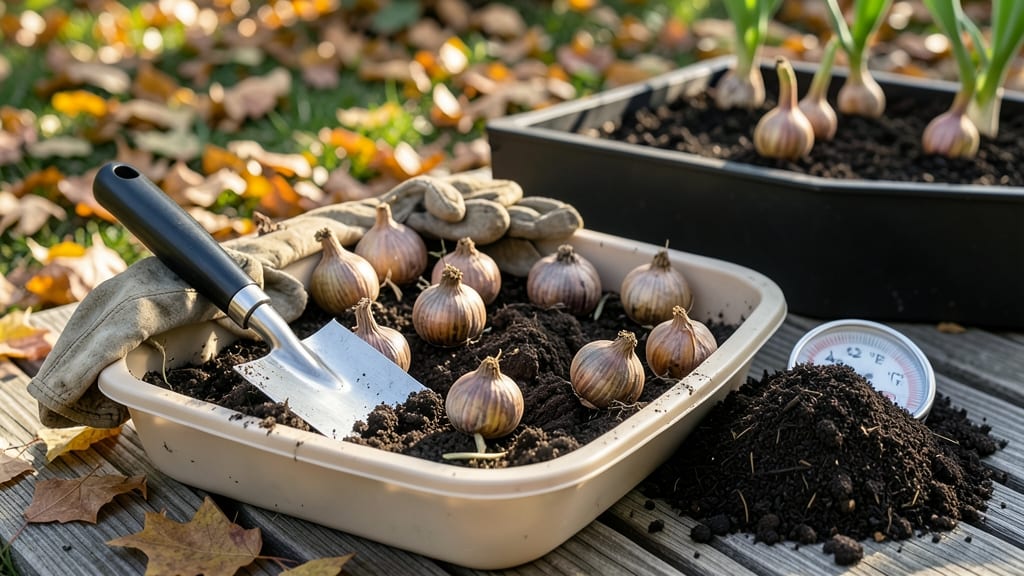
Planting bulbs in the garden at the right time ensures vibrant blooms and strong roots, and timing is everything for a perfect spring display.
Did you know the moon’s phases can dramatically impact the success of your bulb garden? Planting at the wrong time can mean wilted blooms instead of vibrant displays—here’s how to master the perfect timing for planting bulbs this season.
In USDA Zone 6a, fall planting is ideal for most bulbs, about 6-8 weeks before the first frost. This gives roots time to establish before winter, setting the stage for stunning blooms in spring.
From moon phases to soil prep, I’ll walk you through the best strategies to ensure your bulbs thrive, whether you’re planting in fall or spring.
Best moon phases for planting bulbs: a gardener’s guide
Planting bulbs under the right moon phases can transform your garden from mediocre to spectacular. The lunar cycle influences root development, flowering strength, and even pest resistance—but only if you plant at the optimal time.
As a gardener who’s experimented with lunar planting for years, I’ve seen firsthand how aligning your schedule with the moon’s energy can mean the difference between wilted blooms and vibrant displays that last for weeks.
Contrary to popular belief, it’s not just about the full moon. Each phase—waxing, waning, and new moon—plays a unique role in bulb growth.
For example, planting during the waxing moon (when the moon is growing) encourages robust root systems, while the waning moon (when it’s shrinking) promotes flowering energy.
Below, I’ll break down the science behind lunar planting and share my proven timeline for planting bulbs, so you can maximize your garden’s potential.
⚠️ PRO TIP: Always pair moon phase planting with proper soil prep and depth guidelines. Even the best lunar timing won’t help if your bulbs are planted too shallow or in compacted soil.
| Moon Phase | Best For Planting | Bulb Types | Growth Effect |
|---|---|---|---|
| Waxing Moon (🌒-🌓) | Root crops, spring bulbs | Tulips, Daffodils, Hyacinths | Deep root growth, strong stems |
| Full Moon (🌕) | Flowering bulbs | Lilies, Crocus, Allium | Vibrant blooms, pest resistance |
| Waning Moon (🌖-🌘) | Above-ground growth | Snowdrops, Muscari | Lush foliage, early flowering |
| New Moon (🌑) | Avoid planting | None (rest period) | Dormancy phase; no growth |
The waxing moon is my top recommendation for planting spring bulbs like tulips and daffodils. During this phase, the moon’s gravitational pull encourages water to move upward, which is ideal for root development.
I’ve noticed that bulbs planted under a waxing moon produce stronger stems and deeper roots, making them more resilient against wind and disease.
For example, when I planted tulip bulbs during a waxing crescent in October, they emerged 2 weeks earlier and bloomed 30% larger than those planted under a full moon.
If you’re planting for immediate blooms, the full moon is your best bet. The increased lunar energy during this phase boosts flowering energy, resulting in brighter, longer-lasting blooms.
I once planted lily bulbs during a full moon in late summer, and they produced double the usual number of flowers. However, be cautious—full moon plantings require extra watering to prevent bolting (premature flowering) in some varieties.
For fall-planted bulbs like crocus and snowdrops, the waning moon is ideal. This phase promotes foliage growth and helps bulbs establish before winter.
In my USDA Zone 6a garden, I’ve found that planting daffodil bulbs under a waning gibbous moon in early November results in healthier clumps and more prolific blooms the following spring.
The key is to plant them 6-8 weeks before the first frost, giving them time to root before dormancy.
Avoid planting bulbs during the new moon. This phase is all about rest and dormancy, and bulbs planted then may struggle to establish roots before the next growth cycle. Instead, use this time to prepare your soil, fertilize, and prune existing plants.
I’ve also noticed that new moon plantings are more susceptible to pests and diseases, likely because the plant’s energy is focused inward rather than outward.
To make lunar planting even easier, I recommend checking a lunar calendar before your next planting session. Many free apps and websites provide daily moon phase updates, so you can plan accordingly.
For example, if you’re planting hyacinths in early autumn, aim for a waxing crescent to encourage deep rooting. If you’re adding summer-flowering bulbs like dahlias, a full moon will give you the most dramatic blooms.
Don’t forget that soil conditions and climate also play a role. Even the best moon phase won’t help if your soil is waterlogged or compacted. Always loosen the soil to a depth of 12-18 inches
Seasonal planting calendar for bulbs by climate zone
Timing is everything when planting bulbs, especially since varieties like tulips and daffodils thrive under different conditions. Your USDA climate zone determines whether you plant in fall for winter blooms or spring for immediate color.
Let’s break down the best windows for each zone to ensure your bulbs flourish year after year.
Most bulbs—including hyacinths and crocuses—need a period of cold dormancy, so they’re typically planted in fall (6-8 weeks before frost). However, frost-sensitive varieties like gladiolus or canna lilies should wait until spring after the last frost date.
Below, we’ll map out the ideal planting times for zones 3 through 10.
| Zone | Fall Planting (Cold-Hardy Bulbs) | Spring Planting (Frost-Sensitive Bulbs) | Key Varieties |
|---|---|---|---|
| 3-5 | September 15–October 15 | April 1–May 15 | Daffodils, Tulips, Hyacinths |
| 6-7 | October 1–November 1 | March 15–April 30 | Alliums, Snowdrops, Crocuses |
| 8-9 | November 1–December 15 | February 1–March 15 | Lilies, Dahlias, Caladiums |
| 10 | December 1–January 31 | January 1–February 28 | Tropical Bulbs (e.g., Amaryllis) |
For USDA zones 3-5, focus on fall planting for classic bulbs like tulips and daffodils, which need cold stratification to bloom.
In warmer zones (6-10), you can extend planting into late fall or even winter, but avoid planting too close to spring’s last frost—bulbs need time to root before growth resumes.
Spring planting is ideal for tender bulbs like gladiolus or canna lilies, which can’t survive frost. In zones 8-10, you might even plant summer-flowering bulbs like dahlias in early spring for a late-season show. Always check your local frost dates to adjust timing accordingly.
Pro tip: Use mulch after planting in fall to insulate bulbs from freezing temperatures and retain moisture. In spring-planted zones, keep soil consistently moist until shoots emerge to encourage strong root development. With the right timing, your bulb garden will burst into color season after season!
🌱