
Planting
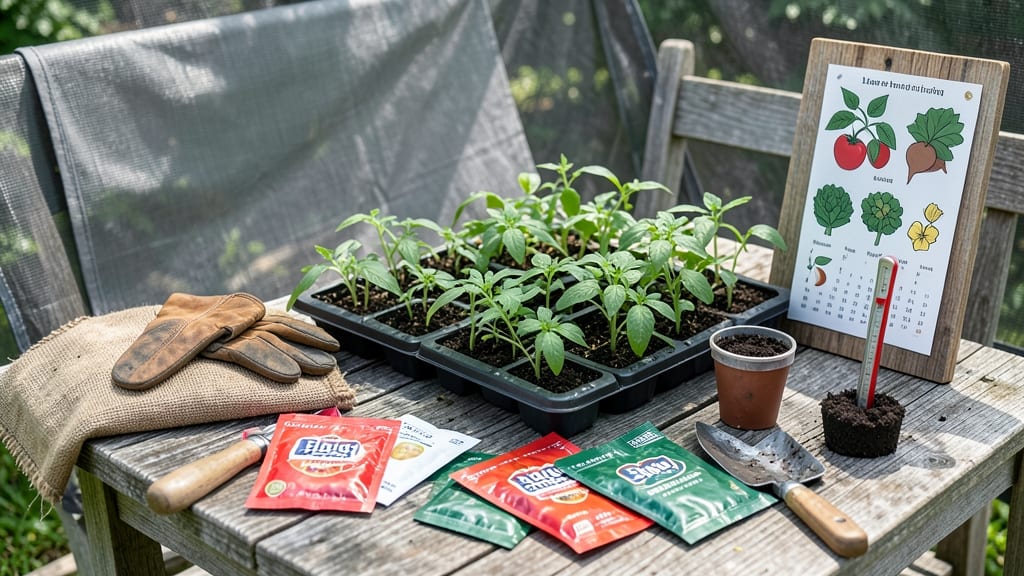
Planting a vegetable garden in Oklahoma at the right time means the difference between a bountiful harvest and a sad, wilted mess—so timing is everything.
Oklahoma’s unpredictable weather can make planning your vegetable garden a challenge—but knowing the exact frost dates for your region ensures you plant at the perfect time for maximum yield.
Whether you’re in the cooler high plains or the warmer southeastern corner, the key is aligning your planting schedule with your local last frost date—typically between March 15 and April 15—and adjusting for heat-loving crops like tomatoes and peppers.
Below, I break down the best planting windows for spring, summer, and fall crops, so you can avoid common mistakes and enjoy fresh veggies straight from your garden all season long.
Oklahoma frost dates by region: when to plant cool-season vs. warm-season vegetables
Oklahoma’s diverse climate—spanning USDA Hardiness Zones 6b to 8a—means frost dates vary dramatically from the Panhandle’s high plains to the southeastern hills.
In the northern regions (like Zone 6b), the last spring frost often hits around April 15, while southern areas (like Zone 8a) may see frost as late as March 20.
Understanding these microclimates is key to timing your cool-season crops (like lettuce and broccoli) and warm-season staples (tomatoes, peppers) perfectly.
For most of Oklahoma, the average first frost arrives between October 15 and November 15, but microclimates near lakes or urban areas can delay frost by 2–3 weeks.
This means gardeners in Tulsa or Oklahoma City might extend their growing season longer than those in Altus or Woodward. Always check local records—your neighbors’ gardens can be a great reference!
Below is a region-specific breakdown of frost dates and planting windows for Oklahoma’s most popular vegetables. Use this as your garden’s roadmap to avoid frost damage and maximize harvests.
Now that you know your frost dates, let’s match them to your vegetable goals. Cool-season crops like lettuce, spinach, and broccoli thrive when planted 4–6 weeks before the last frost. In Zone 6b, that means sowing seeds by February 15 for an early spring harvest.
For warm-season lovers, tomatoes and peppers need soil temps above 60°F, so wait until after your last frost date—usually mid-April to early May in most regions.
Pro tip: Use row covers or cold frames to extend your cool-season window by 2–3 weeks in early spring or late fall. I’ve successfully grown kale and radishes into December in Zone 7b by adding a simple floating row cover. This trick works wonders for fall harvests too!
If you’re in Zone 8a (like Tulsa or Oklahoma City), you can even plant warm-season crops like okra or sweet potatoes as early as March 1—just cover young plants with lightweight fabric if a late frost sneaks in.
The key is flexibility: monitor your local weather forecasts and adjust planting dates as needed.
For succession planting, plan to sow fast-growing crops like bush beans or lettuce every 2 weeks after your last frost date. This ensures a continuous harvest instead of one big overwhelming bounty.
I’ve found that planting a new row of lettuce every 10 days keeps my kitchen stocked all summer!
Remember, soil temperature matters just as much as air temperature. Use a soil thermometer to confirm warm-season crops are planted when soil is at least 60°F. In <
Best vegetables to plant in Oklahoma’s spring and fall seasons (with exact timing)
Oklahoma’s spring and fall seasons offer perfect windows for growing vegetables, but timing is everything. Plant too early, and frost will damage tender seedlings. Plant too late, and summer’s heat will stress your crops.
The key is knowing when to start seeds indoors, transplant seedlings, and sow directly into the warm soil of Oklahoma’s USDA Zones 6b–8a.
For spring planting, focus on cool-season crops like lettuce and peas in February–March, while warm-season favorites like tomatoes and peppers go in after the last frost, typically April 15–May 15.
In fall, you can extend your harvest by planting heat-tolerant varieties like Malaga spinach or Black Krim tomatoes in August–September for a late-season bounty.
- 🌱 February–March: Plant onions, garlic, peas, lettuce, spinach (cool-season crops). Start tomato and pepper seeds indoors.
- 🌿 April 15–May 15: Transplant tomatoes, peppers, cucumbers, squash after last frost. Direct-sow beans, corn, melons.
- ☀️ August–September: Plant fall broccoli, cabbage, kale, carrots for harvest before first frost. Succession-sow radishes every 2 weeks.
- 🌱 Late September–October: Direct-sow spinach, arugula, turnips for winter harvests (use row covers for frost protection).
Succession planting is your secret weapon for continuous harvests. For example, sow radishes every 2 weeks from March to September to enjoy fresh roots all season. Similarly, bush beans thrive in Oklahoma’s heat—plant them in May and again in July for two harvests.
Don’t overlook fall crops like kale and Brussels sprouts, which actually taste sweeter after a light frost. Start seeds in late summer (August) for a November–December harvest. Use row covers to protect tender seedlings if frost threatens early.
For warm-season staples, wait until soil temps reach 60°F+ (test with a soil thermometer). Cucumbers and squash love Oklahoma’s long summers—plant them after May 15 for a July–September harvest. If your summer is scorching, opt for heat-tolerant varieties like ‘Arkansas Traveler’ tomatoes.
Finally, soil prep is non-negotiable. Oklahoma’s clay-heavy soil benefits from compost and organic matter to improve drainage. Test your soil’s pH (aim for 6.0–7.0) and amend as needed before planting. With the right timing and care, your Oklahoma garden will yield bountiful harvests from spring to fall.