
Planting
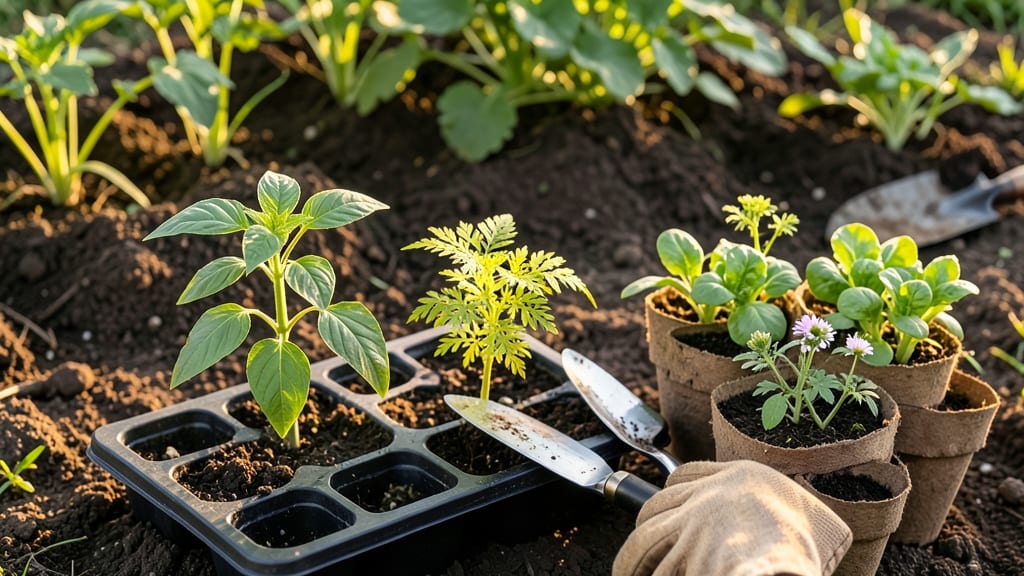
To plant a garden at the perfect time means aligning your schedule with your hardiness zone—because missing that window can turn your dreams of a bountiful harvest into a sad pile of wilted seedlings.
Think of it like catching a wave: too early, and frost will nip your tender sprouts; too late, and the heat arrives before your tomatoes set fruit.
The difference between a thriving 🌱 and a flop comes down to knowing when to start seeds indoors, when to transplant, and how to adjust for your local microclimate.
Whether you’re in the chilly Zone 3 or the balmy Zone 11, the right timing isn’t just about dates—it’s about soil temperatures, frost-free days, and even the phase of the moon for some gardeners.
I’ll break down the science behind it, so you can plant with confidence and avoid the common mistakes that leave beginners pulling their hair out.
By the end, you’ll know exactly when to start your cool-season crops, when to rush warm-season plants into the ground, and how to stretch your growing season with simple tricks like row covers or cold frames—no guesswork, just results.
USDA planting Zones: when to start seeds and transplant by region
Understanding your USDA Planting Zone is the first step to unlocking your garden’s full potential. Each zone—from the coldest Zone 3 to the warmest Zone 11—has distinct frost dates and planting windows that dictate when to start seeds indoors or transplant seedlings outdoors.
Missing these windows can stunt growth or even kill delicate plants before they thrive. My goal? To help you align your planting schedule with nature’s rhythm for peak harvests every season.
For example, in Zone 5, you might start cool-season crops like spinach in early spring, while tomatoes wait until after the last frost in May. Meanwhile, in Zone 9, warm-season plants like peppers can go straight into the ground in February.
The key is knowing your average last frost date and first fall frost—two critical benchmarks for every gardener.
The table below breaks down planting windows by zone, including when to start seeds indoors, transplant seedlings, and direct-sow warm-season crops. Use this as your roadmap to avoid common mistakes like planting too early (risking frost damage) or too late (missing the optimal growth window).
In Zones 3-4, where winters are harsh, focus on cool-season crops like kale and peas in early spring. Start seeds indoors by March 1 to transplant after your last frost—usually May 1-15.
Warm-season plants like cucumbers and beans can wait until June 1, when soil temperatures consistently stay above 60°F. Use row covers to extend your growing season if needed.
For Zones 5-6, the window shifts slightly earlier. Begin cool-season seeds indoors in February and transplant by May 10-20. Warm-season crops like tomatoes and peppers can go in the ground as early as May 15, but wait until soil warms to 65°F for best results.
In my experience, succession planting every 2 weeks maximizes yield for crops like lettuce and radishes.
In Zones 7-8, you’ll notice a longer growing season. Start cool-season crops indoors as early as January 15 and transplant by March 20. Warm-season plants can begin in April, giving you two full harvest cycles for bush beans and squash.
I’ve found that fall planting of broccoli and carrots in August often outperforms spring plantings due to cooler temperatures.
Gardeners in Zones 9-10 enjoy year-round growing potential. Cool-season crops can be planted in winter, while warm-season plants like eggplants thrive with February starts. The trick here is to avoid summer heat stress by providing afternoon shade for delicate greens. In Zone 11, tropical plants like okra
Cool-season vs. warm-season crops: planting strategies by climate
Understanding the difference between cool-season and warm-season crops is key to maximizing your garden's potential. Cool-season crops like lettuce, spinach, and peas thrive in temperatures between 40°F and 75°F, while warm-season crops such as tomatoes, peppers, and cucumbers need consistent warmth above 60°F to flourish.
Planting at the right time ensures healthier plants and better yields.
Your USDA hardiness zone and local last frost date determine the best planting windows. For example, in Zone 5, cool-season crops should go in early spring or late summer, while warm-season crops wait until after the last frost.
In warmer zones like Zone 9, you can plant warm-season crops year-round, but cool-season crops need shade during peak summer heat.
| CROP TYPE | IDEAL PLANTING TIME | TEMPERATURE RANGE | EXTENDING SEASON TIPS |
|---|---|---|---|
| Cool-Season Crops | Early spring (4-6 weeks before last frost) or late summer (6-8 weeks before first frost) | 40°F–75°F | Use row covers or cold frames to delay frost damage |
| Warm-Season Crops | After last frost (soil temp ≥60°F) | 60°F–90°F | Use shade cloth in summer or greenhouses for early starts |
| Examples | Lettuce, Spinach, Carrots (Cool) | Tomatoes, Peppers, Cucumbers (Warm) | N/A | Practice succession planting for continuous harvests |
For year-round harvests, use succession planting—sowing new seeds every 2-3 weeks for crops like lettuce or radishes. This keeps your garden productive even when seasons shift. For example, in Zone 7, you can plant lettuce in early spring, late summer, and even under protective covers in winter.
Extend your growing season with row covers or cold frames to protect cool-season crops from early frosts. These low-cost solutions can add 2-4 weeks to your harvest window. For warm-season crops, use black plastic mulch to warm soil faster in spring or shade cloth to protect from summer heatwaves.
Microclimates matter! A south-facing wall or raised bed can create warmer pockets in your garden, allowing you to plant warm-season crops earlier. Similarly, shady spots may support cool-season crops during summer. Observe your garden’s unique conditions to fine-tune planting times for optimal growth.
Don’t forget about soil temperature—it’s just as critical as air temperature. Use a soil thermometer to confirm warm-season crops are planted only when soil is at least 60°F. Cool-season crops, however, can tolerate cooler soil, making early spring or late fall planting possible in many regions.
By aligning your planting schedule with your local climate and using these strategies, you’ll enjoy a longer harvest season and healthier plants. Start experimenting with season extension tools this year—your garden will thank you! 🌱