
Planting
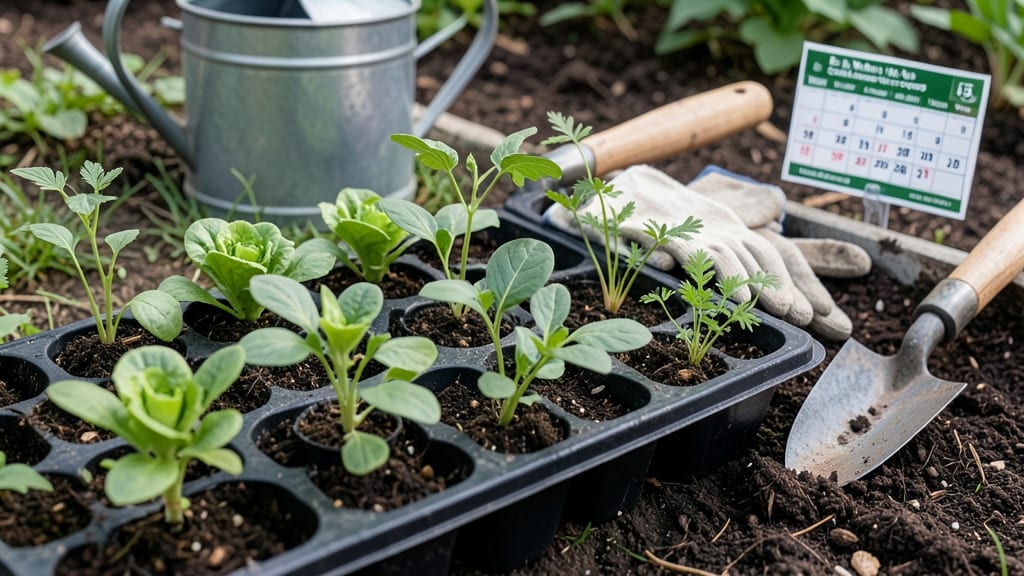
To plant a garden in Ohio, time your sowing with the last frost date—typically around mid-April—to avoid killing tender seedlings.
Ohio’s unpredictable spring weather can turn gardening dreams into guesswork—but knowing the exact planting windows for your zone ensures a thriving harvest instead of wilted disappointment. Whether you’re in Zone 5 or 6a, the difference between a bountiful garden and a failed attempt often comes down to timing.
Cool-season crops like peas and spinach can go in as early as March, while heat-lovers like tomatoes and peppers need to wait until soil warms in May. Microclimates—like urban heat islands or sheltered valleys—can shift your window by weeks, so local frost records are your best friend.
Inside, I’ll break down Ohio’s planting zones, month-by-month schedules, and pro tips to stretch your growing season without risking frost. Ready to turn your garden into a productive powerhouse?
Ohio planting zones & last frost dates by region (2024 guide)
Ohio’s gardening success hinges on understanding its 5 distinct planting zones (A through E) and variable last frost dates. These zones reflect Ohio’s transition from USDA Zone 5 in the north to Zone 6 in the south, creating unique microclimates that affect when you can safely plant.
Urban areas like Columbus often warm up faster than rural regions, so knowing your exact zone and frost dates is critical for timing sowing and transplanting.
For Ohio gardeners, the last frost date typically ranges from late March in southern Ohio to mid-May in the northern tier. This wide window means your planting schedule should align with your specific zone to avoid frost damage.
Even within a single county, microclimates—like south-facing slopes or urban heat islands—can shift your planting window by 1-2 weeks.
Below is your zone-by-zone breakdown, including average last frost dates, ideal planting windows, and microclimate adjustments. Use this as your roadmap to time everything from cool-season crops to warm-season transplants perfectly.
🌱
| Zone | Last Frost Date | First Frost Date | Frost-Free Days | Planting Window | Microclimate Notes |
|---|---|---|---|---|---|
| Zone A (Northeast Ohio) | May 10–15 | October 5–10 | 150–160 days | Cool crops: March 20–April 15 Warm crops: May 20–June 1 |
Urban areas (e.g., Cleveland) may warm 3–5 days earlier. |
| Zone B (North-Central Ohio) | April 25–May 5 | October 10–15 | 160–170 days | Cool crops: March 1–April 1 Warm crops: May 1–May 15 |
Lake-effect zones (e.g., Sandusky) delay spring by 1 week. |
| Zone C (Central Ohio) | April 15–20 | October 15–20 | 170–180 days | Cool crops: February 28–March 15 Warm crops: April 20–May 10 |
Columbus urban areas warm 5–7 days earlier than rural. |
| Zone D (Southwest Ohio) | April 1–10 | October 20–25 | 180–190 days | Cool crops: February 15–March 1 Warm crops: April 1–April 15 |
River valleys (e.g., Cincinnati) may see earlier springs. |
| Zone E (Southeast Ohio) | March 25–April 5 | October 25–November 1 | 190–200 days | Cool crops: February 1–February 15 Warm crops: March 15–April 1 |
Appalachian foothills may delay spring by 1 week. |
If you’re in Zone A or B, prioritize cold-hardy crops like peas, spinach, and kale in early spring, then wait until late May to plant tomatoes and peppers.
In Zones C–E, you can start warm-season plants as early as April, but always check your local frost probability (aim for 90% confidence of no frost before planting).
Microclimates play a huge role in Ohio. For example, urban heat islands in cities like Columbus can push last frost dates 5–7 days earlier than rural areas. Conversely, lake-effect zones near Erie or Sandusky may experience delayed springs due to cooler lake breezes.
Always monitor weekly frost forecasts from the National Weather Service or use a frost calendar from your local Ohio State Extension office.
Pro tip: Use row covers or cold frames to extend your planting window by 2–4 weeks in early spring or late fall. This is especially useful in Zone A, where the growing season is shortest.
For Zone E, you can even squeeze in a fall planting of garlic or onions in October for next year’s harvest.
Remember, Ohio’s first frost typically arrives between October 5 and November 1, depending on your zone. Plan your fall crops (like kale, radishes, or carrots) to mature before this
Best planting calendar for Ohio vegetables, flowers & herbs (by month)
Ohio’s cool springs and hot summers create a unique growing season where timing is everything. Whether you’re planting cool-season greens like spinach or heat-loving tomatoes, knowing the right month makes all the difference.
My garden thrives when I follow Ohio’s two planting windows: early spring for cold-hardy crops and late spring for warm-season favorites.
For perennials like lavender and coneflowers, fall planting gives roots time to establish before winter. Meanwhile, herbs like basil need to wait until soil warms to 60°F—usually late May in most of Ohio. Let’s break down the month-by-month schedule to maximize your harvest without frost surprises.
📅 Ohio Planting Calendar by Month
- 🌱 March: Start cool-season veggies indoors (lettuce, peas) and plant garlic and onions outdoors. Perennials like lavender can go in if soil isn’t frozen.
- 🌿 April: Sow spinach, kale, radishes, and carrots after last frost (avg. April 15). Transplant broccoli and cauliflower seedlings.
- ☀️ May: Plant tomatoes, peppers, and herbs (basil, cilantro) once soil hits 60°F. Flowers like marigolds thrive in warm soil.
- 🌻 June: Direct-sow beans, cucumbers, and squash. Succession plant lettuce for fall harvests. Perennials like coneflowers can be divided.
- 🍂 July-August: Sow late-season kale and turnips for fall harvest. Plant cool-season flowers (pansies) for winter color.
- 🌱 September: Start broccoli, cabbage, and peas indoors for spring planting. Bulbs like tulips can go in now.
- ❄️ October: Plant garlic cloves and winter rye cover crops. Perennials benefit from fall mulching.
Ohio’s Zone 5-6 transition means northern areas (like Toledo) have 2-3 weeks later last frost dates than southern regions (like Cincinnati).
Always check your local frost dates—I use the Old Farmer’s Almanac for my area. Succession planting every 2 weeks ensures a steady harvest of lettuce or bush beans all season.
Don’t overlook herbs like dill or parsley, which tolerate light frosts. I plant them in early spring and again in late summer for a double harvest. For warm-season crops, wait until nighttime temps stay above 50°F—usually mid-May—to avoid blossom-end rot in tomatoes.
Pro tip: Use row covers to extend cool-season planting by 3-4 weeks in early spring or late fall.
My spinach thrives under floating row covers until Mother’s Day, giving me fresh greens weeks longer than neighbors without covers. Mulch heavily in summer to keep roots cool for peppers and eggplants.