
Picking
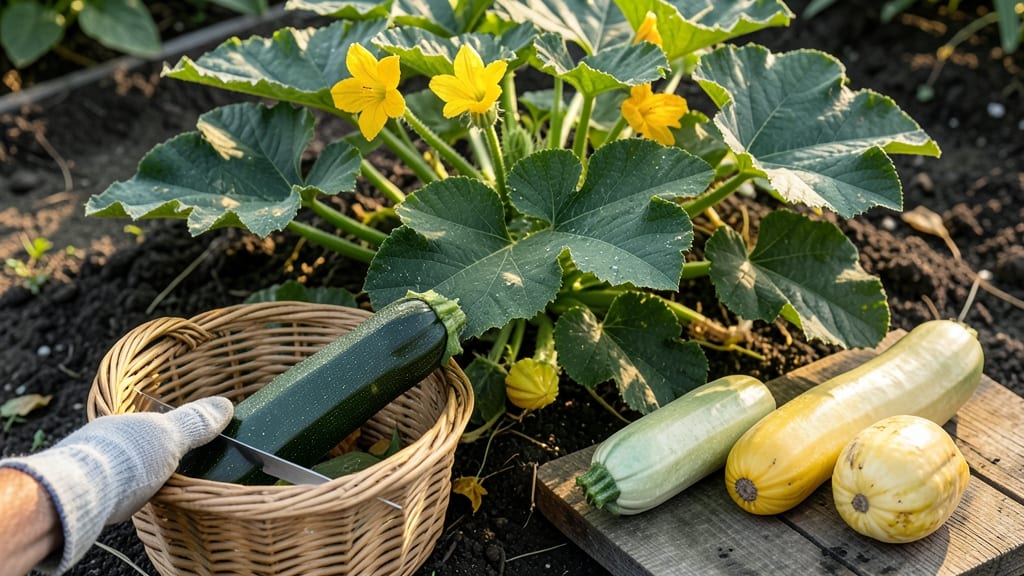
Picking zucchini at the right time turns your garden into a flavor-packed harvest instead of a pile of oversized, seedy squash.
Here’s the catch: zucchini 🎃 grow so fast that you might blink and miss the perfect window—leaving you with bitter, woody fruit or wasted effort. The secret lies in three simple cues: size, skin texture, and stem readiness. Master these, and you’ll never overlook another harvest again.
Why does timing matter? Because a zucchini picked at 6-8 inches is tender, sweet, and packed with nutrients, while one left too long becomes tough and seedy. I’ll show you exactly how to spot the difference, plus how often to check your plants so you never miss the sweet spot.
Ready to transform your garden from hit-or-miss to consistent bounty? Let’s dive into the signs that your zucchini is ready now—and how to keep the harvest flowing all season long.
3 Key signs your zucchini is perfectly ripe for picking
Harvesting zucchini at the right moment ensures peak flavor and tender texture. Miss this window, and you’ll end up with oversized, seedy squash that’s tough and bitter. The good news? Three simple visual cues will help you identify the perfect harvest time every time.
First, pay attention to the zucchini’s size. The ideal harvest length is between 6-8 inches. Any smaller, and it’s still developing its full flavor. Larger than 8 inches, and the seeds become prominent, making the flesh stringy and less sweet.
Next, check the skin texture. A ripe zucchini should feel firm but slightly yielding when you press it gently with your thumb. If it feels too soft, it’s not ready yet. If it’s hard and woody, you’ve waited too long.
Finally, look at the stem color and skin tone. The skin should be a deep, consistent green, not pale or yellowing. The stem where it attaches to the vine should also be bright green—this indicates the squash is still actively growing.
| Sign | Ripe Zucchini | Overripe Zucchini |
|---|---|---|
| Size | 6-8 inches long | 9+ inches long |
| Skin Texture | Firm but tender | Hard or woody |
| Color | Deep, consistent green | Pale, yellowing, or uneven |
| Stem | Bright green, snaps easily | Dull, woody, or fibrous |
| Seed Development | Small, barely visible | Large, prominent, or black |
Timing your harvest correctly also encourages more production. Zucchini plants are prolific, but they’ll stop producing if the fruit isn’t harvested regularly. By picking at the right size and ripeness, you signal the plant to keep growing new squash.
Pro tip: Use a sharp pruning shear or knife to cut the zucchini from the vine, leaving about 1 inch of stem attached. This helps prevent disease from entering the plant. Avoid twisting or tearing the fruit, as this can damage the vine.
If you’re unsure whether your zucchini is ready, check daily during peak harvest season (typically June through August). The more often you harvest, the more your plant will produce—leading to a continuous supply of fresh, tender squash all season long.
Remember, flavor peaks at 6-8 inches. Once zucchini grows beyond this size, the seeds harden and the flesh becomes less sweet. By mastering these three signs, you’ll never miss the perfect moment to harvest again.
Now grab your shears and enjoy that homegrown harvest at its absolute best! 🎃
How often to check your zucchini plants for harvest-ready squash
Zucchini plants produce squash at lightning speed—sometimes growing from tiny blossoms to 6-inch monsters in just 3-5 days. To avoid missing the perfect harvest window, I’ve learned that consistency is key.
Skipping even a few days can turn tender zucchini into tough, seedy giants. The trick? A mix of daily checks and strategic timing based on your garden’s productivity.
Most gardeners swear by morning inspections (between 7-9 AM) when squash is cool and firm. This is when you’ll spot the first signs of ripeness—like that deep green glow or the telltale slight give when you press the skin.
If you’re juggling multiple plants, I recommend dedicating 10-15 minutes daily during peak season (June-August) to stay ahead of the curve.
I’ve found that regional heat waves can accelerate growth, so in USDA Zones 8-10, I bump up checks to twice daily during July-August.
Pro tip: If your zucchini plants are bursting with flowers but no squash appears, hand-pollinate by gently tapping stems with a paintbrush—this jumpstarts fruit set and evens out your harvest timeline.
For container gardens or small spaces, I recommend a rotating schedule: Check Plant A on Monday/Wednesday/Friday, Plant B on Tuesday/Thursday/Saturday. This prevents harvest fatigue while ensuring no squash slips through the cracks. And always carry a sharp pruning shears—twisting zucchini off vines can damage plants and spread disease.
If you’re new to zucchini growing, start with one or two plants to master the rhythm. Once you’ve nailed the daily/weekly balance, you’ll spot those perfectly ripe squash before they even touch the ground.
The key is consistency over perfection—even missing a day won’t ruin your harvest if you stay vigilant.
Remember: The earlier you harvest, the more your plants will produce. A zucchini left on the vine for 10+ days past ripeness can halt flowering entirely. Stay ahead of the game, and your garden will reward you with nonstop summer squash! 🎃