
Picking
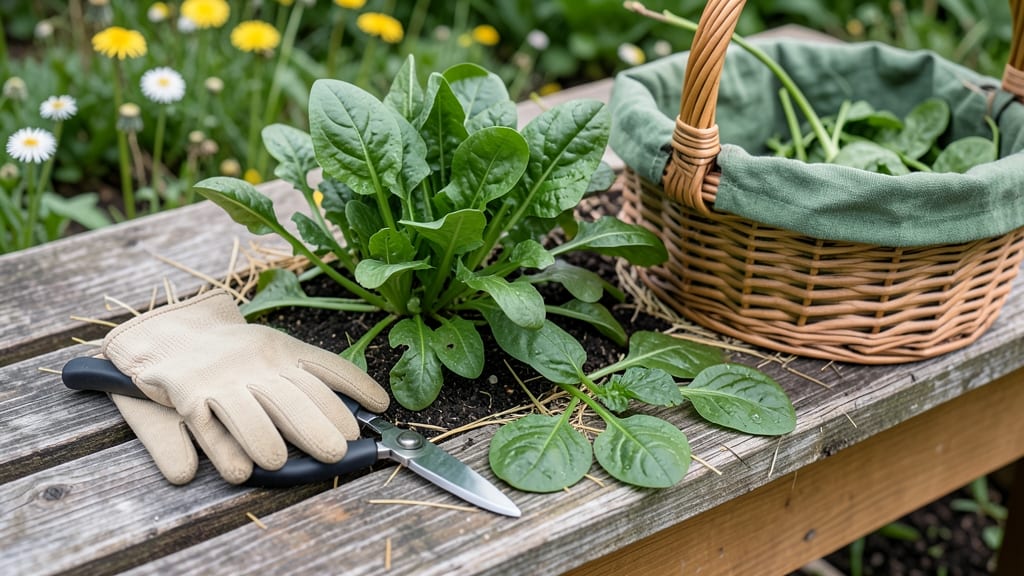
Picking spinach from your garden at the right time ensures tender, sweet leaves packed with flavor—wait too long, and you're left with tough, bitter greens.
🥬 If you've ever pulled a leaf only to find it woody or slightly flowery, you know how quickly spinach can go from perfect to ruined. The key is harvesting when leaves reach 4-6 inches in length and remain bright green, before they bolt or develop a tough texture.
This isn't just about timing—it's about maximizing your harvest. By picking outer leaves first and avoiding the center, you encourage regrowth and extend your spinach's productivity for weeks longer than a one-time harvest.
Below, I break down the exact signs to watch for—leaf size, color, and stem thickness—plus the best techniques to keep your spinach yielding tender greens all season.


How to determine spinach harvest time by leaf color & size
Timing your spinach harvest correctly transforms your garden into a flavorful feast—or a bitter disappointment. The difference lies in leaf color and size, two key indicators that tell you exactly when to pick.
For tender, sweet spinach, focus on bright green hues and specific leaf measurements tailored to your variety.
Most gardeners make the mistake of waiting too long, letting spinach develop woody stems or bolting (flowering). This happens when leaves reach 6+ inches and turn yellowish or reddish. Instead, aim for 4-6 inch leaves with smooth edges—this is the sweet spot for baby leaves or full-sized harvests.
Here’s how to use visual cues to time your harvest perfectly, including variety-specific guidelines for flat-leaf, savoy, and semi-savoy spinach:
| Spinach Type | Leaf Size (Ready) | Color Indicators | Harvest Method | Time to Bolt |
|---|---|---|---|---|
| Flat-Leaf (e.g., 'Bloomsdale') | 4–6 inches | Bright green, glossy | Snip outer leaves | 45–60 days |
| Savoy (e.g., 'Giant Winter') | 5–7 inches (crimped leaves) | Deep green, textured | Cut entire plant at base | 50–65 days |
| Semi-Savoy (e.g., 'Tyee') | 4–5 inches | Medium green, slightly wrinkled | Harvest outer + inner leaves | 40–55 days |
| Baby Spinach (All Types) | 2–3 inches | Tender, pale green | Shear entire plant | 25–35 days |
🌱 Pro Tip: Harvest in the morning for the freshest flavor and crispest texture.
Flat-leaf varieties like 'Bloomsdale' are ready when leaves hit 4–6 inches and stay bright green. If you wait too long, they’ll develop yellow veins or bitter edges—a clear sign of overmaturity. For savoy spinach, like 'Giant Winter', watch for deep green, crinkled leaves at 5–7 inches; these are perfect for salads or sautéing.
Semi-savoy types, such as 'Tyee', strike a balance—harvest when leaves reach 4–5 inches with a slightly wrinkled texture. These varieties often tolerate cooler temperatures better, so they’re ideal for fall harvests. Always check the leaf edges: smooth and tender means it’s time to pick!
Watch for color shifts as a warning sign. If leaves turn yellowish-green or develop reddish streaks, your spinach is bolting (flowering) due to heat stress or old age.
Bolted spinach loses its tender texture and gains a bitter, grassy flavor. To avoid this, harvest every 1–2 weeks during peak growth.
For baby spinach, aim for 2–3 inch leaves with a delicate, pale green hue. This is perfect for microgreens or gourmet salads. Use a clean pair of scissors to shear the entire plant just above the soil line.
This encourages regrowth and extends your harvest window by 2–4 weeks.
Temperature matters too! Spinach grown in cooler weather (50–70°F) stays sweeter and more tender. If summer heat rolls in, harvest faster—leaves will mature in half the time and bolt quicker. In fall, spinach often tastes richer due to cooler nights, so monitor leaf size closely.
To maximize your yield, never remove more than ⅓ of the plant at once. This ensures the center leaves stay tender and productive. Use sharp scissors or a clean knife to avoid damaging stems.
For continuous harvests, pick outer leaves first, allowing inner leaves to mature gradually.
If your spinach starts to taste bitter, it’s a sign of overmaturity or stress. This often happens when leaves are too large (7+ inches) or exposed to hot sun. For milder flavor, harvest younger leaves or grow spinach in partial shade during summer months.
🌿 Remember: The sooner you harvest, the longer your spinach plants will produce. With the right leaf color and size cues, you’ll enjoy fresh, flavorful spinach all season long!
Best practices for harvesting spinach without damaging plants
Harvesting spinach correctly keeps your plants producing for weeks—not just days. The key is gentle handling and strategic cutting to encourage regrowth. Unlike leafy greens like lettuce, spinach can handle multiple harvests if done right, giving you a steady supply of tender, flavorful leaves all season.
First, always harvest spinach in the morning when leaves are crisp and hydrated. Avoid picking after rain or in the evening, as damp leaves can develop fungal issues.
Use clean, sharp scissors or pruning shears to make precise cuts—never pull leaves by hand, which can uproot young plants or damage stems.
How to Harvest Spinach Without Damaging Plants
- 1. Wait for maturity: Harvest outer leaves when they reach 4–6 inches in length and are fully unfurled but still tender. Avoid picking from the center to preserve the plant's growth.
- 2. Cut at the base: Use clean scissors to snip leaves just above the soil line (about 1/4 inch above the crown). This prevents stem damage and encourages new growth from the base.
- 3. Leave the center intact: Never harvest more than one-third of the plant at a time. Focus on the outer leaves to allow the inner leaves to mature and regrow.
- 4. Harvest regularly: Pick spinach every 7–10 days during peak growth. Consistent harvesting prevents bolting (flowering) and keeps leaves tender and sweet.
- 5. Watch for regrowth signals: New leaves emerging from the center of the plant signal it’s ready for another harvest. If leaves turn yellow or woody, the plant is stressed—reduce harvesting frequency.
🌱 Pro Tip: Mulch around spinach plants after harvesting to retain moisture and reduce stress on regrowing leaves.
Over-harvesting is the #1 mistake gardeners make with spinach. If you remove too many leaves at once, the plant may bolt (send up a flower stalk) or produce tough, bitter leaves.
Instead, think of spinach as a cut-and-come-again crop—treat it like trimming a bush, taking only what you need while leaving enough foliage for photosynthesis.
For savoy spinach (with crinkled leaves), harvest slightly earlier—when leaves are 3–4 inches—since their texture becomes fibrous faster. Flat-leaf varieties like 'Tyee' can handle larger leaves (up to 6 inches) before they toughen.
Always taste-test a leaf: if it’s sweet and crisp, it’s ready; if it’s bitter or fibrous, you’ve waited too long.
One final tip: Rotate your harvests. If you have multiple spinach plants, stagger harvesting so you’re not stressing all of them at once. This extends your total harvest window by weeks, giving you fresh spinach long after neighbors’ plants have bolted.
With the right technique, a single spinach patch can provide continuous yields for 4–6 weeks—or even longer in cool climates.