
Picking
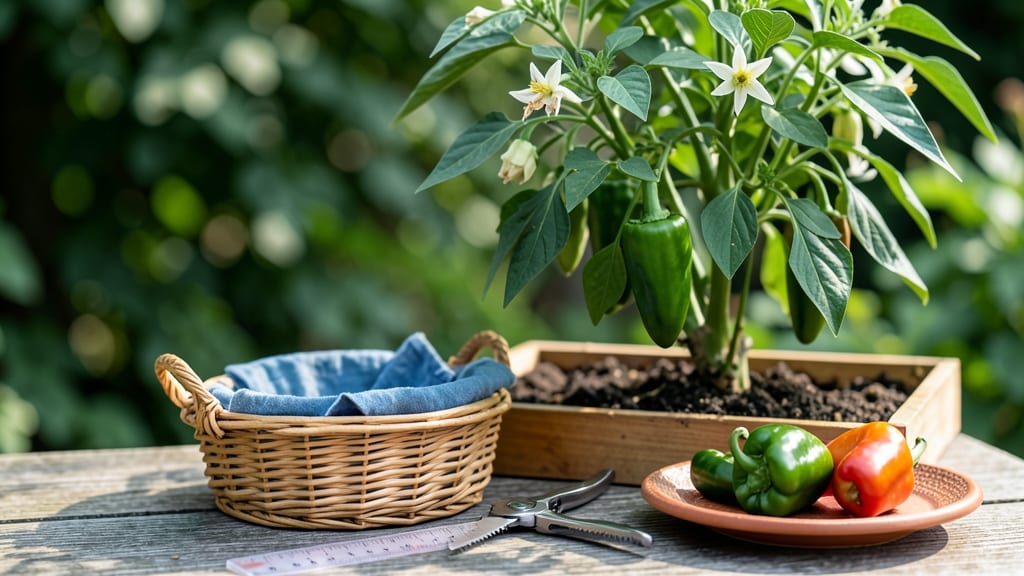
Picking jalapeños from the garden at the right time means capturing their peak heat and flavor—before they turn rubbery or lose their fiery kick.
You might glance at a glossy green pepper and think it’s ready, but wait too long and you’ll end up with a milder, mealy pod that’s past its prime. The truth? Jalapeños signal ripeness in subtle ways—color shifts, size cues, and even how they feel when you squeeze them.
In this guide, I’ll break down the 3 color-stage tests that guarantee you harvest at the perfect moment, plus how temperature and sunlight can trick you into picking too early or too late. No more guessing—just bold, heat-packed peppers every time.
From firmness checks to stem tests, you’ll learn the exact moment to snip (or twist) for maximum spice, plus how to store your harvest so it stays fresh for weeks. Let’s get started.


Jalapeño color-stage guide: when to harvest for maximum heat
Jalapeños transform from mild green pods to fiery red peppers as they ripen, but each color stage delivers a different flavor profile and heat level. Understanding these shifts helps you harvest at the perfect moment—whether you want mild green peppers for pickling or intense red jalapeños for salsas.
The key lies in their color progression, which directly correlates with spice development.
Green jalapeños are harvested early for their milder heat (2,500–5,000 SHU) and crisp texture, while fully ripe red peppers pack double the capsaicin (5,000–10,000 SHU) and a sweeter, fruitier taste. Even the light green to dark green transition signals a subtle heat increase.
Below, I’ll break down each stage, including how environmental factors like temperature and sunlight accelerate or slow ripening.
Temperature plays a crucial role in ripening speed. Warm days (75–85°F) accelerate color change, while cool nights (below 60°F) slow it down. If your jalapeños stall in the light green stage, consider using a black plastic mulch to absorb heat and speed up ripening.
Conversely, if your peppers turn red too quickly, they may lose some flavor complexity—a sign they need more time on the vine.
Light exposure also affects color depth. Full sun (6–8+ hours daily) produces the brightest green and most vibrant red hues, while partial shade can lead to pale, uneven coloring.
If your jalapeños develop yellow patches, they’re likely stressed from too much heat or insufficient water. In this case, harvest immediately to avoid bitter flavors.
Pro tip: Harvest in the morning when peppers are cool and firm. This ensures you’re capturing their peak freshness and heat potential. Use clean pruning shears to snip peppers just above the stem—never pull them off, as this can damage the plant.
For maximum yield, pick jalapeños every 2–3 days once they reach 2–3 inches in length.
If you’re growing jalapeños for long-term storage, allow them to ripen fully to red for better shelf life. Red peppers contain more natural sugars, which act as preservatives.
However, if you prefer milder heat, harvest at the deep green stage and store them in the fridge for up to 2 weeks. Freezing is another great option for preserving excess harvests.
One common mistake is assuming all green jalapeños are the same. The transition from light to dark green marks a 20% increase in heat
3 Physical tests to confirm jalapeño ripeness beyond color
Color alone isn’t always the best indicator of jalapeño ripeness. Some peppers may look ready but lack flavor, while others appear underripe yet pack serious heat.
To avoid these mistakes, I rely on three physical tests that reveal true maturity—tests that work even when colors are misleading due to lighting or variety differences.
These tactile checks help me distinguish between underripe peppers (too mild), perfectly ripe ones (peak heat and flavor), and overripe peppers (bitter, soft, and prone to spoilage). Mastering these tests ensures every jalapeño I harvest delivers the fiery punch gardeners grow them for.
Let’s break down how to apply these tests in real-world conditions. For example, in my hot summer gardens, jalapeños ripen faster, so I rely more on the stem separation test than color.
A pepper might turn red in 60 days, but if the stem doesn’t snap easily, I wait another week for full flavor development.
Conversely, in cooler climates or shaded spots, peppers may stay green longer. Here, the firmness test becomes crucial. A green jalapeño that yields slightly under pressure could still be perfectly ripe—don’t let color fool you! I’ve harvested glossy green peppers with heat levels matching their red counterparts.
Overripe peppers reveal themselves through these tests too. Look for wrinkled skin, excessive softness, or stems that pull away easily with no resistance. These are past their prime and should be used immediately in recipes or pickled to preserve their remaining heat.
The key is consistency—if two tests fail (e.g., soft and stem pulls too easily), it’s time to compost.
Pro tip: Pair these tests with the color-stage guide from the previous section. For example, a deep green pepper that passes all three physical tests is ideal for fresh salsas, while a light red one with perfect firmness delivers maximum capsaicin for spicy dishes.
Trust your hands—they’re more reliable than your eyes alone!