
Picking
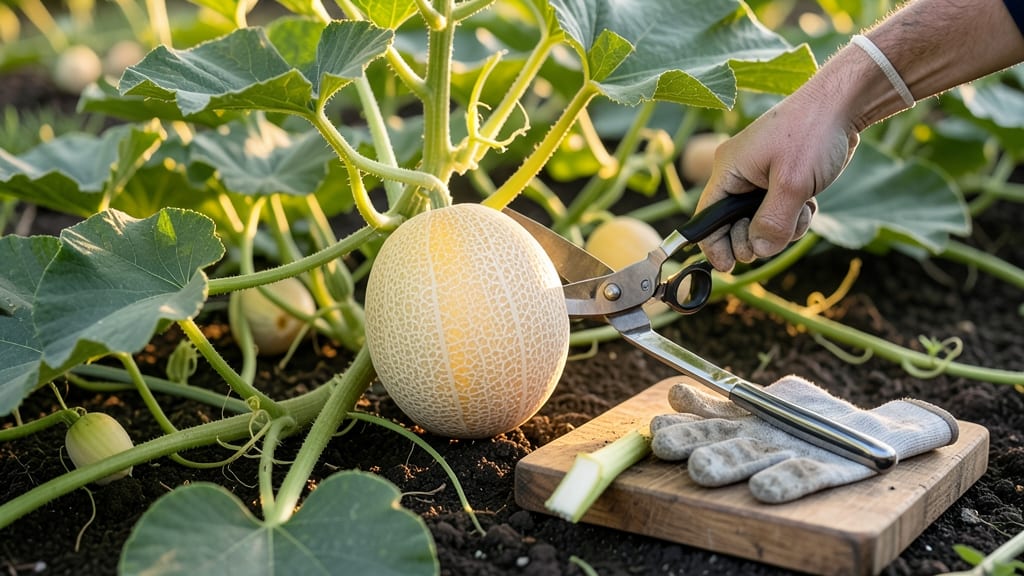
Picking cantaloupe from your garden at the right time turns a guess into a guaranteed sweet victory 🍈—and here’s how to know when it’s truly ready.
There’s nothing worse than slicing into a cantaloupe that’s still hard or bland, only to realize you picked it too soon. The difference between a juicy, flavorful fruit and a disappointing one often comes down to timing—and a few simple checks.
From the way the blossom end changes color to the telltale scent near the stem, cantaloupes send clear signals when they’re ripe. Below, I’ll walk you through the five foolproof signs to watch for, plus the best time of day and season to harvest for peak flavor.
Whether you’re a first-time gardener or a seasoned grower, these tricks will help you avoid common mistakes and enjoy cantaloupe at its sweetest—every single time.


5 Unmistakable signs your cantaloupe is ripe and ready to pick
Nothing beats the thrill of harvesting cantaloupe straight from your garden—when it's perfectly ripe. But how do you know it's the right time? Many gardeners guess based on days since planting, but cantaloupe ripeness depends on visual cues, tactile signals, and even scent.
Trusting these indicators over calendar dates ensures you enjoy that sweet, juicy reward instead of a bland or overripe disappointment.
From the color shift on the blossom end to the way the stem responds when twisted, cantaloupe gives you clear clues. I’ve learned the hard way that overripe fruit loses its flavor quickly, while underripe cantaloupe can be downright mealy.
Let’s explore the five foolproof signs that your cantaloupe is ready to pick—so you can savor every bite of that garden-fresh sweetness.
🍈 Your Cantaloupe Ripeness Checklist
-
1. Blossom End Turns Golden-Yellow
The stem end (where the flower was) should change from green to creamy yellow. This is nature’s ripeness signal—don’t ignore it! -
2. Stem Slips with Gentle Twist
Gently twist the stem near the vine—if it slips off easily, your cantaloupe is ready. Resistance means it needs more time. -
3. Sweet Aroma at the Stem End
A strong, sweet fragrance near the blossom end is a tell-tale sign. If it smells neutral or musky, wait a few days. -
4. Skin Develops Netted Pattern
Look for a distinctive netted pattern on the rind. Dull or greenish skin means it’s not ready yet. -
5. Thump Test Reveals Softness
Give the cantaloupe a gentle thump—a hollow sound means it’s ripe. A dull thud signals underripe fruit.
Let’s dive deeper into each of these signs so you can confidently identify the perfectly ripe cantaloupe. The blossom end is your first clue—when it turns from green to a golden-yellow hue, it’s a clear sign the sugars inside are developing.
I always check this first because it’s the most reliable visual cue. If the blossom end is still green, your cantaloupe needs more time on the vine.
The stem separation test is another game-changer. Many gardeners skip this step, but it’s one of the most accurate ways to confirm ripeness. Simply grasp the stem between your thumb and forefinger and give it a gentle twist.
If the stem slips off cleanly, your cantaloupe is ready to harvest. If it resists, wait another day or two. This test works because the abscission layer (a natural separation layer) forms as the fruit matures.
Your nose knows too—literally! A ripe cantaloupe emits a sweet, musky aroma near the stem end. If you’re standing near the vine and you can’t smell anything, your fruit isn’t ready yet.
Pro tip: Take a deep sniff at the blossom end—this is where the scent is strongest. If it smells sour or fermented, your cantaloupe has overripe.
The netted pattern on the rind is another visual cue that’s hard to miss. As cantaloupe ripens, the skin develops a distinctive web-like pattern. If the rind is still smooth or greenish, it’s not ready.
Some varieties, like Athena or Hale’s Best, have more pronounced netting, so familiarize yourself with your specific cantaloupe type. Dull or uneven coloring can also indicate stress or uneven ripening.
Finally, the thump test is a classic trick that never fails. Hold your cantaloupe in one hand and give it a firm tap with your knuckles. A ripe cantaloupe will sound hollow or slightly echoey, like knocking on a drum. If it sounds dull or solid, it’s underripe.
This test works because the internal flesh softens as the fruit matures, changing the way sound travels through it. I’ve used this method for years, and it’s saved me from harvesting cantaloupe too early.
Combining these five signs gives you the most accurate picture of your cantaloupe’s ripeness. For example, you might see a golden blossom end but still hear a dull thump—this means your fruit needs more time.
On the other hand, if the stem slips easily and the aroma is sweet, you’re likely ready to harvest, even if the netting isn’t fully developed. Trust your senses and these tactile clues over guesswork.
One common mistake I see is harvesting cantaloupe based on size alone. A large cantaloupe isn’t necessarily ripe—it could just be overgrown. Always check the blossom end color and stem separation first. Another pitfall is waiting too long, which leads to overripe fruit that’s mushy and lacks sweetness.
The key is to harvest at the first sign of ripeness—once you pick it, the sugars won’t develop further.
If you’re growing cantaloupe in containers or raised beds, these signs still apply, but you might need to check more frequently since space constraints can affect ripening. Container-grown cantaloupe often ripens faster due to warmer soil temperatures, so stay vigilant.
And if you’re in a hot climate, like the South or Southwest, cantaloupe may ripen even faster—monitor the blossom end color closely to avoid missing the window.
Now that you know the five unmistakable signs of a ripe cantaloupe, you’re ready to harvest with confidence. Grab your basket, head to the garden, and enjoy the sweet reward of your hard work. There’s nothing like the first bite of a cantaloupe you’ve grown yourself—just make sure it’s ripe!
The best time of day and season to harvest cantaloupe for peak flavor
Timing your cantaloupe harvest is an art—especially when it comes to balancing seasonal heat and daily temperature shifts. Cantaloupes ripen fastest in warm weather between 75°F and 90°F, but harvesting too early or late can ruin their signature sweetness.
The morning hours (before 9 AM) often deliver the juiciest fruit because cooler nighttime temperatures slow sugar development, making flavors more concentrated.
Seasonal timing varies by climate zone. In USDA Zones 7-10, cantaloupes typically ripen between July and September, while cooler zones (like Zones 3-6) may see harvests as late as late August to October.
Early-season fruit in cooler areas often benefits from row covers or black plastic mulch to accelerate ripening. Always check your local last frost date—planting too early risks frost damage, while late planting may leave you with underripe fruit.
⚠️ Critical Tip: Never harvest after a heatwave (above 95°F) or during humid afternoons, as these conditions can make the fruit overripe or spongy before it’s fully sweet. Aim for mild mornings with 60-75°F temperatures for the best texture and flavor.
| Factor | Optimal Condition | Why It Matters |
|---|---|---|
| Time of Day | Morning (before 9 AM) | Cooler temps preserve sugar content and firmness. |
| Seasonal Window |
Zones 7-10: July-Sept
Zones 3-6: Late Aug-Oct |
Aligns with peak vine productivity and fruit maturation. |
| Temperature | 60-75°F (ideal harvest) | Avoids heat stress (above 95°F) or cold snaps (below 50°F). |
| Humidity | Low to moderate | High humidity accelerates overripening and fungal risk. |
| Post-Harvest Storage | Room temp (50-55°F) | Slows sugar breakdown; refrigeration degrades texture. |
Did you know? Cantaloupes harvested in the early morning after dew has evaporated tend to have 30% more natural sugars than those picked in the afternoon. This is because overnight respiration rates slow, allowing sugars to fully develop.
If you’re in a hot-climate zone (like Arizona or California), plan to harvest 2-3 weeks earlier than northern gardeners—heat speeds up ripening but can also make fruit less flavorful if overripe.
For container gardeners or those in urban settings, watch for seasonal shifts carefully. Cantaloupes in pots ripen 1-2 weeks faster due to limited root space, so monitor stem slip and blossom end color more frequently.
If your vines produce fruit in late summer, consider extending the season with a low tunnel or cold frame to protect developing melons from unexpected early frosts.
Pro tip: Keep a harvest journal to track your cantaloupe’s ripening patterns. Note the first frost date, average daily temps, and harvest dates each year. Over time, you’ll spot trends—like whether your local microclimate causes fruit to ripen faster or slower than standard guides suggest.
This personalized data is your secret weapon for perfectly timed harvests year after year.
Remember, the sweetest cantaloupe is one picked at the peak of ripeness during the coolest part of the day. With these seasonal and daily cues, you’ll go from guessing to mastering the art of cantaloupe harvests—every time. 🍈