
Picking
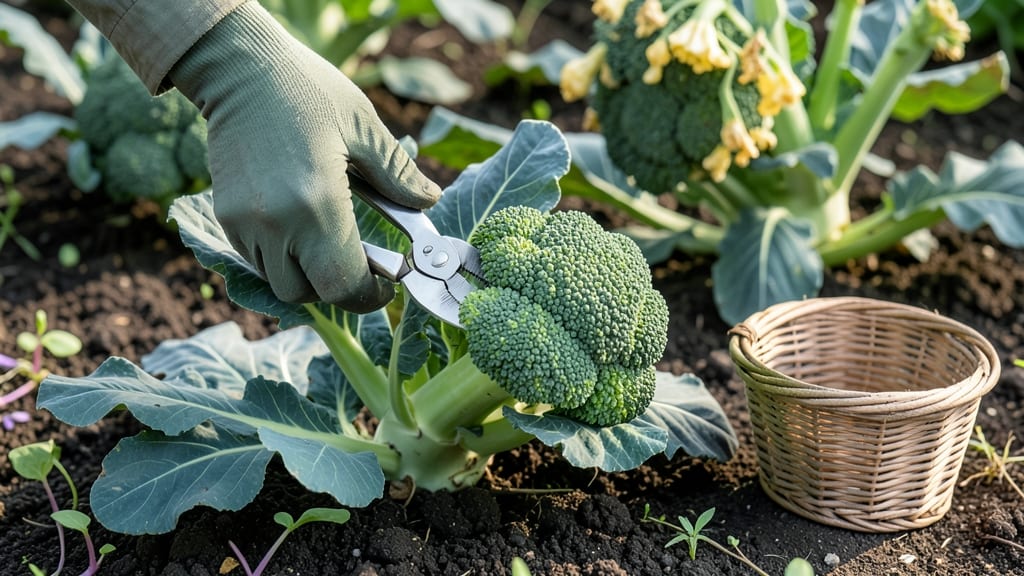
To pick broccoli from the garden at the perfect moment means harvesting crisp, flavorful heads before they turn bitter or flowery.
Imagine biting into a homegrown 🥦 that tastes sweeter than store-bought—only to realize it’s past its prime because you waited too long. The difference between a gourmet meal and a tough, woody disappointment comes down to timing, and I’ve got the visual cues to help you nail it every time.
Broccoli’s readiness isn’t just about size—it’s about color, texture, and even the time of day you harvest. A deep green head that snaps cleanly when bent is your goal, but there’s more to it than meets the eye.
Below, I’ll break down the three key signs to watch for, plus how to encourage your plants to keep producing after the first harvest.
Whether you’re a first-time gardener or a seasoned green thumb, these tips will help you avoid common mistakes and maximize your yield all season long.


3 Visual cues to know when broccoli is ready for harvest
Picking broccoli at the right moment transforms your garden harvest from bitter and tough to sweet and crisp. The difference between a perfect floret and a disappointing one often comes down to three simple visual cues.
I’ve learned the hard way—overripe broccoli turns yellow and woody, while underripe heads stay small and bland. Let’s focus on what truly matters when inspecting your plants.
First, timing matters because broccoli doesn’t stay at peak flavor for long. Once the central floret cluster starts opening, the plant begins diverting energy to seeds, making the remaining florets tough and stringy.
That’s why I always check these three key indicators before reaching for my pruners. Mastering them will give you homegrown broccoli that rivals store-bought—and tastes far superior.
🌱 Key Visual Cues for Harvest-Ready Broccoli
-
1. Head Size
Aim for 6-8 inches in diameter. Smaller heads (under 4 inches) are underdeveloped, while larger ones (over 10 inches) often signal overmaturity. Measure with your thumb and forefinger—if it fits snugly, it’s perfect. -
2. Color & Compactness
Look for deep green florets tightly packed together. Yellowing or purple tinges mean the head is past its prime. Gently squeeze the florets—if they spring back, they’re fresh; if they feel spongy, harvest now before they toughen. -
3. Stem Flex Test
Bend the main stem near the base. If it snaps cleanly, the head is ready. A woody or fibrous stem means it’s overripe. This test saves me from harvesting heads that’ll turn bitter within days.
Pro Tip: Harvest in the morning when temperatures are coolest. This preserves crispness and flavor longer after picking.
Let’s break down why each cue matters. The head size directly correlates with flavor development. Broccoli florets expand as they mature, but once they exceed 8 inches, the center often starts flowering, ruining the texture.
I’ve seen gardeners leave heads too long because they assume bigger is better—but that’s a common mistake that leads to disappointment.
Next, the color and compactness of the florets reveal the plant’s internal state. Deep green indicates optimal chlorophyll activity, which means sweetness. When florets start spreading apart or turning yellow, the plant is shifting energy to seed production.
This transition happens faster in warm weather, so I always harvest my spring broccoli before the first hot spell hits.
The stem flex test might seem odd, but it’s foolproof. A crisp snap means the plant’s water content is ideal, and the cell structure is firm. If the stem bends without snapping, it’s overripe.
I test stems every 2-3 days during peak harvest season to avoid missing the window. This simple check has saved me from wasting perfectly good plants.
One mistake I see often is harvesting broccoli based on calendar dates rather than visual cues. While broccoli typically matures in 50-80 days depending on the variety, environmental factors like temperature and sunlight can shift this timeline.
Always prioritize what you see over what you expect—your plants will thank you with better flavor.
For extra yield, I also watch for side shoots that emerge after the main head is harvested. These smaller florets follow the same readiness rules: check their size, color, and stem flexibility.
With proper care, a single broccoli plant can give you 3-5 harvests over its lifetime. That’s why timing the main harvest correctly sets you up for a bountiful season.
Finally, remember that broccoli’s peak flavor window is narrow. Once the florets start opening, they lose sweetness within 24-48 hours. That’s why I harvest mine early in the morning, store them in the fridge, and use them within 3-5 days.
When you nail these visual cues, you’re not just picking broccoli—you’re ensuring a harvest that tastes like summer in every bite.
Now that you know what to look for, your next step is to put these cues into action. Grab your pruners, head to the garden, and check those broccoli heads like a pro. The difference in flavor is worth the few extra seconds of inspection!
What happens if you pick broccoli too early or too late?
Picking broccoli too early or too late can turn your homegrown harvest from a gourmet delight to a sad, bitter disappointment. When you harvest prematurely, the florets stay small and underdeveloped, while waiting too long means tough stems and a bitter taste.
Even worse, the plant may send energy into seed production instead of giving you more edible heads.
The ideal harvest window is when the main head reaches 6–8 inches in diameter and the florets are still tightly packed. Missing this window means sacrificing flavor, texture, and even the chance for regrowth from side shoots.
Let’s break down what happens when you get the timing wrong—and how to salvage your crop if you do.
Picking Broccoli Too Early vs. Too Late
Too Early
- Small, underdeveloped florets
- Mild but watery flavor
- Wasted plant energy
- No chance for side shoot regrowth
Too Late
- Tough, woody stems
- Bitter taste from seed development
- Yellowing florets
- Plant may bolt prematurely
Perfect Timing
- Firm, deep green florets
- Crisp texture and sweet flavor
- Stem snaps cleanly when bent
- Encourages side shoot growth
If you’ve already picked your broccoli too late and the heads are turning yellow with tough stems, don’t toss them! Overripe broccoli can still be used in stir-fries, soups, or sauces where the texture won’t matter as much.
Chop the florets finely and sauté them with garlic and olive oil to mellow out the bitterness.
For side shoots, the plant can often produce 2–3 smaller harvests after the main head is cut. Simply trim the stem 5–7 inches below the harvested head, and keep the plant well-watered.
These side shoots won’t be as large as the main head but can still provide a second chance for flavorful broccoli.
To avoid these mistakes in the future, check your broccoli every 2–3 days during the harvest window. Morning is the best time to pick, as the florets are crispest and coolest. With practice, you’ll learn to spot the perfect moment—and enjoy broccoli at its peak flavor all season long.
🥦