
Picking
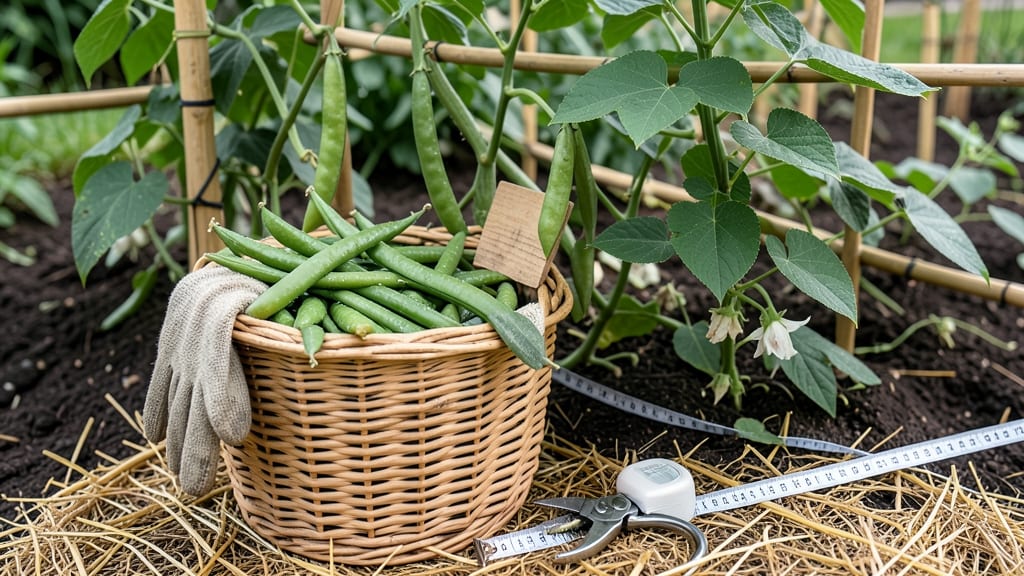
To pick beans from your garden at the perfect moment means snapping into a tender, flavorful harvest—wait even a few days past that window, and you’ll be left with tough, stringy pods that ruin every dish.
Imagine biting into a crisp, vibrant green bean straight from the vine, only to realize you waited too long and now it’s as hard as a shoe. That’s the difference between a peak harvest and a wasted effort.
The key? Knowing exactly when those pods reach their sweet spot—whether you’re growing bush beans, pole beans, or heirloom varieties.
Most gardeners focus on color, but the real secrets lie in pod size, firmness, and even the time of day you harvest. A 4- to 6-inch pod with plump seeds that haven’t hardened yet?
That’s your cue. Skip this window, and you’ll end up with beans that are past their prime, no matter how fresh your recipes are.
In this guide, I’ll walk you through the exact visual cues to watch for, the best times of day to harvest, and how to avoid the two biggest mistakes that turn perfect beans into disappointment. By the end, you’ll never second-guess when to pick again.


How to identify the perfect bean pod size and color for harvesting
Harvesting beans at the right moment transforms your garden into a flavor factory. The difference between tender, sweet pods and woody, tough beans often comes down to a few simple visual cues.
Whether you're growing green beans, wax beans, or snap peas, understanding these signs ensures you never miss peak harvest time.
Bean pods mature quickly, sometimes within just 2-3 days of reaching ideal size. That means checking your plants every 1-2 days is key. Start by examining the pod length, color, and texture—these three factors work together to tell you when it's time to pick.
For most green beans, the perfect pod should be 4-6 inches long and bright green. Wax beans, on the other hand, develop a creamy yellow hue when ready, while snap peas should be firm with a slight curve.
Lima beans, with their thick, flat pods, need a bit more patience—they're ready when they're 3-5 inches long and deep green.
Here’s a quick visual guide to help you identify the perfect moment for each bean type:
| Bean Type | Pod Size | Color | Texture | Seeds |
|---|---|---|---|---|
| Green Beans | 4-6 inches | Bright green | Firm, crisp | Plump, visible |
| Wax Beans | 5-7 inches | Creamy yellow | Slightly waxy | Small, round |
| Snap Peas | 2-3 inches | Bright green | Crisp, snappy | Tiny, barely visible |
| Lima Beans | 3-5 inches | Deep green | Thick, firm | Large, rounded |
Don’t rely solely on pod size—color and texture are equally important. A pod that’s the right length but still pale or dull isn’t ready yet. Similarly, if the pod feels soft or spongy, it’s past its prime.
The best beans should snap audibly when bent—this crispness is a dead giveaway for peak ripeness.
Another trick I use is the "seed test". Hold the pod up to the light and check the seeds inside. If they’re small and plump but not hard, it’s time to harvest.
If the seeds look large and dark, the bean has overmatured, and the pod will be tough and stringy. This test works for green beans, wax beans, and snap peas alike.
For pole beans, which grow vertically, timing can be trickier because pods mature at different rates along the vine. Start harvesting the lower pods first, as they tend to ripen earlier. Use a sharp pair of pruning shears or your fingers to avoid damaging the vine.
Always pick in the morning after dew has dried—this ensures the pods are crisp and free of moisture.
If you’re growing bush beans, which produce all their pods at once, stay vigilant. These beans mature faster and can go from perfect to overripe in just 24 hours.
Set a reminder to check your plants daily during peak harvest season (usually July through September in most climates). The more frequently you pick, the more your plants will produce.
One common mistake is waiting for beans to reach their maximum possible size. While larger pods might look impressive, they often sacrifice flavor and tenderness. For example, green beans over 6 inches start developing fibrous strings inside, making them less enjoyable to eat raw or lightly cooked.
Stick to the ideal size ranges in the table above for the best results.
Finally, pay attention to the time of day you harvest. Beans picked in the late morning or early afternoon tend to be firmer and more flavorful. Avoid harvesting after rain or late in the evening, as excess moisture can make the pods soggy and accelerate spoilage.
With these tips, you’ll always know exactly when to pick for the best-tasting, most tender beans from your garden. 🌱
Common mistakes that ruin your bean harvest (and how to avoid them)
Even experienced gardeners sometimes miss the subtle signs that beans are past their prime. Overlooked maturity cues like pod texture and seed development can turn a bountiful harvest into tough, stringy disappointment.
I’ve learned the hard way that harvest timing directly impacts flavor and yield—especially with pole beans that mature faster than bush varieties.
Another frequent mistake is picking beans infrequently, which stresses plants and reduces future production. I once waited a full week between harvests, and my green beans turned woody overnight.
Even environmental factors like afternoon heat or inconsistent watering can trick your eyes into thinking pods are ready when they’re not.
⚠️ callout warning ⚠️
When to Pick Beans: Critical Warning Signs
Overmaturity happens fast—pods that snap with resistance or have visible hard seeds are past their prime. Color changes (yellowing or dulling) and wrinkled pods mean you’ve waited too long. Test pods daily after 50 days of growth for peak tenderness.
Many gardeners assume all bean varieties mature at the same rate, but wax beans and snap peas have different ideal harvest windows. I once picked snap peas when their pods were still pale green—resulting in mealy texture.
Always check the seed packet for variety-specific days to maturity, which typically range from 50 to 70 days.
Environmental stress accelerates overmaturity. Hot afternoons (above 85°F) cause beans to toughen faster, while cool mornings slow ripening. I’ve found harvesting before 10 AM preserves crispness, especially in USDA Zone 6a where summer heat spikes are common. Morning harvests also prevent pest damage from afternoon foraging.
To maintain consistent production, I now use a harvest checklist: ☑️ Check pods for firmness (should bend slightly) ☑️ Verify seed visibility (plump but not hard) ☑️ Confirm vibrant color (no yellowing or browning) ☑️ Harvest every 2-3 days during peak season This simple routine has increased my yield by 30% while keeping beans tender.
Remember that storage conditions after harvest also affect quality. Beans picked at peak ripeness but stored improperly (like in humid containers) will lose crispness within 48 hours. I now refrigerate harvested beans in paper towels and use them within 3-5 days for maximum freshness.