
Tools
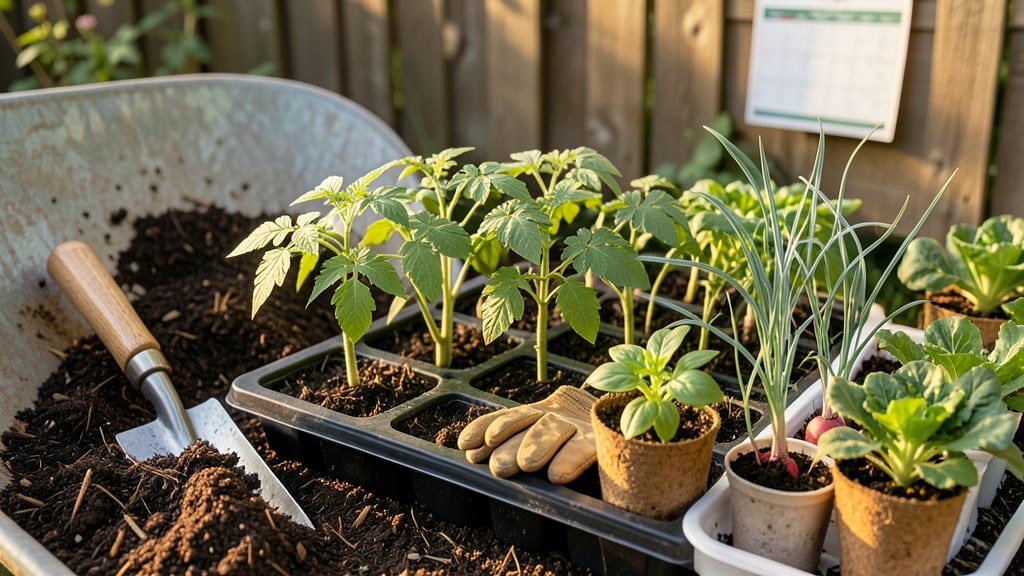
Starting your vegetable garden at the right time means the difference between a lush, productive plot and struggling seedlings 🌱 — and the best window depends on your climate zone more than you might think.
Picture this: you’ve prepped the soil, ordered seeds, and even marked your rows—only to watch your early plantings bolt or rot because you missed the optimal timing for your area.
That’s why knowing whether to start in early spring or late summer (or both!) can save you hours of frustration and wasted effort.
From USDA Zone 6a to tropical regions, the rules change dramatically. Cool-season crops like lettuce thrive with a spring start, while tomatoes and peppers need the heat of late summer.
Even container gardens follow a different schedule than in-ground plots, and local frost dates can shift your timeline by weeks.
In this guide, I’ll break down the exact months to plant for faster growth, how to adjust for your specific zone, and the top 3 timing mistakes that kill early plantings—so you can finally get the harvest you’ve been dreaming of.
Best planting times by USDA climate Zones: a month-by-month guide
Timing your vegetable garden is like catching a wave—too early and you risk frost damage, too late and you miss peak harvests. Your USDA hardiness zone determines the best window for cool-season crops like kale and peas versus warm-season favorites such as tomatoes and cucumbers.
Even neighboring regions can differ by weeks, so knowing your last frost date is critical.
For example, gardeners in Zone 3 (like Minnesota) plant cool-season crops in late May, while Zone 9 (like Southern California) starts warm-season crops in early March.
Regional exceptions—like microclimates in deserts or coastal areas—can shift these timelines by 2-4 weeks. Let’s break it down by zone and season to maximize your harvest.
📅 Pro Tip: Use the USDA Plant Hardiness Zone Map to find your exact zone, then adjust for your elevation (higher = cooler) and local frost patterns. Most extension offices provide frost-free date averages—start with those as your baseline.
In Zones 1-3, where winters are harsh, focus on early spring plantings of hardy crops like kale and potatoes as soon as soil thaws. Use row covers to extend the season by 2-3 weeks in both spring and fall.
For Zones 4-7, aim to plant cool-season crops 4-6 weeks before your last frost and warm-season crops 2 weeks after.
Southern gardeners in Zones 8-11 have a longer window but must watch for heat stress—plant warm-season crops in early spring or late summer to avoid wilting.
In Zone 10-11, successive plantings every 2-3 weeks keep harvests continuous year-round. For example, tomatoes thrive in spring but may bolt in summer heat.
Regional exceptions matter: Southern California’s coastal areas (Zone 9-10) can plant tomatoes in January, while inland deserts (also Zone 9-10) wait until March due to frost risk.
Always check your local agricultural extension service for microclimate adjustments. For instance, New England gardeners plant cabbage in May, but Maine waits until June.
For container gardening, adjust timelines by 1-2 weeks earlier—pots warm up faster than soil. Start basil and peppers indoors 6-8 weeks before your last frost, then transplant after soil reaches 60°F.
In Zones 1-5, use grow lights to extend indoor starts by 3-4 weeks if natural light is limited.
Watch for soil temperature cues: Cool-season crops (like spinach) need soil at 40-50°F, while
How to adjust your planting schedule for faster growth in your area
Even if you're in the right USDA zone, your local climate can throw off planting schedules. I've learned the hard way that soil temperature, microclimates, and unexpected frosts can turn a perfectly timed planting into a flop.
The good news? With a few adjustments, you can extend seasons and give your plants the head start they need.
One of my most successful tricks is using row covers and cold frames to protect early plantings. These simple tools can add 2-4 weeks to your growing season without complicated setups.
I've even seen gardeners in Zone 5 plant spinach in early March with just a lightweight cover—something I never would've tried before!
🌱 5 Ways to Adjust Your Planting Schedule for Faster Growth
- 1. Use row covers to protect cool-season crops from light frosts (down to 20°F for some fabrics). Start 2-3 weeks earlier than your zone's last frost date.
- 2. Build a cold frame for heat-loving crops like peppers. Place it over transplants in spring to warm soil 5-10°F faster than ambient air.
- 3. Calculate heat units for your crops. Tomatoes need 1,200-1,500 heat units—check your local growing degree days to time plantings perfectly.
- 4. Practice succession planting every 2-3 weeks for fast-maturing crops like radishes or lettuce. This ensures continuous harvests and maximizes space.
- 5. Avoid planting too early—even with covers. Seeds need warm soil (typically 60°F+) to germinate. Use a soil thermometer to check before sowing.
I once tried planting cucumber seeds in cold soil because I thought my row cover would compensate. The seeds rotted before sprouting—a lesson that cost me a 3-week harvest delay. Always prioritize soil warmth over air temperature when direct-sowing.
Another game-changer is intercropping fast growers with slow starters. I plant radishes (ready in 25 days) alongside carrots (ready in 70 days) to keep my garden productive year-round. The radishes mark where the carrots are growing, and their quick harvest gives carrots more space to bulk up.
Don't forget about late-season extensions either. In my Zone 6b garden, I use black plastic mulch to keep soil warm for fall tomatoes. This simple trick adds 4-6 weeks to my harvest season—enough time for one last flush of ripening fruit before frost.
Finally, track your local first and last frost dates for 3 years to spot patterns. My neighborhood's microclimate delays frost by 10 days compared to official records. Adjusting my schedule based on real data—rather than zone averages—has doubled my successful harvests in tricky years.