
Fertilization
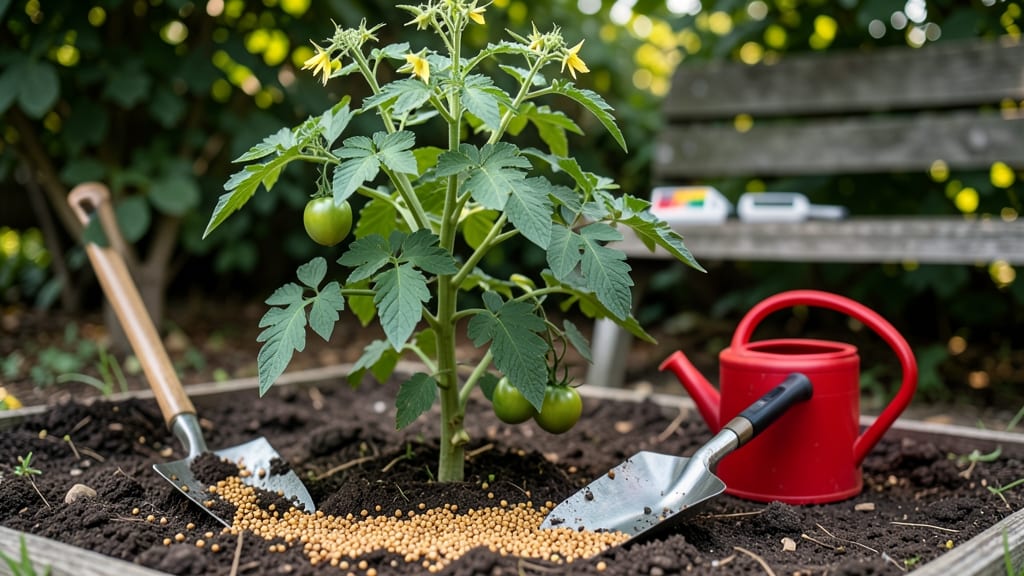
Fertilizing your garden at the right time can mean the difference between lush, thriving plants and struggling ones that never quite reach their potential.
Timing your garden fertilization like a pro isn’t just about throwing down nutrients—it’s the secret weapon behind lush foliage, explosive blooms, and bountiful harvests. But with seasonal shifts and plant life cycles, when exactly should you feed your garden for maximum impact?
In Zone 6a, where spring arrives around mid-March and frost lingers until late October, the window for feeding your 🌱 garden is precise. Too early, and you risk burning tender roots; too late, and your plants miss the growth boost they need.
The key is understanding when your garden is ready to absorb nutrients—whether that’s at planting, during rapid growth, or just before dormancy.
Below, I’ll break down the best fertilization schedule for your garden, from early spring wake-up calls to late-summer recovery tips. You’ll learn how to read your plants’ signals, avoid common mistakes, and keep your soil healthy year-round.
Seasonal fertilization calendar: when to feed plants by type and climate Zone
Timing your garden fertilization is like hitting the reset button for your plants—too early and you waste nutrients, too late and you miss the growth window. The key is understanding how seasonal shifts and plant life cycles dictate when to feed.
In cool climates (Zones 3-7), early spring and fall are prime times, while warm climates (Zones 8-11) focus on late winter and summer. Let’s break it down by month and plant type so you can feed your garden like a pro.
Your garden’s nutritional needs change dramatically throughout the year. Vegetables and annual flowers crave nutrients during active growth, while perennials and lawns benefit from strategic feeding tied to seasonal wake-ups.
Even climate zones shift the timeline—what’s ideal in Zone 5 (like late May) might be too late for Zone 9 (where March is perfect). Below, we’ll align your fertilization schedule with these factors for maximum impact.
🌱
| Month | Cool Climates (Zones 3-7) | Warm Climates (Zones 8-11) | Plant Types to Feed | Fertilizer Type |
|---|---|---|---|---|
| January | Prep soil (no active feeding) | Light feed for winter veggies (kale, carrots) | Winter crops, citrus trees | Balanced (5-5-5) or compost |
| February | Start early spring prep (compost) | Feed fruit trees and berries | Fruit trees, perennials | High-nitrogen (10-6-4) |
| March | First feed of season (veggies, lawns) | Lawns and spring bloomers | Lawns, tulips, broccoli | Slow-release (14-14-14) |
| April | Mid-season boost (tomatoes, peppers) | Vegetable gardens in full swing | Tomatoes, peppers, roses | High-phosphorus (5-10-10) |
| May | Lawns and annuals (every 4 weeks) | Summer veggies (corn, squash) | Corn, zucchini, marigolds | Balanced (10-10-10) or fish emulsion |
Signs your garden needs fertilizer (and when to hold off)Your garden whispers clues about its health long before you see dramatic changes. Yellowing leaves, stunted growth, or small, pale blooms are classic SOS signals that your plants crave nutrients. But before reaching for that fertilizer bag, ask yourself: Is it truly hunger—or something else? Understanding these signs helps you feed your garden at the perfect moment for maximum impact. Not all yellow leaves mean nutrient deficiency—overwatering or poor drainage can cause similar symptoms. That’s why I always check the soil moisture and leaf texture first. Crispy edges? Likely thirst. Soft, mushy stems? Possible rot. Only when these other factors are ruled out should you suspect a fertilizer deficiency. Timing matters too—feeding at the wrong stage can backfire. ⚠️ When Is the Best Time to Fertilize Your Garden?Never fertilize during drought, extreme heat, or plant dormancy. These conditions stress roots, making them vulnerable to burn or overgrowth. Instead, aim for early spring (when new growth appears) or mid-summer (after harvesting). Always water before and after applying fertilizer to protect roots. Your tomatoes might look healthy but produce tiny, bland fruit—a classic sign of potassium deficiency. Or your roses could sport fewer buds than usual, signaling a need for phosphorus. A simple soil test (available at garden centers for ~$20) reveals exactly what your soil lacks. I’ve learned the hard way that guessing can lead to over-fertilization, which causes leaf burn and root damage. If your lawn shows thin patches or dull green color, it’s often begging for nitrogen—but only if the soil isn’t already saturated. Slow-release fertilizers (like organic compost or pellets) are ideal for lawns, as they feed roots gradually. For container plants, I flush the soil with water after fertilizing to prevent salt buildup, which can stunt growth. Hold off on fertilizing if your plants are stressed by pests or diseases. Feeding encourages more growth, which attracts more bugs. Wait until the plant recovers, then use a balanced fertilizer (like 10-10-10) to rebuild strength. Perennials and shrubs often need less frequent feeding—just a spring top-dressing of compost works wonders. Remember: Less is more. I’ve seen gardens thrive with minimal feeding when paired with rich compost and proper watering. Pay attention to your plants’ growth cycles, and you’ll master the art of just-in-time fertilization—no guesswork, no waste. |