
Picking
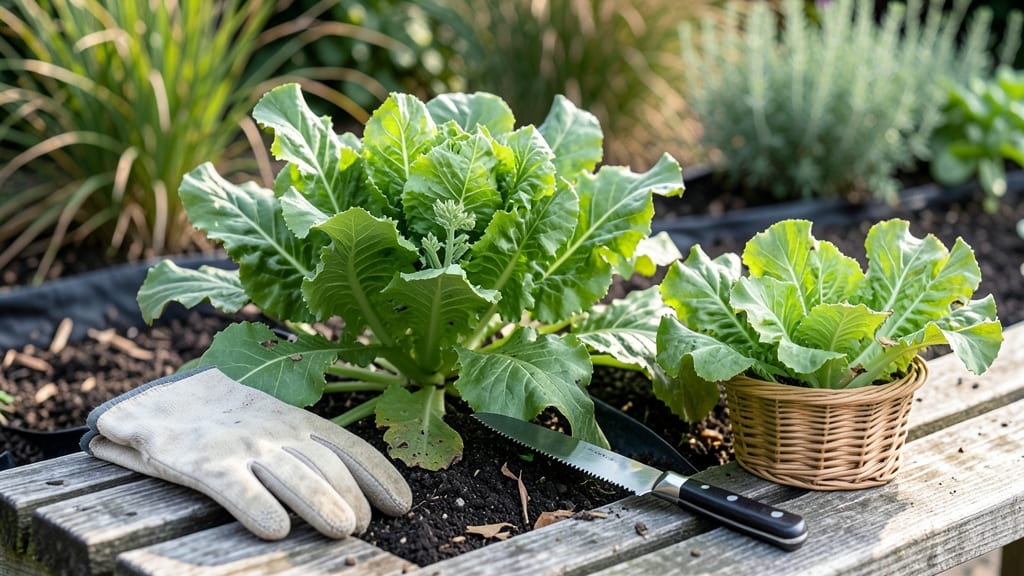
Garden lettuce is ready to pick when outer leaves reach 3–6 inches and snap crisply at the base 🥬 — timing it right means sweet, tender greens instead of bitter bolts.
Picture this: you’ve nurtured your lettuce for weeks, only to pull a leaf that’s tough as cardboard or already flowering. That’s the difference between a perfect harvest and wasted effort. The secret lies in three simple leaf tests that tell you exactly when to snip.
Most varieties mature in 30–60 days, but heat or overcrowding can rush them. I’ll show you how to check leaf size, texture, and color—plus the best time of day to harvest for maximum flavor.
Master these cues, and you’ll enjoy crisp salads all season long without the frustration of bolting or tough leaves.


3 Leaf tests to determine when garden lettuce is ready to pick
Knowing when to harvest your garden lettuce can transform a meal from bland to burstingly fresh. The difference between crisp, tender greens and bitter, overgrown leaves often comes down to timing.
Lettuce varieties like romaine, butterhead, and leaf lettuce each have unique cues, but three simple leaf tests apply across the board. These tests focus on size, texture, and color—the holy trinity of perfect lettuce.
I’ve learned the hard way that waiting too long means tough, woody stems and a flavor that’s gone sour. On the flip side, harvesting too early leaves you with tiny leaves that barely fill a salad bowl.
The key is checking these three visual and tactile clues 2-3 times per week once your lettuce reaches maturity. This ensures you’re always picking at peak freshness, whether you’re growing crisphead or delicate baby leaf varieties.
- 📏 Leaf Size Test: Outer leaves should measure 3-6 inches long for most varieties. For baby leaf lettuce, aim for 2-3 inches.
- 🤏 Texture Test: Gently pinch a leaf—it should feel tender and slightly crisp, not rubbery or mushy. Butterhead varieties will be softer than romaine.
- 🌿 Color Test: Leaves should be vibrant and consistent in color—deep green for green leaf, rich red for red romaine, or purple for oakleaf. Pale or yellowing leaves mean it’s past its prime.
- ✂️ Bonus Tip: For cut-and-come-again varieties, harvest outer leaves first when they reach 4-5 inches to encourage regrowth.
Let’s break down these tests by variety, because not all lettuce is created equal. For example, romaine varieties like Little Gem or Parris Island often have longer, firmer leaves that can handle a slightly later harvest. Their ideal size is 6-8 inches tall with a crisp, upright structure.
In contrast, butterhead types like Bibb or Boston should be harvested when leaves are 4-5 inches wide and loosely packed, as they soften quickly once mature.
Texture is where many gardeners trip up. A leaf that’s too firm means it’s not ready, while one that’s too soft signals overmaturity. To test, gently squeeze the leaf between your thumb and forefinger. If it feels like a fresh carrot (crisp but yielding), it’s perfect.
If it feels like cardboard, you’ve waited too long. For leaf lettuce varieties like Black Seeded Simpson, this test is especially critical because their delicate nature makes them bolt faster in heat.
Color is your final checkpoint, and it’s more nuanced than you might think. Deep, even color means the lettuce has been growing optimally. For red or purple varieties, this means a rich, uniform hue—not streaky or pale.
If you notice yellowing edges or brown spots, it’s a sign of stress, often from overwatering or nutrient deficiency. In my garden, I’ve found that morning harvests yield the most vibrant colors because the leaves are fully hydrated after a night’s rest.
One mistake I used to make was assuming all lettuce was ready at the same time. Crisphead varieties, like Iceberg, take longer to mature—often 60-70 days—while leaf lettuce can be ready in as few as 30 days.
To avoid confusion, I now label my rows and check each variety separately. For slow-growing varieties, I’ll harvest the outer leaves first to encourage the inner leaves to mature more quickly.
Seasonal timing also plays a role in these tests. In hot summer months, lettuce bolts faster, so I harvest earlier and more frequently to beat the heat. Conversely, in cool spring or fall, I can afford to wait a few extra days for larger leaves.
Pro tip: Shade cloth can extend your harvest window in summer by keeping leaves tender and sweet.
If you’re growing lettuce for baby leaves, these tests still apply but on a smaller scale. Harvest when leaves are 2-3 inches long and delicate, often just 3-4 weeks after planting.
This method gives you multiple harvests from a single planting, making it perfect for container gardens or small spaces. I’ve even used this technique to extend my harvest into late fall by planting successive crops every 2 weeks.
Remember, the goal is consistent harvests, not one giant haul. By mastering these three leaf tests, you’ll enjoy fresh, flavorful lettuce all season long—no bitter surprises included. Happy harvesting! 🥬
How to harvest lettuce without damaging future growth
Harvesting lettuce the right way ensures tender, flavorful leaves while encouraging more growth. The key is using gentle techniques that preserve the plant's energy. Outer-leaf harvesting is my go-to method because it lets the inner leaves keep growing.
When done correctly, you can extend your harvest by 3-4 weeks without sacrificing quality.
Timing matters just as much as technique. Harvesting at the right seasonal stage prevents bitterness and bolting. For spring lettuce, aim to pick before May temperatures rise above 75°F, while fall varieties should be harvested before October's first frost. These windows keep your lettuce sweet and crisp.
Now, let's dive into the step-by-step process with my foolproof method:
For butterhead and romaine varieties, you can also harvest the whole head by cutting 1 inch above the soil when the leaves are fully grown. This works best for late-season harvests when you want a full head at once.
Just be sure to leave the outer leaves intact to protect the inner growth.
Seasonal timing is everything. In spring, harvest in cool mornings to maintain crispness. In fall, pick on overcast days to prevent heat stress. These small adjustments make a huge difference in flavor and texture.
With these techniques, I've harvested up to 50% more lettuce from the same plants by always leaving the center intact. The secret is patience—let those inner leaves grow while you enjoy the outer ones. Happy harvesting! 🥬