
Tools
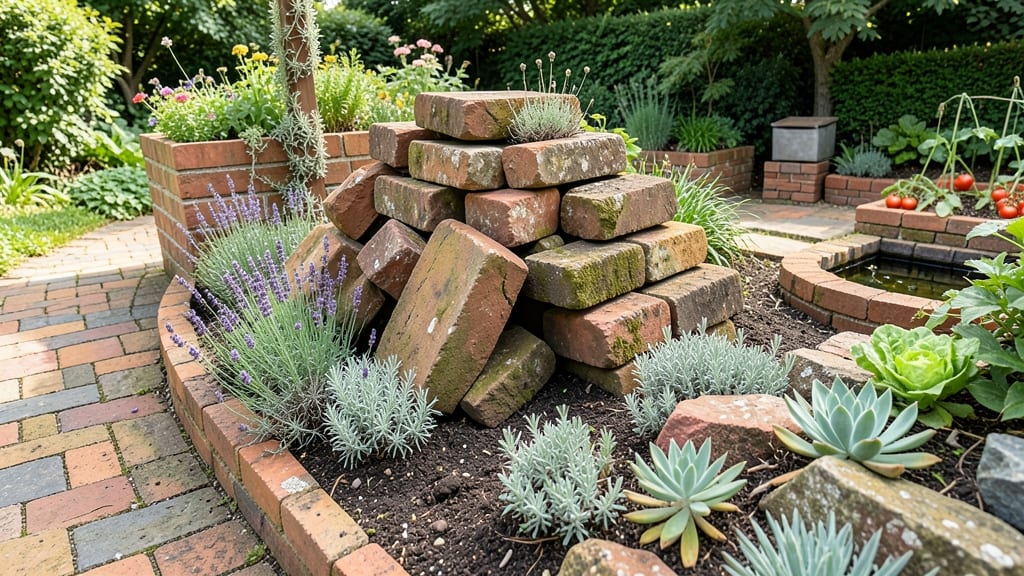
Repurposing old bricks in the garden transforms them into functional and decorative elements—think raised planters, rustic borders, or artistic edging that elevate your outdoor space. Their timeless appeal and strength make them perfect for sustainable landscaping projects.
Old bricks aren't just for pathways—they're versatile building blocks for your garden. 🌿 For example, stack them to create vertical herb gardens or use them as sturdy bases for potted plants.
Their rustic charm also works beautifully as a border for flower beds or even as a creative mosaic for garden art. Plus, they're eco-friendly, reducing waste while adding character to your outdoor space.
When working with bricks, consider their weight and stability—laying them on a bed of sand or gravel helps prevent shifting over time. You can also mix materials like pebbles or mulch around them to enhance their visual appeal and functionality.
The possibilities are endless, from whimsical brick stepping stones to a striking brick-and-wood trellis for climbing plants.
💡 In This Article
- How to Repurpose Old Bricks for Garden Structures
- Decorative Brick Garden Ideas for Visual Impact
How to repurpose old bricks for garden structures
Old bricks become sturdy foundations for garden structures when you understand their natural properties. Each brick weighs about 4-6 pounds, depending on size, which means they require a stable base—like a 4-inch layer of compacted gravel—to prevent sinking or shifting.
The key is using mortar-free stacking techniques, such as interlocking bricks with landscape fabric or sand between layers. This method prevents erosion while allowing water drainage, which is critical for planters or raised beds where moisture control matters most.
For raised planters, arrange bricks in a U-shape or rectangular frame, leaving gaps for drainage. Line the interior with landscape fabric to block soil from washing out, then fill with a mix of 60% topsoil and 40% compost for optimal plant growth.
A 3-4 brick-high wall provides enough depth for most vegetables and herbs, while also creating a defined growing space that keeps weeds at bay. 🌱 The rough texture of bricks also helps retain heat, extending the growing season for cold-sensitive plants like tomatoes or peppers.
When building trellises or vertical gardens, use bricks as anchors for wooden or metal frames. For example, stack 3-4 bricks in a corner to support a 2x4 lumber frame, then attach chicken wire or lattice panels for climbing plants.
The weight of the bricks keeps the structure firmly planted, even in windy conditions. Weatherproofing is essential—apply a waterproof sealant to bricks before assembly to protect against moisture absorption, which can weaken the material over time.
Stability is the biggest challenge with brick structures, especially in uneven terrain. To counter this, dig shallow trenches (2-3 inches deep) at the base of each brick layer and fill them with concrete or pea gravel for extra support.
For larger projects, like a brick bench or fire pit, consider using brick adhesive or rebar anchors to reinforce connections between bricks. This ensures your structure stays intact through seasonal changes and foot traffic.
Think beyond traditional layouts—bricks can also create tiered planters by stacking them at varying heights, or even a brick-and-stone mosaic as a backdrop for climbing roses. The versatility comes from their uniform size and weight, which allows for precise, repeatable designs.
For instance, a spiral herb garden built from bricks can maximize vertical space in small gardens while adding a whimsical touch.
Pro tip: Save broken or irregular bricks for edging or filler pieces—they add character without compromising function. Just ensure all bricks are clean and free of loose mortar before use, as debris can disrupt drainage or attract pests.
With the right techniques, your brick structures will last for years, blending practicality with rustic charm. 🏡