
Tools
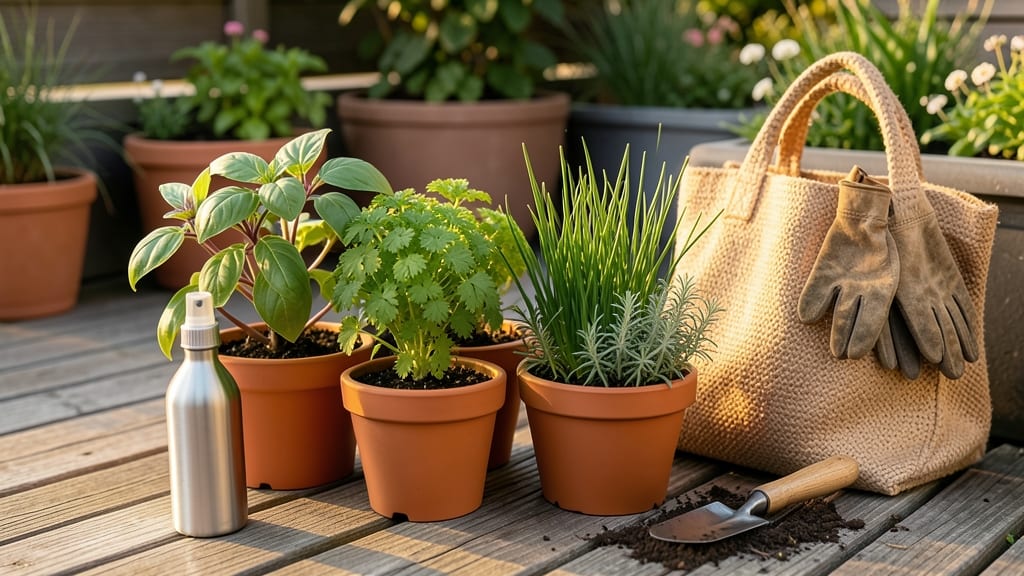
To go garden means planting only after the last frost date in your zone to avoid cold damage, using local frost-free timelines and heat-tolerant varieties for reliable growth without risking winter kill.
Timing your garden correctly is all about matching your plants' needs with your local climate.
The last frost date marks the safest moment to plant warm-season crops, as temperatures consistently stay above freezing. Microclimates—like sunny south-facing slopes or sheltered valleys—can push your planting window earlier by 1-2 weeks, so checking Plant Maps or your local National Weather Service data gives you precise timing.
I’ve found that even a week too early can stress seedlings, while waiting just a few days longer often means stronger, more resilient plants.
Once you’ve nailed your frost-free date, focus on varieties bred to thrive in heat. Heat-tolerant tomatoes like 'Solar Fire' or 'Heatmaster' produce better in high temperatures, while okra and sweet potatoes practically demand the warmth.
Pairing these with fast-maturing crops (like bush beans or zucchini) ensures you get a harvest before summer’s peak intensity. The key is balancing heat resistance with your growing season’s length—some plants just can’t handle both long days and scorching temps.
💡 In This Article
- Understanding Frost-Free Zones and Planting Timelines
- Choosing Heat-Tolerant Plants for Zero-Frost Gardening
Understanding frost-free zones and planting timelines
Frost-free zones aren't just about the USDA's hardiness map—they're determined by a complex interplay of latitude, elevation, and seasonal temperature patterns. The USDA zones provide a broad guideline, but your last frost date can vary by 1-3 weeks even within the same zone due to local geography.
For example, a valley might experience frost 2 weeks later than a nearby hilltop because cold air sinks and collects in low areas. This is why gardeners in Zone 7a (average minimum -15°F) could see last frosts ranging from early April to mid-May depending on their microclimate.
The science behind frost risk involves radiative cooling—when the ground loses heat rapidly at night, creating temperature inversions where cold air pools. Urban areas with concrete and asphalt can actually be 3-5°F warmer than rural zones just a mile away, creating "heat islands" that delay frost.
To get precise data, cross-reference the National Weather Service's frost probability maps with Plant Maps' frost-free date calculator, which factors in 30 years of local weather records.
I've seen cases where a gardener in Zone 6 planted tomatoes 10 days early based on their neighbor's advice—only to lose their seedlings to a late frost that hit -2°F.
What most people don't realize is that soil temperature matters just as much as air temperature for seed germination.
Warm-season crops like peppers and cucumbers need soil to stay above 60°F for 7-10 consecutive days—this is why black plastic mulch can extend your planting window by 2-3 weeks by trapping heat.
The rule of thumb is to wait until nighttime lows consistently stay above 50°F, as this ensures roots won't experience cold shock. Using a soil thermometer for 3-5 days gives you real data rather than relying on air temperature alone.
Here's how to verify your exact frost-free date with confidence:
- Check historical averages: The National Weather Service provides 30-year frost probability data for your ZIP code
- Monitor local patterns: Track nighttime lows on a minimum-maximum thermometer for 2 weeks before planting
- Use plant heat units: Some crops (like eggplants) require 1,200+ growing degree days above 50°F—calculate this using your local weather station data
Microclimates create opportunities for earlier planting in specific spots. A south-facing wall can add 10-14°F of warmth during the day, while a windbreak hedge reduces temperature swings by 5-10°F. I've successfully planted basil 3 weeks earlier near my house's brick foundation compared to the open garden bed.
The key is observing where frost collects in your yard—low spots, north-facing areas, and open fields are always riskier.
For gardeners in transitional zones (like Zone 7b where last frosts can range from April 15-May 10), the safest approach is to use row covers or cold frames for 2-3 weeks after the average last frost date.
These create a 5-10°F warmer microclimate that protects tender seedlings while you monitor weather forecasts. The Almanac's Frost/Freeze Predictor offers daily updates that account for current weather patterns, not just historical averages.