
Tools
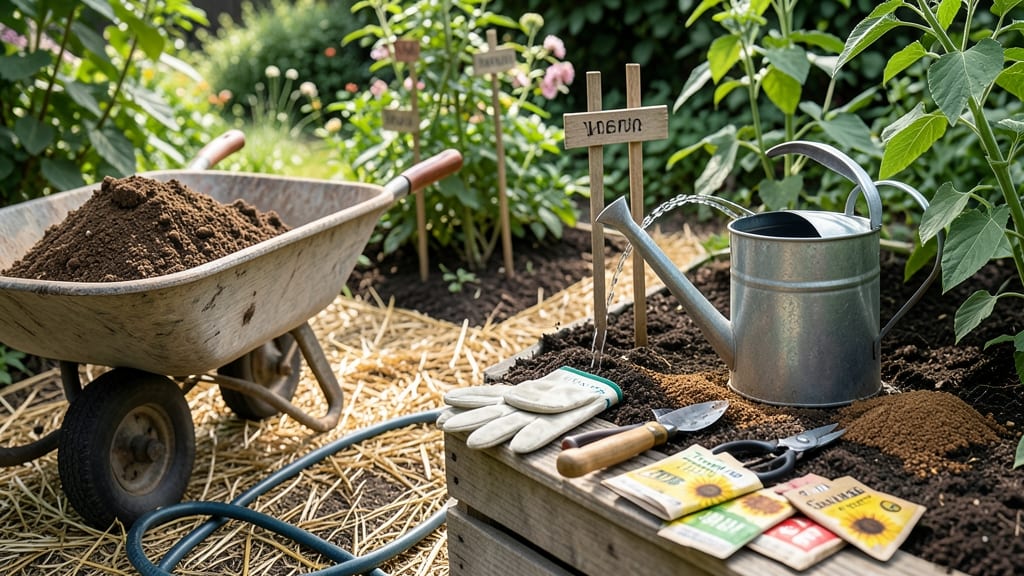
Following the right gardening steps turns a patch of dirt into a lush, productive garden—and the difference between thriving plants and struggling ones often comes down to timing, technique, and a few key habits.
If you’ve ever watched seeds sprout only to wilt under poor soil or uneven watering, you know how quickly things can go wrong. The good news? Mastering a few essential gardening steps—like prepping soil, spacing plants correctly, and mulching—can make all the difference in your harvest.
This guide breaks down the seasonal rhythm of gardening, from spring planting to fall cleanup, so you can avoid common mistakes and keep your garden flourishing year-round. Whether you’re growing veggies, herbs, or flowers, these actionable tips will help you grow with confidence.
Ready to transform your space? You’ll learn the tools, timing, and tricks to plant, prune, and harvest like a pro—no green thumb required.
Seasonal gardening steps: planting, pruning, and maintenance timeline
A successful garden thrives on timing—knowing when to plant, prune, and maintain ensures your vegetables and flowers grow strong and healthy. In temperate climates, each season brings unique tasks, from spring soil prep to fall cleanup. Follow this month-by-month guide to stay on track and maximize your garden’s potential.
Start in early spring by testing your soil pH and amending it with compost or organic matter. This sets the foundation for healthy root development. As temperatures rise, focus on seed sowing and transplanting seedlings, while summer demands vigilant watering and pest control.
| Season | Task | Details | Notes |
|---|---|---|---|
| Early Spring (March-April) | Soil Prep | Test pH, add compost, till soil | Ideal pH: 6.0-7.0 for most plants |
| Late Spring (May) | Seed Sowing | Direct sow or start indoors | Follow last frost date (April 15) |
| Summer (June-August) | Watering | Deep water 2-3x/week | Morning watering prevents fungal issues |
| Summer (July-August) | Pruning | Trim dead/overgrown branches | Use clean, sharp pruners |
| Fall (September-October) | Harvest | Collect ripe produce | Morning harvest for best flavor |
| Late Fall (November) | Cleanup | Remove debris, mulch beds | Prevents overwintering pests |
In March, focus on soil preparation—amend with compost and remove weeds. This month also marks the ideal time to plant early crops like peas and spinach, which tolerate cooler temperatures. Use a soil thermometer to ensure seeds won’t rot in cold soil.
By April, most perennials begin emerging, signaling it’s time to prune dead foliage and apply a balanced fertilizer. For annuals, start seeds indoors or sow directly after the last frost. Keep an eye out for early pests like slugs and aphids.
May is peak planting season—transplant seedlings like tomatoes and peppers after hardening them off. Mulch around plants to retain moisture and suppress weeds. Herbs like basil and cilantro thrive in May’s warmth but need consistent watering to prevent bolting.
Summer gardening shifts to water management and pest control. Install drip irrigation to deliver water directly to roots, reducing evaporation. Monitor for common pests like tomato hornworms and Japanese beetles, using neem oil or row covers as needed.
As summer winds down, late-season planting becomes key. Sow cool-season crops like kale and carrots in August for fall harvests. Prune perennials like roses and lavender to encourage new growth before winter.
September is harvest time—collect root vegetables like carrots and beets before the first frost. Divide and transplant perennial plants that have outgrown their space. Apply a light fertilizer to help plants store nutrients for winter.
October’s tasks include cleaning up garden beds and removing spent annuals. Add a thick layer of mulch to protect soil and roots from freezing temperatures. Prune fruit trees and berry bushes to shape them for next year.
Wrap up the year in November with a thorough garden cleanup. Remove all plant debris to prevent disease spread and pests. Test your soil again in early winter to plan amendments for spring. Store tools and equipment in a dry place to prolong their life.
With this seasonal timeline, your garden will flourish year after year. Adjust tasks based on your local climate, but always prioritize soil health, proper timing, and consistent care for the best results. Happy gardening! 🌱
Essential gardening tools and techniques for each step
Every successful garden starts with the right tools and techniques. Whether you're breaking ground for the first time or refining your approach, having the proper equipment makes tasks like planting, pruning, and weeding faster and more effective.
I’ve learned that investing in a few key tools—like a sturdy trowel, pruners, and a wheelbarrow—saves time and reduces frustration. The difference between struggling with a dull blade and gliding through tasks with precision can mean the difference between a thriving garden and one that feels like a chore.
Beyond tools, mastering techniques like companion planting and proper mulching can transform your garden’s health. For example, pairing basil with tomatoes deters pests naturally, while mulching retains moisture and suppresses weeds.
These small tweaks often lead to bigger rewards, like higher yields and fewer pests. Let’s break down the essentials so you can work smarter, not harder, in your garden.
- 🌱 Planting: Use a transplant trowel for precision and a garden fork to loosen soil. Space seeds according to plant tags to avoid overcrowding.
- ✂️ Pruning: Sharp bypass pruners (for live plants) and loppers (for thicker branches) keep cuts clean. Prune in early spring to encourage new growth.
- 💧 Watering: A soaker hose delivers water directly to roots, reducing evaporation. Water in the early morning to prevent fungal diseases.
- 🌿 Mulching: Apply 2-3 inches of mulch (straw, wood chips) to retain moisture and suppress weeds. Keep mulch 2 inches away from plant stems to avoid rot.
- 🪴 Harvesting: Use clean shears for cutting herbs and harvest baskets to avoid bruising produce. Pick vegetables like tomatoes when fully ripe for best flavor.
Don’t overlook the power of seasonal adjustments in your toolkit. For instance, a hand weeder works wonders in spring, while a broadfork helps aerate compacted soil in fall. I’ve also found that rotating tools between tasks—like using pruners for both trimming and harvesting—extends their lifespan.
Think of your tools as partners in your gardening journey; treat them well, and they’ll help you grow a garden that’s the envy of the neighborhood.
Techniques like companion planting and crop rotation take your garden to the next level. For example, planting marigolds around tomatoes deters nematodes, while rotating legumes (like peas) replenishes nitrogen in the soil.
These methods reduce the need for chemical interventions and create a more sustainable ecosystem. Start small—even swapping out one plant pair can make a noticeable difference.
Finally, pay attention to watering schedules. Most plants thrive with deep, infrequent watering rather than shallow daily doses. A simple trick I use is the "finger test": Stick your finger an inch into the soil—if it’s dry, it’s time to water.
This approach encourages roots to grow deeper, making plants more resilient. Combine this with a rain gauge to track rainfall and adjust accordingly.
With the right tools and techniques, gardening becomes less about guesswork and more about intentional care. Start with the basics, refine your methods over time, and watch your garden transform into a productive, beautiful space. Happy growing! 🌱