
Tools
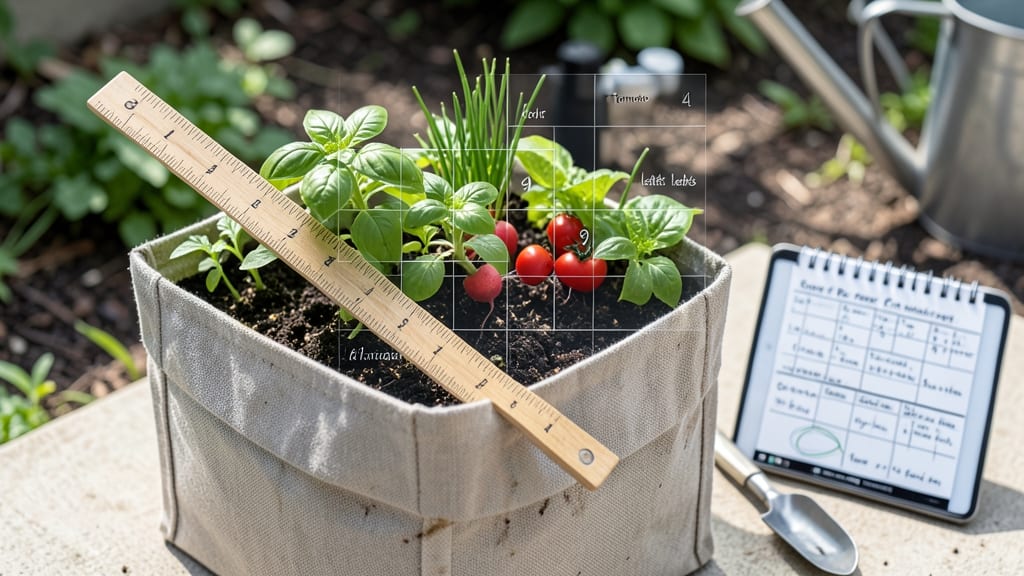
A sqft gardening chart helps you plan small-space gardens efficiently by allocating precise square footage to each plant based on its mature size and growth needs.
A sqft gardening chart isn't just about fitting more plants into tight spaces—it's about creating an environment where each plant thrives. 🌱 The key is understanding how much room different crops need to spread their roots and foliage without competing for sunlight or nutrients.
For instance, leafy greens like lettuce or spinach only require 1 square foot because they grow close to the ground, while tomatoes need 2-4 square feet to support their vines and fruit production. This system transforms even a 4'x8' raised bed into a high-yield garden when used correctly.
What makes these charts so valuable is their adaptability. You can adjust spacing based on your garden's conditions—like adding extra room for sprawling plants in windy areas or reducing it slightly for compact varieties.
Many gardeners start with pre-made templates but soon customize them to fit their specific climate and crop preferences. The beauty of square foot gardening is that it turns guesswork into a science, helping you grow more food in less space with less wasted effort.
💡 In This Article
- How to Calculate Plant Spacing Using Square Foot Gardening
- Free Square Foot Gardening Layout Templates by Crop Type
How to calculate plant spacing using square foot gardening
Square foot gardening relies on three core principles: root zone expansion, sunlight interception, and airflow circulation. Each plant's mature dimensions determine its spacing needs—think of it like assigning office cubicles based on how much desk space an employee needs.
For example, a basil plant's root system typically spreads 1 square foot horizontally, while its leaves reach upward to create a 12-inch canopy. This means you'd place one basil plant per square foot, with 12-inch spacing between plants to prevent shading of neighboring leaves.
The science gets interesting when you consider how plants compete for resources. Root vegetables like carrots need 2-3 square feet because their tapered roots require deeper soil penetration (often 6-12 inches deep) and wider spacing to prevent forked growth.
Meanwhile, sprawling plants like zucchini need 4 square feet not just for their vines but because their large leaves cast 24-inch shadows that would smother nearby plants. 🌿 What most gardeners overlook is that these measurements assume ideal conditions—adjust by 10-20% more space in shady areas or for drought-sensitive varieties.
Calculating spacing starts with measuring your garden's grid. Divide your bed into 1-foot squares using a string grid system—this creates a visual framework where each square represents a planting zone.
For each crop, check its mature width and height (found in seed packets or gardening guides) and assign it to squares accordingly. Pro tip: Use a 12-inch ruler to mark planting spots within each square to maintain precision.
This method ensures you're not just guessing but working with the plant's biological requirements.
Airflow is the unsung hero of proper spacing. Plants need circulation to prevent fungal diseases like powdery mildew, which thrives in humid, stagnant air.
That's why bush beans (which need 4-inch spacing) can be planted 9 per square foot—their compact growth allows for better airflow than a sprawling cucumber vine. The general rule is: the taller or leafier the plant, the more space it needs to "breathe."
For instance, a 6-foot tall sunflower would require 1 square foot just for its stem and leaves, plus additional space for its roots.
Seasonal adjustments matter too. Fast-growing plants like radishes (which mature in 30 days) can start in tight spacing (1 square foot) but should be thinned as they grow.
Meanwhile, slow growers like broccoli need their full 1 square foot from day one because their heads expand rapidly. The chart below shows how spacing varies by plant type:
- Leafy Greens: 1 sq ft (e.g., lettuce, spinach, kale)
- Herbs: 1 sq ft (e.g., basil, parsley, chives)
- Root Vegetables: 2-3 sq ft (e.g., carrots, beets, onions)
- Fruiting Plants: 2-4 sq ft (e.g., tomatoes, peppers, cucumbers)
- Tall Plants: 1 sq ft per foot of height (e.g., sunflowers, corn)
Here's what happens when you ignore these calculations: overcrowded plants develop weak stems, stunted growth, and increased susceptibility to pests. I once saw a tomato plant in a 1 sq ft space produce only 3 small fruits compared to a properly spaced plant yielding 20+ tomatoes.
The difference wasn't just quantity—it was quality. Proper spacing ensures each plant gets optimal sunlight, which directly impacts flavor and yield. 🌟