
Tools
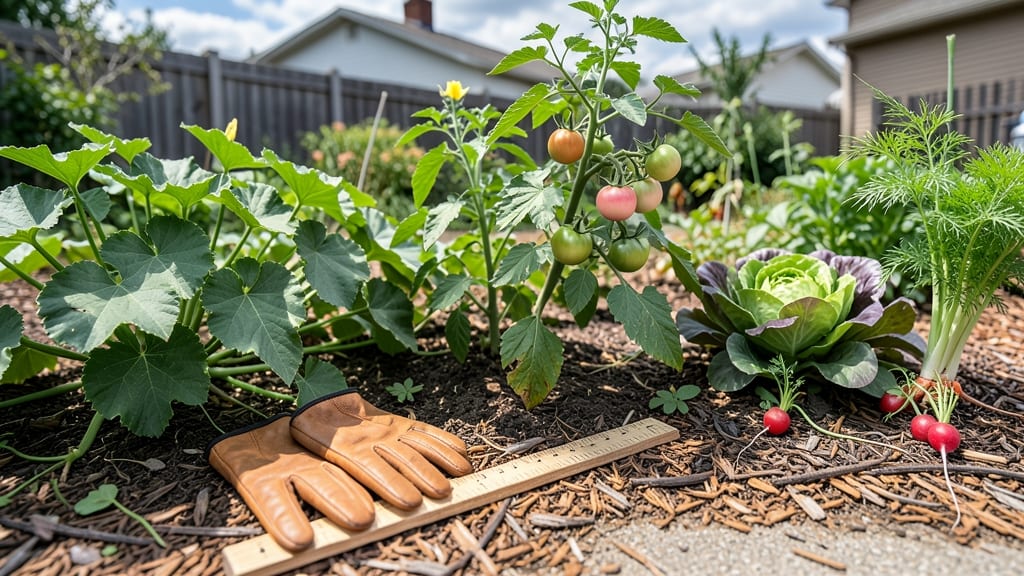
Planning the size of a garden requires matching your available space to plant types and harvest goals, accounting for root spread, sunlight exposure, and efficient spacing to prevent overcrowding while maximizing yield potential.
Your garden's size isn't just about how much space you have—it's about how you use it. 🌱 For example, a single tomato plant needs 16 square feet for proper air circulation, while leafy greens like lettuce thrive in just 4 square feet per row.
I've found that grouping plants with similar needs together (like herbs near tomatoes) not only saves space but also boosts growth through natural pest control. The key is balancing ambition with practicality—starting with a 10x10-foot plot for a family of four often covers basic needs without overwhelming beginners.
Don't forget that vertical space works wonders.
Trellises for vining plants like cucumbers or beans can cut your footprint by half while increasing production. 💫 Urban gardeners often use this strategy to grow more in less space, proving that size isn't the only factor—smart design makes a bigger difference than you'd think.
💡 In This Article
- Calculating Garden Space by Plant Type and Growth Habits
- Yield-Based Garden Sizing for Home Harvests
Calculating garden space by plant type and growth habits
Every plant has unique space requirements based on its growth habits and root systems. For example, a single indeterminate tomato plant needs 16 square feet to thrive—this accounts for its sprawling vines and deep root system that can reach 3-4 feet underground.
In contrast, basil, a compact herb, only needs 1 square foot per plant because its roots stay shallow and it grows in a tight bush. 🌿 The difference comes from how plants compete for nutrients: deep-rooted plants like carrots (which need 3-4 inches of soil depth) can't share space with shallow-rooted onions, which only require 1-2 inches.
Vertical growth habits dramatically change space calculations. Pole beans, for instance, grow 6-8 feet tall but only need 4 inches of space between plants when trellised—saving 90% of the horizontal space compared to bush beans.
Similarly, cucumbers can climb 10+ feet on a trellis while using just 1 square foot of ground space, versus 3 square feet when grown on the ground.
This vertical strategy isn't just about saving space; it also improves air circulation, reducing fungal diseases like powdery mildew that thrive in crowded, humid conditions.
Root zone depth matters just as much as surface area. Perennials like asparagus need 12-18 inches of soil depth to establish their crowns properly, while annuals like radishes only require 6-8 inches.
This is why asparagus beds take 2-3 years to mature—they're investing in deep root systems. 🌱 Meanwhile, shallow-rooted plants like lettuce can be interplanted with deeper-rooted plants like carrots in the same bed, a technique called "underplanting" that maximizes vertical space efficiency.
Companion planting further refines space calculations by grouping plants that benefit each other. The classic trio of tomatoes, basil, and marigolds fits perfectly in a 4x4-foot square: tomatoes get pest protection from marigolds and flavor enhancement from basil, while all three share the same sunlight and water needs.
This synergy means you're not just calculating square footage—you're designing an ecosystem where plants support each other's growth patterns, often reducing the total space needed by 20-30% through natural pest control and improved soil health.
Don't overlook the role of sunlight in these calculations. Leafy greens like spinach need 6-8 hours of sunlight daily but can tolerate partial shade, while tomatoes require full sun (8+ hours)**.
This means your garden's orientation matters: a north-south layout maximizes sunlight exposure in the Northern Hemisphere, while east-west rows work better in the Southern Hemisphere.
The angle of your garden beds can even affect microclimates—south-facing slopes get 20% more sunlight than flat ground, which can change your plant spacing needs by 10-15%.
For flowers, space requirements vary wildly: sunflowers need 1-2 square feet each due to their tall stems, while creeping thyme spreads 3 feet wide but only needs 1 foot of depth.
The key is matching flower types to their natural growth habits—climbing roses need trellises, while ground covers like ajuga spread aggressively but stay low. 🌼 This is where sketching your garden layout becomes invaluable: you can visualize how different growth patterns interact before committing to spacing.