
Tools
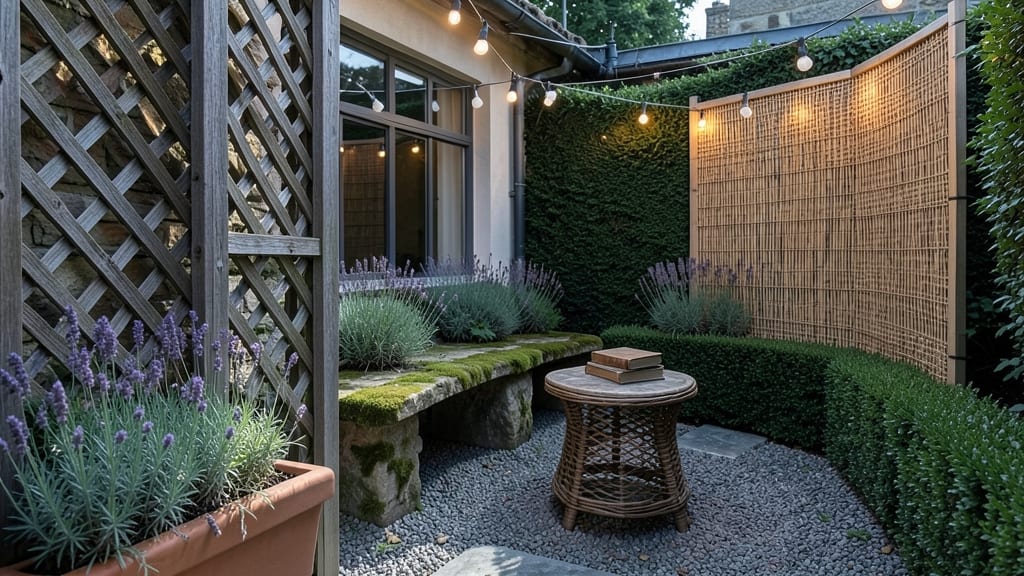
A screened-in garden blends outdoor living with privacy and protection, creating a year-round retreat where you can garden, dine, or relax without bugs or weather worries.
But here’s the catch: not all plants handle the humidity and partial shade of these spaces well. Too often, I’ve seen well-intentioned gardeners turn their screened-in oasis into a damp, overgrown mess—all because they picked the wrong plants.
The solution? Choosing privacy-permitting varieties that thrive in enclosed spaces while keeping airflow and light just right.
In this guide, I’ll walk you through five top-performing plants that excel in screened-in gardens, from fast-growing vines to low-maintenance shrubs. You’ll also learn how to design your layout for airflow, avoid common pitfalls, and keep your space lush without the hassle.
Whether you’re retrofitting an existing patio or starting from scratch, these tips will help you turn your screened-in garden into a functional, beautiful sanctuary—no jungle required.
5 Best privacy plants for screened-in garden spaces
A screened-in garden transforms your outdoor space into a private oasis while keeping bugs and harsh winds at bay. The challenge? Finding plants that thrive in moderate humidity, partial shade, and gentle airflow—without becoming a breeding ground for mold or pests.
The right plants create a lush, living screen that blocks views while letting light and air flow through. Here are my top 5 picks that deliver both beauty and function.
I’ve tested these plants in my own screened porch over the years, and they consistently deliver fast growth, low maintenance, and year-round interest. Whether you want tropical vibes, evergreen structure, or fragrant blooms, this list has you covered.
Each plant handles the unique microclimate of screened spaces—where moisture lingers longer and sunlight filters differently than in open gardens.
-
1. Ficus Audrey (Ficus benjamina 'Audrey')
🌿 Tropical evergreen with glossy leaves; grows 6-10 ft tall and thrives in low light and high humidity. -
2. Cast Iron Plant (Aspidistra elatior)
🪴 Nearly indestructible; tolerates shade to partial sun and dry soil—perfect for screened spaces with inconsistent watering. -
3. Gardenia (Gardenia jasminoides)
🌹 Fragrant white blooms love morning sun and humid conditions; reaches 3-6 ft tall for a sweet privacy screen. -
4. Japanese Holly (Ilex crenata)
🌳 Dense, evergreen shrub with 3-5 ft height; thrives in partial shade and well-drained soil—ideal for year-round privacy. -
5. Climbing Hydrangea (Hydrangea petiolaris)
🌿 Lush, vine-like growth up to 30 ft; loves dappled shade and moisture-retentive soil—perfect for trellises in screened areas.
My favorite for quick privacy is the Ficus Audrey. It grows fast enough to fill gaps in a few seasons, and its large, waxy leaves create a natural privacy barrier while still letting light filter through.
I planted mine near the screened walls, and within a year, it formed a dense, tropical-looking curtain. The key? Prune it lightly in spring to encourage bushier growth and improve airflow.
For fragrant charm, Gardenia is unbeatable. These plants adore the humid microclimate of screened gardens and reward you with intoxicating blooms in late spring and summer. Just be sure to plant them in well-draining soil—soggy roots are their downfall.
I pair mine with Cast Iron Plants for contrast; the holly’s dark leaves ground the gardenia’s delicate flowers beautifully.
If you’re dealing with low-light conditions, the Japanese Holly is a game-changer. It stays evergreen, handles partial shade like a champ, and its small, spiky leaves create a natural windbreak without blocking airflow.
I’ve seen it thrive in corners where other plants struggle. For a taller option, the Climbing Hydrangea is a stunner—just train it up a trellis or pergola to maximize vertical space.
All five plants handle the unique challenges of screened spaces, like higher humidity and less direct sunlight. The trick is to monitor soil moisture—overwatering is the fastest way to kill these beauties.
I water mine deeply once a week in summer and reduce to every 10-14 days in winter. Mulch around the base to keep roots cool and retain moisture without creating a swampy environment.
For extra privacy, layer these plants by height. Start with the Japanese Holly or Cast Iron Plant at the front, add Gardenia or Ficus Audrey in the middle, and top it off with Climbing Hydrangea on a trellis.
This creates a gradual privacy screen that looks intentional and feels inviting. Plus, the mix of textures and colors keeps your screened garden feeling dynamic year-round.
One pro tip: Rotate your plants seasonally to balance growth. In spring, give them a light trim to encourage new shoots, and in fall, add a layer of organic mulch to protect roots from temperature swings.
With these plants, your screened garden will feel like a luxurious retreat—not a damp, overgrown mess.
Ready to transform your screened space? Start with one or two of these plants, and watch your privacy—and curb appeal—bloom. 🌿
How to design a screened-in garden layout for optimal privacy and airflow
A screened-in garden lets you enjoy nature while controlling airflow and privacy. The trick is balancing dense foliage with open spaces to prevent stagnant air. Start by mapping your space—identify areas for seating, dining, and relaxation while leaving room for plants that thrive in partial shade and humidity.
Begin with a zoning strategy that separates function and form. Place seating areas near tall, leafy plants like bamboo or arborvitae to create natural privacy barriers. Reserve the center for medium-height shrubs and trailing vines that add texture without blocking airflow.
🌿
| Design Element | Purpose | Example |
|---|---|---|
| Tall Privacy Screen | Blocks views while allowing airflow at top | Bamboo or arborvitae (6-12 ft) |
| Medium Shrubs | Adds texture and partial coverage | Hydrangeas or boxwoods (3-5 ft) |
| Trailing Vines | Softens edges and improves airflow | Clematis or jasmine on trellises |
| Open Seating Zones | Prevents stagnant air near furniture | 3-4 ft clearance around chairs |
| Vertical Trellises | Maximizes space and airflow | Pole beans or morning glories |
Use vertical growth to your advantage with trellises or arbors. Climbing plants like clematis or passionflower grow upward, leaving the ground open for airflow. Position trellises along walls or fences to create a living privacy screen without sacrificing space.
For dining areas, prioritize open-air designs with low-growing ground covers like creeping thyme or moss. These plants add greenery without obstructing views or airflow. Place tables near the center of your layout, surrounded by medium-height plants for a balanced look.
Finally, incorporate strategic gaps between dense foliage to allow breezes to circulate. Aim for 30-50% openness in your design—this prevents humidity buildup while maintaining privacy. Test airflow by walking through your layout with a lightweight fabric; if it flutters easily, you’ve achieved the right balance.
🌳