
Tools
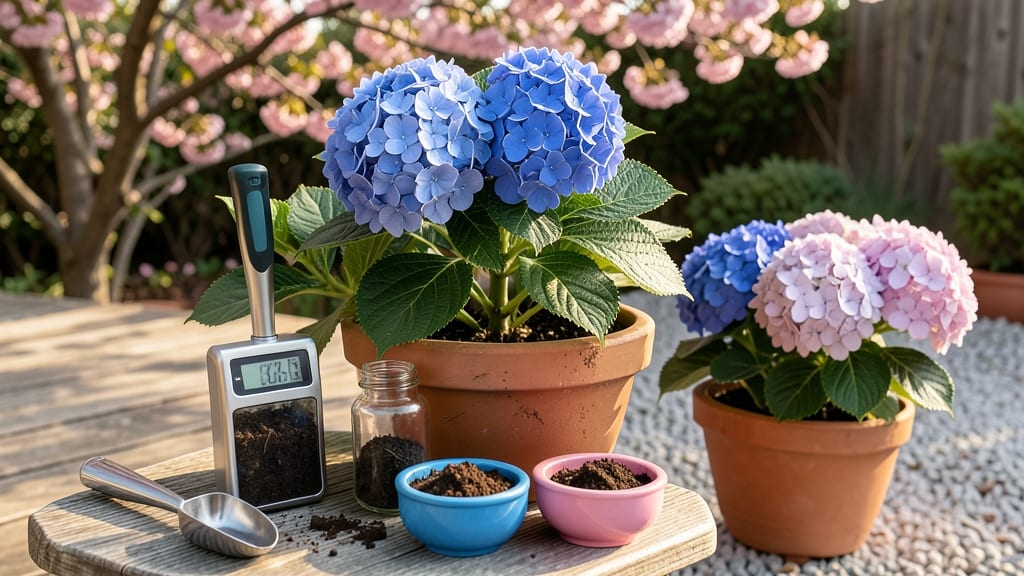
Understanding pH in gardening determines plant health, since soil acidity or alkalinity directly controls nutrient absorption—most vegetables grow best in slightly acidic to neutral soil (6.0–7.0), while acid-loving plants like blueberries and azaleas require pH levels between 4.5–5.5. Testing with a reliable kit or digital meter before planting ensures you optimize growing conditions.
Soil pH isn't just a number—it's the foundation of your garden's success. 🌱 A pH imbalance can lock out essential nutrients like nitrogen or iron, even if they're present in the soil, leading to yellowing leaves or stunted growth.
For example, tomatoes thrive at a pH of 6.0–6.8, while potatoes prefer slightly more acidic soil around 5.0–6.0. The good news? Adjusting pH is straightforward once you know your baseline. I always recommend testing in spring and fall to catch seasonal shifts that might affect your plants.
Most gardeners start with a simple test kit, which uses color-changing indicators to show pH levels. Digital meters offer precision but require calibration, while liquid tests are budget-friendly and easy to use. 💡 Pro tip: Test multiple spots in your garden since pH can vary by just a few feet.
If your results show a pH outside your plants' ideal range, you can gradually adjust it with garden lime to raise pH or elemental sulfur to lower it—just remember, changes take time, usually 2–3 months for noticeable shifts.
💡 In This Article
- How Soil pH Affects Plant Growth and Nutrient Uptake
- Best Soil pH Testing Tools and How to Use Them
How soil pH affects plant growth and nutrient uptake
Soil pH fundamentally controls what nutrients your plants can absorb, acting like a gatekeeper for essential elements. When soil is too acidic (below 5.5), critical nutrients like phosphorus and calcium become locked away as insoluble compounds, while aluminum and manganese—harmful in excess—become more available.
Conversely, alkaline soil (above 7.5) binds iron and zinc into forms plants can't use, causing yellowing leaves (chlorosis) even when these nutrients exist in the soil. 🌱
The ideal pH range for most garden vegetables—6.0–7.0—strikes a balance where nitrogen, phosphorus, and potassium remain soluble and accessible.
Take tomatoes as an example: at pH 6.5, they absorb calcium efficiently, preventing blossom-end rot, but drop the pH to 5.0, and iron deficiency (interveinal chlorosis) becomes common.
Blueberries, however, thrive at pH 4.5–5.5, where their root systems can access the iron they need for vibrant foliage and fruit production.
Microbial activity in the soil also depends on pH, with beneficial bacteria and fungi flourishing in slightly acidic to neutral conditions. These microbes break down organic matter, releasing nutrients in forms plants can use. For instance, mycorrhizal fungi—critical for phosphorus uptake—struggle in highly alkaline soils, weakening plant roots.
This microbial connection explains why adjusting pH isn't just about nutrients; it's about creating an entire ecosystem where plants and soil life can coexist harmoniously.
Visual clues often reveal pH-related issues before they become severe. Yellowing leaves with green veins typically signal iron deficiency in alkaline soil, while purple stems in tomatoes indicate phosphorus starvation in acidic conditions.
Even soil texture changes: clay soils often become more compacted at extreme pH levels, reducing aeration and root growth. Testing pH before planting lets you intervene proactively, whether by amending soil or selecting plants suited to your natural conditions.
Consider the case of azaleas, which refuse to bloom in soil above pH 6.0 due to iron and boron unavailability. Their bright flowers are a direct result of optimal pH management.
Meanwhile, lawn grasses like fescue (ideal pH 6.0–7.0) show brown patches when soil becomes too acidic, as nitrogen becomes tied up in forms the grass can't access. These examples highlight why pH isn't just a technical detail—it's the invisible force shaping your garden's success or failure.
For gardeners, understanding pH means thinking beyond the plants themselves. It's about creating a dynamic system where roots, microbes, and soil chemistry work together. The key takeaway?
A simple pH test before planting can save you from months of puzzling over why your plants look unhealthy—even when you're providing the right fertilizer. 💡