
Tools
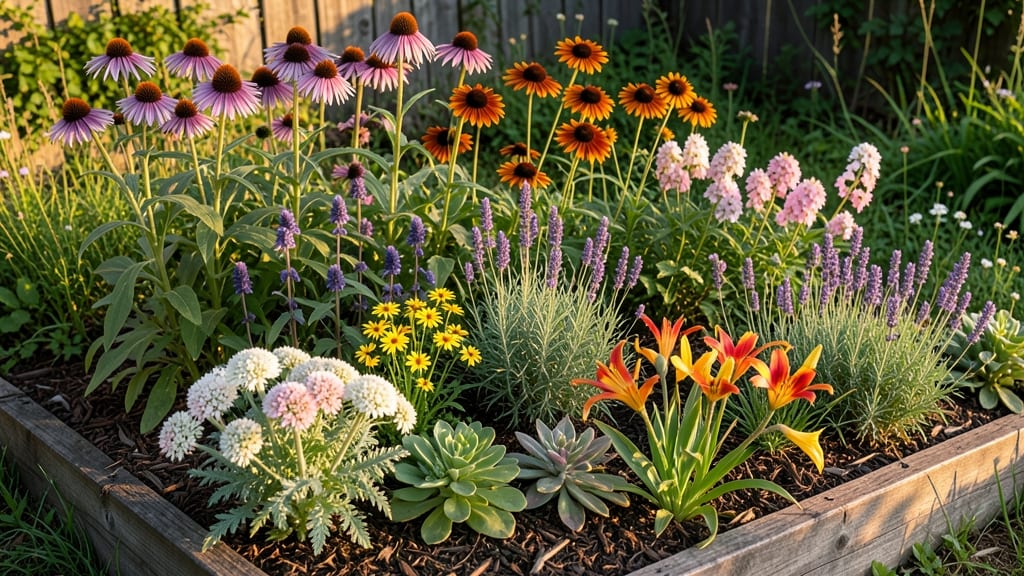
Creating a perennial garden mix involves strategic layering by height—placing tall perennials (3–6 ft) at the back, mid-height (1–3 ft) in the middle, and low-growing (under 1 ft) at the front—to maximize visual appeal and ensure each plant thrives with proper sunlight and airflow.
A well-planned perennial garden mix isn't just about aesthetics—it's about creating a thriving ecosystem where each plant has space to grow and shine. 🌿 The key is thinking about mature heights, not just how they look now.
For example, a 3-foot shrub might seem perfect for the middle layer, but if it grows to 5 feet, it'll block sunlight for your front-row plants. I always recommend sketching your design first and labeling each plant's mature dimensions to avoid costly mistakes later.
Another smart move is to mix plants with different bloom times. This ensures your garden stays vibrant from early spring through late fall, with some varieties offering foliage interest even when they're not flowering.
For instance, heuchera (coral bells) provides striking foliage year-round, while coneflowers and black-eyed Susans bring summer color. The right mix keeps your garden dynamic and reduces the need for seasonal replacements.
💡 In This Article
- How to Layer Perennial Plants by Height for Visual Balance
- Best Perennial Mixes for Different Climates and Sunlight Conditions
How to layer perennial plants by height for visual balance
Layering perennials by height isn't just about looks—it's about creating a functional ecosystem where each plant gets the sunlight and airflow it needs to thrive. The "rule of thirds" applies here: divide your garden into three distinct zones based on mature plant heights.
For example, a 5-foot hollyhock at the back shouldn't compete with a 1-foot creeping thyme at the front. This spacing prevents taller plants from casting permanent shade on shorter ones, which can stunt their growth or cause them to become leggy. 🌿
The magic happens in the calculations. Most perennial plants require 12-18 inches of space between their mature crowns to prevent overcrowding. For instance, if you're planting 3-foot salvia in the middle layer, place it 2 feet away from the front edge and 2 feet from the back row.
This creates a natural depth that guides the eye through the garden while ensuring each plant has room to spread its roots.
Pro tip: Use a tape measure to mark these distances before planting—trust me, it saves headaches later when you realize your 4-foot bee balm is smothering your 2-foot lavender.
Seasonal interest is where this layering truly shines. The back layer should feature plants with vertical structure—think 6-foot delphiniums or 5-foot Joe Pye weed—that add height and drama.
The middle layer can include 2-3 foot plants like shasta daisies or catmint that bloom mid-season, while the front layer might feature 6-inch ajuga or heuchera that provide year-round foliage color.
This tiered approach ensures your garden has visual appeal in every season, from early spring blooms to late fall seed heads.
Airflow is another critical factor often overlooked. Tightly packed perennials create microclimates that trap moisture, inviting fungal diseases like powdery mildew. The 12-inch spacing rule helps prevent this by allowing air to circulate between plants.
For example, 3-foot phlox needs more space than 1-foot sedum because its larger leaves create more shade at the base. This airflow is especially important in humid climates where fungal spores thrive. 🌬️
Light penetration is the final piece of the puzzle. The front row should receive at least 6 hours of sunlight daily, while middle and back rows might tolerate 4-6 hours depending on the plant.
For instance, black-eyed Susans in the middle layer can handle partial shade, but daylilies in the front need full sun. Always research each plant's light requirements before finalizing your layout—this ensures your garden thrives without constant adjustments.
Here's a pro move: Use mulch to define your layers. A 3-inch layer of organic mulch not only suppresses weeds but also creates visual separation between height zones. For example, a darker mulch around the back row contrasts with lighter mulch in the front, enhancing the depth perception.
Plus, mulch helps regulate soil temperature, which is especially beneficial for shallow-rooted front-row plants like creeping phlox that prefer cooler soil.