
Planting
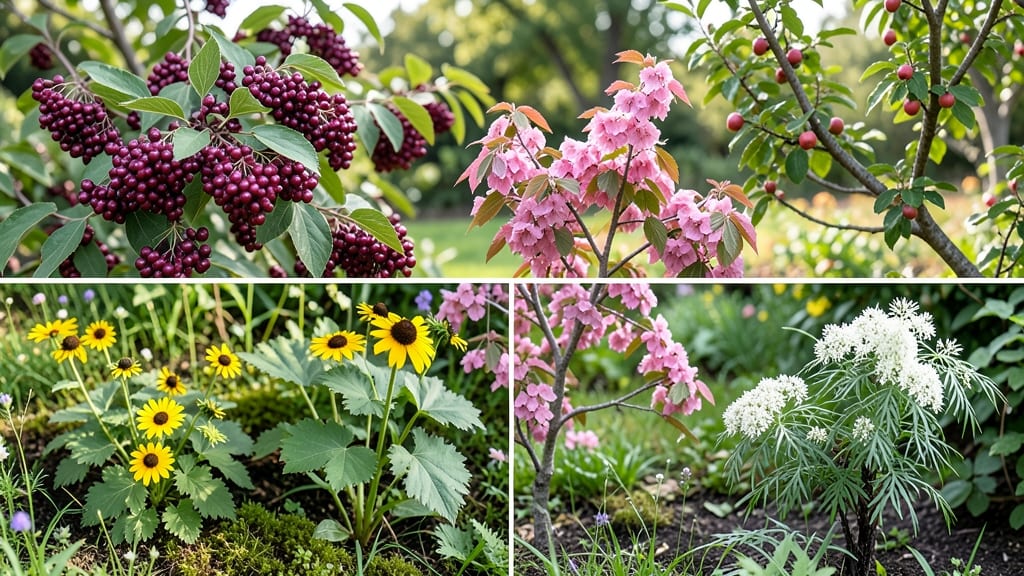
North Carolina gardening zones span 6a to 8b, with coastal regions typically falling into 7b-8b and mountainous areas in 6a-7a. These zones help gardeners select plants that survive winter temperatures in their specific location.
Understanding your North Carolina gardening zone is key because it directly impacts which plants will thrive in your yard.
The USDA map divides the state into these zones based on average annual minimum temperatures, but local factors like elevation, proximity to water, and even building materials can create microclimates that shift your effective zone by a letter or two. 🌿 For example, a backyard in Asheville (Zone 7a) might support different perennials than one in Wilmington (Zone 8a), even though they're only 300 miles apart.
I always recommend checking the interactive USDA map and comparing it with observations from your own garden over several years.
This zone system isn't just about cold tolerance—it also helps predict how plants will handle heat and humidity. Coastal areas, for instance, often experience higher summer temperatures than inland zones, which can stress heat-sensitive plants.
The good news is that North Carolina's diverse geography means you can grow everything from cold-hardy blueberries in the mountains to citrus trees along the coast—if you choose the right varieties for your specific zone.
💡 In This Article
- How North Carolina’s Plant Hardiness Zones Work
- Best Plants for Each North Carolina Gardening Zone
How North Carolina’s plant hardiness zones work
The USDA Plant Hardiness Zone Map divides North Carolina into zones based on the average annual minimum winter temperature, measured in 10°F increments. For example, Zone 7a has average lows of -5°F to 0°F, while Zone 8b ranges from 15°F to 20°F.
These temperature bands determine which plants can survive winter dormancy in your area—cold-sensitive citrus trees won’t make it in Zone 6a, but they thrive in coastal Zone 8a. The map uses 30-year climate data (updated every 10 years), ensuring it reflects long-term trends rather than short-term fluctuations.
Elevation plays a critical role in North Carolina’s zones. For every 1,000 feet gained in altitude, temperatures drop by about 3.5°F. That’s why the Blue Ridge Mountains (Zone 6a-7a) can be 5-10°F colder than nearby Piedmont valleys (Zone 7b-8a).
Coastal areas benefit from the "heat island" effect of the Atlantic Ocean, keeping temperatures milder—Wilmington’s Zone 8a averages 18°F minimums, while nearby Raleigh (Zone 7b) drops to 10°F. Microclimates further complicate things: a south-facing wall can create a Zone 8 microclimate in an otherwise Zone 7 yard.
To find your exact zone, start with the interactive USDA map, then verify with local resources. Extension offices often provide hyper-local adjustments, and garden centers can offer insights based on years of customer observations.
For instance, a Zone 7a garden in Asheville might successfully grow crape myrtle (Zone 7), while the same plant struggles in a Zone 6a mountain valley just 20 miles away.
Pro tip: Use a minimum thermometer for 3-5 winters to track your yard’s true coldest temperatures—this can reveal if your microclimate is warmer or colder than the official zone.
North Carolina’s zones also influence summer heat tolerance. While coastal areas (Zones 7b-8b) handle humidity better, inland zones (6a-7a) may need shade for heat-sensitive plants.
The 100°F+ summers in the Piedmont can stress tropical plants, even in Zone 8a. This is why native plants like black-eyed Susans (Zone 3-9) thrive statewide—they’re adapted to NC’s humid subtropical climate with its distinct seasonal shifts.
Understanding these patterns helps you choose plants that not only survive winter but also perform well year-round.
What most gardeners overlook is how urban heat islands can shift zones by a letter. Pavement and buildings absorb heat, raising nighttime temperatures by 5-10°F in cities like Charlotte (Zone 8a). This means urban gardeners can sometimes grow Zone 9 plants like dwarf citrus with winter protection.
Conversely, rural areas with more tree cover may experience cooler microclimates. Always test new plants in containers first to see how they handle your specific conditions before committing to permanent planting.
For practical application, think of zones as a starting point, not a rigid rule. The 10°F difference between Zone 7a and 7b might seem small, but it determines whether peach trees (Zone 5-9) produce fruit reliably or struggle to set buds.
Similarly, hydrangeas (Zone 3-9) may need winter mulch in Zone 6a but thrive unprotected in Zone 8a. This is why experienced NC gardeners often say, "Zone recommendations are a guide, but your yard tells the real story." 🌱