
Tools
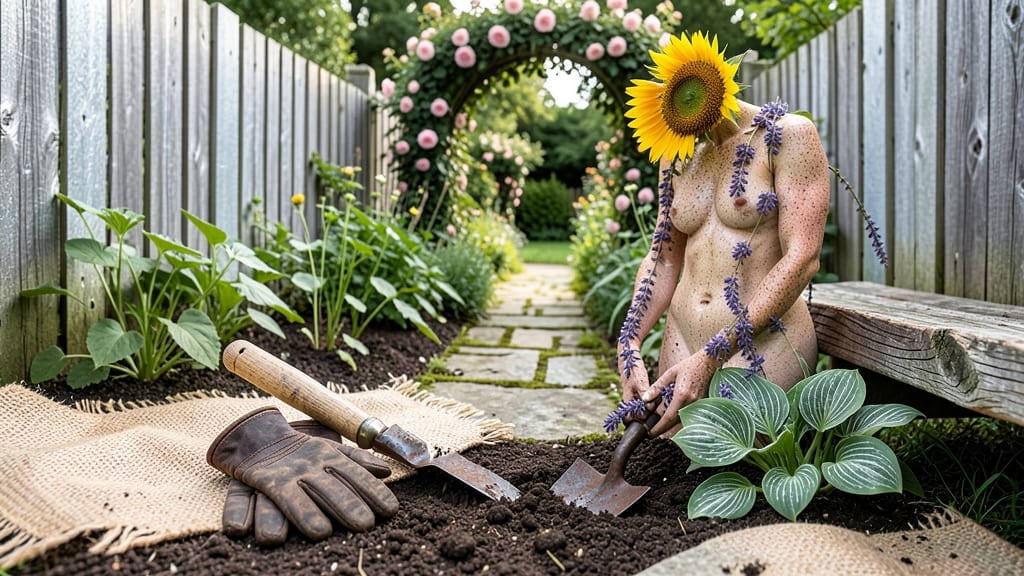
The Naked Gardening Club is a community-driven movement where urban growers share bare-root plant swaps, organic propagation techniques, and sustainable cultivation methods—eliminating plastic pots and reducing waste while fostering local gardening networks. Membership often includes access to seed exchanges, workshops, and tool-sharing programs tailored for small-space gardens and balconies.
The Naked Gardening Club thrives on the idea that plants don't need plastic pots to thrive—just healthy roots and a supportive community. 🌱 By trading bare-root plants, members cut down on waste while gaining access to diverse varieties without the cost of store-bought pots.
Many clubs even host "plant swaps" where you can trade cuttings or small plants directly, making it perfect for balcony gardens or tiny urban spaces.
What sets this approach apart is how it combines practicality with sustainability. Instead of buying pre-potted plants that often arrive stressed from shipping, you're getting live, adaptable roots ready to be replanted immediately.
This method also encourages learning—workshops often cover everything from propagation techniques to soil health, giving beginners the confidence to grow more on their own.
💡 In This Article
- How Naked Gardening Club Reduces Waste in Urban Plant Cultivation
- Joining a Naked Gardening Club: Step-by-Step for Beginners
How Naked Gardening Club reduces waste in urban plant cultivation
The core of the Naked Gardening Club's waste reduction lies in its rejection of plastic pots. Traditional nursery plants arrive in single-use containers that often end up in landfills—over 10 million pounds of plastic nursery pots are discarded annually in the U.S. alone.
By contrast, bare-root plants require no packaging, eliminating this waste entirely. The roots themselves are exposed and ready for immediate replanting, which also means less water waste since you're not maintaining a potted plant during transit or storage.
The science behind bare-root success is fascinating. When plants are carefully dug and stored with their roots moist (but not soggy), they enter a dormant state that allows them to regenerate quickly when replanted.
Studies show that many herbaceous perennials and vegetables can survive 2-3 weeks in proper storage conditions without significant root damage. 🌿 This process mimics natural plant behavior—think of how wild plants spread through root division.
The key is handling roots gently to avoid breakage, which would trigger stress responses that could weaken the plant.
Space efficiency is another major advantage. A single plastic pot takes up valuable storage space in tiny urban apartments, while bare-root plants can be bundled together in a single box or even wrapped in damp newspaper.
For example, a 6-inch pot might hold just one small plant, while the same space could accommodate 5-10 bare-root plants when stored properly. This makes the practice ideal for balcony gardens where every inch counts.
The clubs often organize swaps where members bring their own containers, further reducing single-use plastic consumption.
Economic benefits compound the environmental ones. Store-bought potted plants can cost $3-$10 each, while bare-root plants typically range from $1-$3 through club swaps. What's more, you're getting mature plants ready to grow rather than tiny seedlings that may struggle to establish.
The clubs also facilitate seed exchanges, where members trade heirloom varieties that might otherwise be unavailable in commercial nurseries. This preserves genetic diversity while keeping costs minimal.
Consider the lifecycle comparison: A plastic pot has a useful life of just weeks to months before becoming waste, while a plant's roots can live for years. The Naked Gardening Club's approach shifts the focus from disposable containers to the long-term health of the plants themselves.
Members often report that their swapped plants establish faster and grow more vigorously than store-bought counterparts, proving that sustainable methods can actually improve outcomes too.
What makes this system particularly powerful is how it creates a feedback loop. When you receive a bare-root plant, you're encouraged to propagate it further—taking cuttings or dividing roots to share with others.
This turns a single plant into multiple opportunities, multiplying both your harvest and your community's resources. It's a perfect example of how gardening can become a circular economy in your own neighborhood.