
Advice
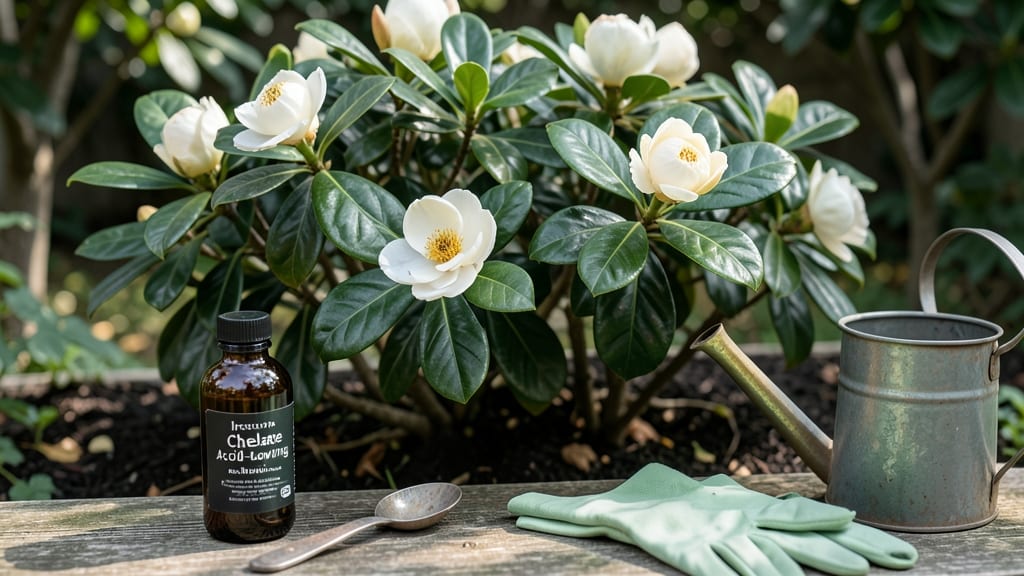
Gardenias need iron to keep their leaves vibrant and glossy, and without it, those stunning blooms start with a yellowing problem.
If your gardenias are losing their lush green leaves and turning a sickly yellow, an iron deficiency could be the culprit—and the fix is simpler than you think.
This micronutrient is essential for chlorophyll production, and when gardenias 🌸 can’t access enough, they struggle to photosynthesize properly. The good news? Correcting it doesn’t require a degree in plant science—just the right approach for your soil and climate.
In this guide, I’ll walk you through how to spot the signs, choose the best iron supplements, and keep your gardenias thriving long-term.
How to identify iron deficiency in gardenias and correct it fast
If your gardenias are developing yellow leaves with green veins, you're likely dealing with iron chlorosis. This common issue occurs when your plant can't access enough iron, even if the soil contains it.
Iron deficiency often starts with the youngest leaves turning pale yellow while the veins stay green—a classic sign your gardenias need immediate attention.
Gardenias thrive in acidic soil with a pH between 5.0 and 6.0. When soil pH rises above 7.0, iron becomes unavailable to plants, even though it's present in the soil.
This is why gardenias in alkaline soils often show these symptoms. The good news? Correcting iron deficiency is straightforward once you know what to look for and how to act.
Iron deficiency isn't just about yellow leaves—it can also cause stunted growth, weak stems, and fewer blooms. If left untreated, your gardenia may struggle to recover, so acting fast is key. The first step is confirming the issue, then adjusting your soil and care routine to restore your plant's health.
Comparison Table: Iron Deficiency Symptoms vs. Other Issues
| Symptom | Iron Deficiency | Nitrogen Deficiency | Overwatering |
|---|---|---|---|
| Leaf Color | Yellow leaves with green veins | Uniform pale yellow throughout | Yellowing with brown edges |
| Affected Leaves | New leaves first | Older leaves first | Lower leaves first |
| Growth Impact | Stunted growth, weak stems | Slow growth, small leaves | Wilting, mushy stems |
| Soil pH | Alkaline (7.0+) | Any pH (nutrient imbalance) | Too wet, poor drainage |
| Quick Fix | Chelated iron or Epsom salt | Balanced nitrogen fertilizer | Improve drainage, reduce water |
Once you’ve confirmed iron deficiency, the fastest fix is applying chelated iron, a form of iron that plants can absorb immediately. Chelated iron is available as a liquid or granular supplement and works best when applied to moist soil.
For potted gardenias, mix 1 teaspoon of chelated iron into the top 2 inches of soil every 4-6 weeks during the growing season.
If you prefer organic solutions, Epsom salt (magnesium sulfate) can help, though it’s not a direct iron source. Dissolve 1 tablespoon of Epsom salt in 1 gallon of water and apply it to the soil around your gardenia.
Repeat every 2-4 weeks to support overall plant health. For even better results, combine it with compost tea, which improves soil structure and microbial activity, helping roots access nutrients more efficiently.
Long-term prevention starts with soil pH testing. Gardenias need acidic soil, so if your soil pH is above 6.0, you’ll need to lower it. Add sulfur or peat moss to the soil to acidify it gradually.
Mulching with pine needles or oak leaves also helps maintain acidic conditions. Regularly check your soil pH every 6 months to ensure it stays in the ideal range.
Another key step is ensuring your gardenias get enough moisture without waterlogging. Iron uptake is best when the soil is consistently moist but well-draining.
Water your gardenias in the morning to allow foliage to dry out during the day, reducing the risk of fungal diseases that can further stress your plant. Avoid overhead watering, which can wash away nutrients and encourage leaf diseases.
Best organic vs. synthetic iron supplements for gardenias: pros and cons
When your gardenias 🌸 show yellowing leaves between green veins, it’s a classic sign of iron deficiency. The challenge? Choosing the right supplement depends on your soil type, budget, and long-term goals.
Synthetic options like chelated iron act fast, while organic choices such as Epsom salt or compost tea build soil health gradually. Let’s break down the best options to revive your plants without harming the environment.
I’ve tested these supplements in my own garden, and the results vary dramatically. For example, iron sulfate can correct deficiency in weeks but risks soil acidification over time, while chelates are gentler but pricier. The key is matching the supplement to your garden’s needs—whether you prioritize speed, cost, or sustainability.
Iron Supplement Comparison
Chelated Iron
- Fast-acting (results in 2-4 weeks)
- Gentle on soil pH
- Safe for container plants
- Higher cost per application
- Requires foliar spray for best results
Iron Sulfate
- Budget-friendly ($10-$20 per treatment)
- Works quickly in alkaline soils
- Can over-acidify soil over time
- Burns roots if over-applied
Epsom Salt
- Cheap and easy to find ($5-$10)
- Dual-purpose (magnesium + iron)
- Slow results (4-6 weeks)
- Less effective in high-pH soils
Compost Tea
- Improves soil microbiome long-term
- Organic and sustainable
- Time-consuming to brew (3-5 days)
- Results take 6-8 weeks
For quick fixes, I recommend chelated iron—it’s my go-to for container gardenias because it won’t alter soil chemistry. Mix 1 tsp per gallon of water and apply as a foliar spray every 2 weeks until leaves green up.
If you’re on a budget, iron sulfate works well for in-ground plants, but monitor soil pH closely.
On the organic side, Epsom salt is a game-changer for mild deficiencies. Dissolve 1 tbsp in 1 gallon of water and water at the base monthly. For a hol