
Tools
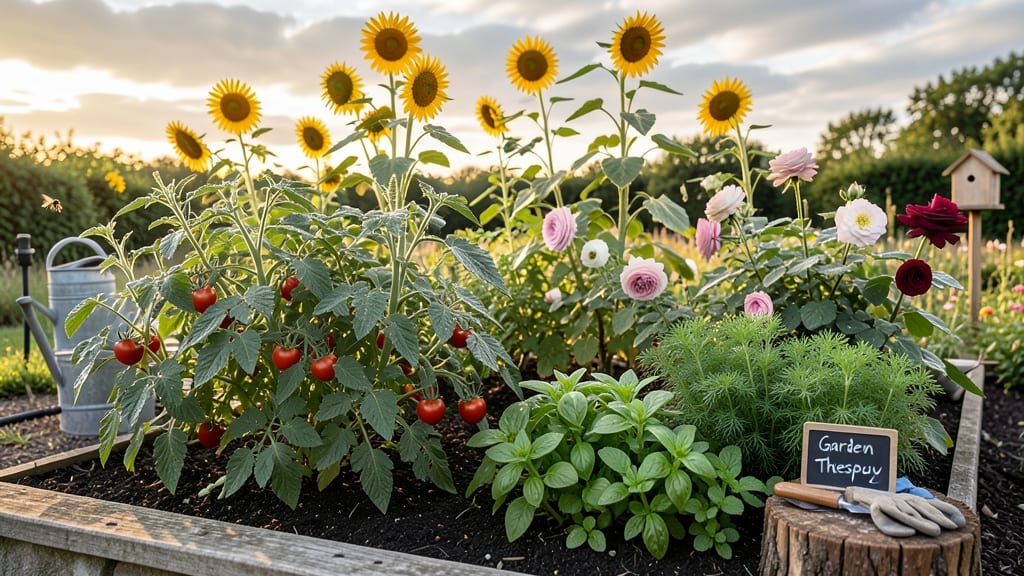
The importance of gardens lies in their power to enhance mental well-being by reducing stress and anxiety, while also supplying fresh, nutrient-rich produce that strengthens food security—especially in cities or areas with limited access to healthy options. They create spaces that uplift moods and build community through shared green environments.
Gardens aren't just patches of green—they're living laboratories for both body and mind. 🌱 Studies show that spending just 20 minutes in a garden can lower cortisol levels by up to 37%, making them natural stress relievers.
The act of tending plants also triggers mindfulness, as the repetitive motions of planting and harvesting create a meditative rhythm. Urban gardens, in particular, combat food deserts by putting fresh produce within walking distance, which research links to better overall health outcomes.
Beyond personal benefits, gardens serve as social hubs. Community plots in neighborhoods reduce isolation by bringing people together, while school gardens teach kids about nutrition and sustainability. Even small container gardens on balconies can grow herbs and greens that cut grocery bills by 20-30%.
The real magic? Gardens adapt to any space—whether it's a backyard, rooftop, or repurposed parking strip.
💡 In This Article
- How Gardens Boost Mental Health Through Nature Therapy
- Creating a Sustainable Garden for Food Security and Self-Sufficiency
How gardens boost mental health through nature therapy
Gardens act as natural antidepressants by triggering the body's relaxation response. When you garden, your brain releases endorphins—the same chemicals that create runner's high—while simultaneously reducing cortisol, the stress hormone.
Research from the University of Michigan found that gardening for just 30 minutes lowered cortisol levels by 24%, comparable to a 45-minute walk. The tactile experience of touching soil also activates the parasympathetic nervous system, which counters fight-or-flight responses and puts your body into a rest-and-digest state.
The sensory engagement with plants creates a multi-modal therapy experience. The aroma of basil or lavender stimulates the olfactory system, which is directly linked to memory and emotion centers in the brain.
Visually, the colors green and blue (found in foliage and flowers) have been shown to reduce eye strain and mental fatigue by up to 60% compared to urban environments.
Even the rhythmic sounds of rustling leaves or water features in garden ponds create what's called "soundscaping," which lowers heart rates and blood pressure—similar to the effects of meditation. 🌿
This connection to nature taps into what scientists call biophilia, our innate human affinity for life and living systems. Studies in Japan found that shinrin-yoku (forest bathing) participants showed increased activity in brain regions associated with empathy and compassion after just two hours.
Gardens provide this same benefit in miniature, making them accessible to everyone. The physical activity of gardening—digging, planting, weeding—also boosts serotonin levels, which improves mood and sleep quality.
For those with anxiety disorders, the repetitive nature of tasks like pruning or harvesting creates a form of "active meditation" that distracts from intrusive thoughts.
What makes garden therapy particularly powerful is its adaptability. A 10-square-foot container garden on a balcony can provide the same mental health benefits as a half-acre plot, as long as it's actively tended. The key is the mindful engagement with the growing process.
Research from the Royal Horticultural Society found that even urban dwellers with just one potted herb plant reported 20% lower perceived stress levels after three months. The act of nurturing something from seed to harvest creates a tangible sense of accomplishment that traditional therapies often lack.
Neuroscientific studies reveal another fascinating benefit: gardening stimulates the prefrontal cortex, the brain region responsible for decision-making and problem-solving. When you plan a garden layout or troubleshoot plant diseases, you're engaging in what's called "executive function" exercise.
This mental workout can improve cognitive function in older adults by up to 30%, according to studies from the University of California.
The combination of physical movement, sensory stimulation, and mental engagement creates what psychologists call a "flow state"—that optimal experience where you lose track of time while completely absorbed in an activity. 💫
For those struggling with depression, gardens offer a unique form of social connection without the pressure of face-to-face interaction. Community gardens, in particular, have been shown to reduce loneliness by providing structured social opportunities.
A study in the journal BMC Public Health found that participants in community gardening programs reported 40% higher social cohesion within their neighborhoods. Even solitary gardening benefits mental health by providing a predictable routine, which is crucial for those with mood disorders.
The visual progress of watching plants grow serves as a natural form of positive reinforcement, creating a feedback loop that boosts motivation and self-esteem.