
How To
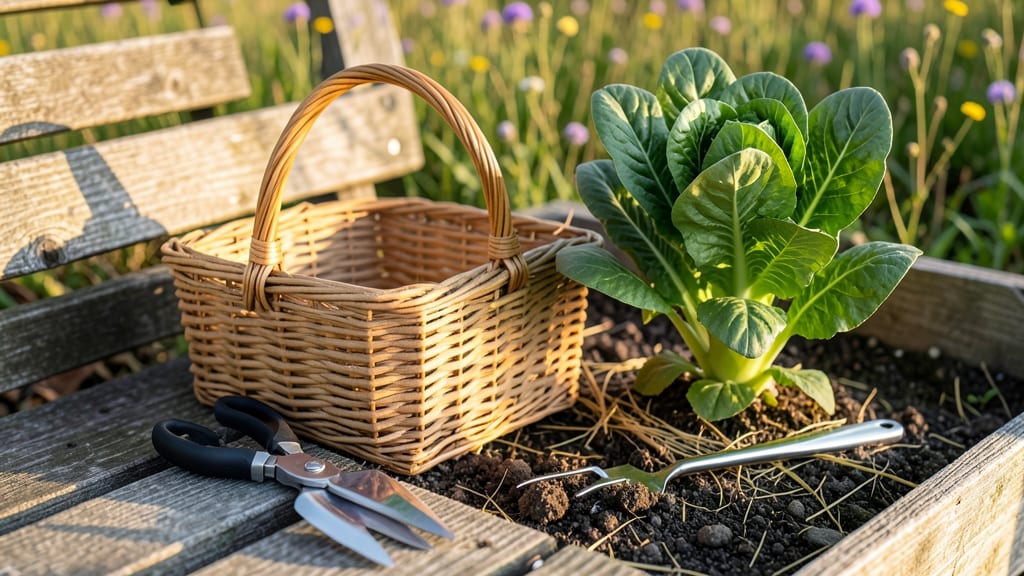
Harvesting lettuce from your garden at the right time ensures crisp, flavorful leaves and keeps your plants thriving 🥬—but one wrong cut can turn your bounty into bitter disappointment.
Picture this: you’ve nurtured your lettuce for weeks, only to pull a leaf that tastes like cardboard or watch your plant bolt into flower stalks. The key isn’t just when you harvest—it’s how.
In this guide, I’ll walk you through the exact signs to look for (like leaf size and color) and the step-by-step techniques to pick lettuce without harming the plant. You’ll also learn how to store your harvest and avoid common mistakes that waste your hard work.
By the end, you’ll know the perfect timing for both leaf and head lettuce, plus how to encourage regrowth so your garden keeps giving—all while keeping your greens fresh and delicious.


When to harvest lettuce for optimal flavor and growth
Harvesting lettuce at the right time ensures maximum flavor and prevents your plants from becoming bitter or bolting.
The key is understanding your lettuce type—whether it’s leaf lettuce, head lettuce, or romaine—since each has unique maturity signs. Leaf lettuce, like butterhead or loose-leaf, can be harvested multiple times, while head lettuce, such as iceberg or crisphead, should be harvested whole when mature.
Timing also depends on seasonal conditions, so let’s break down the best practices to keep your harvests fresh and abundant.
For leaf lettuce varieties, you can start harvesting as soon as the outer leaves reach 3-4 inches in length. This method allows the plant to regrow, giving you a continuous harvest for weeks.
In contrast, head lettuce should be harvested when the head feels firm and compact, typically 45-60 days after planting. Romaine lettuce falls somewhere in between, with a 40-50 day maturity window.
Ignoring these timelines can lead to bitter-tasting leaves or premature bolting, where the plant sends up a flower stalk instead of producing edible foliage.
| Lettuce Type | Maturity Days | Harvest Signs | Best Season |
|---|---|---|---|
| Leaf Lettuce (e.g., Butterhead, Loose-Leaf) | 30-45 days | Outer leaves 3-4 inches, crisp texture | Spring, Fall |
| Head Lettuce (e.g., Iceberg, Crisphead) | 45-60 days | Firm, compact head, deep color | Spring, Fall |
| Romaine Lettuce (e.g., Cos, Paris Island) | 40-50 days | Tall, upright leaves, crisp stems | Spring, Fall, Late Summer |
Seasonal timing is crucial for a successful lettuce harvest. In most climates, spring and fall are the ideal seasons because temperatures are cooler, reducing the risk of bolting.
Plant lettuce seeds 4-6 weeks before the last expected frost in spring and again 8-10 weeks before the first frost in fall. In warmer climates, you can also grow lettuce in winter or early summer by providing partial shade to prevent bolting.
If you’re growing lettuce in containers, monitor soil moisture closely, as containers dry out faster and can stress the plants.
One of the biggest mistakes gardeners make is waiting too long to harvest. Over-mature lettuce develops bitter flavors due to the buildup of lactucin, a compound that forms as the plant ages. To avoid this, check your lettuce daily starting 30 days after planting.
Look for deep, vibrant colors and crisp leaves. If the leaves are yellowing or the head is loosening, it’s past its prime. For leaf lettuce, you can even harvest individual leaves as they reach 4-6 inches, leaving the inner leaves to grow larger for future harvests.
Environmental stress, such as heat waves or drought conditions, can also trigger bolting. To prevent this, keep your lettuce well-watered and mulched to retain moisture.
If you notice the plant sending up a flower stalk, it’s too late to save that harvest, but you can cut the stalk at the base to redirect energy back to the leaves.
This won’t produce edible foliage, but it may encourage new growth from the base in some varieties like loose-leaf lettuce. For a second harvest, consider succession planting every 2-3 weeks to ensure a steady supply of fresh lettuce throughout the growing season.
If you’re growing lettuce in a year-round garden, such as in USDA Zone 9 or higher, focus on shade cloth and consistent watering to manage summer heat. In these regions, lettuce can be grown in winter or early spring with minimal stress.
For container gardens, choose compact varieties like 'Little Gem' or 'Tom Thumb', which mature faster and are easier to manage in limited space.
Always harvest in the morning when leaves are most crisp and flavorful, and store harvested lettuce in the crisper drawer of your refrigerator to extend freshness for up to 7-10 days.
To summarize, the best time to harvest lettuce depends on the variety, maturity signs, and seasonal conditions. Leaf lettuce can be harvested multiple times, while head lettuce should be picked whole at peak firmness.
Avoid harvesting in hot afternoons to prevent wilting, and always use a clean, sharp knife or scissors to minimize damage to the plant. By following these guidelines, you’ll enjoy a continuous supply of fresh, flavorful lettuce straight from your garden all season long.
Ready to harvest? Grab your pruners and head to the garden—your next crisp salad is waiting! 🥬
Step-by-step lettuce harvesting techniques to preserve your plants
Harvesting lettuce correctly ensures you enjoy crisp, flavorful leaves while keeping your plants healthy for future harvests. The key is knowing when and how to pick leaves without damaging the core.
For leaf lettuce varieties like butterhead or loose-leaf, you can harvest outer leaves repeatedly, while head lettuce like romaine or iceberg should be cut all at once. Let’s break down the best methods to maximize yield and plant longevity.
Before you begin, gather your tools: a sharp pair of pruning shears or a clean knife for clean cuts, and a bowl or basket to collect your harvest. Avoid using dull tools, as they can crush leaves and create entry points for pests or diseases.
Work during the cooler parts of the day, like early morning, to prevent stressing your plants. If you notice any yellowing leaves or chewed edges, address those first to prevent spreading issues to healthy leaves.
How to Harvest Lettuce from Your Garden
- 1 Inspect your plants: Check for mature leaves—look for leaves that are 4-6 inches long and fully formed. For head lettuce, ensure the head feels firm and compact.
-
2
Choose your method:
- For leaf lettuce: Snip or pluck outer leaves at the base, leaving the inner leaves to grow. Use scissors for a clean cut.
- For head lettuce: Cut the entire head 1 inch above the soil using a sharp knife or shears.
- 3 Avoid over-harvesting: Never remove more than 1/3 of the plant at once. For leaf lettuce, leave at least 3-4 inner leaves to ensure regrowth. Over-picking stresses the plant and can lead to bolting or stunted growth.
- 4 Handle pests/diseases: If you spot aphids, slugs, or fungal spots on harvested leaves, isolate them immediately. Spray affected plants with neem oil or soapy water to prevent spread. Always disinfect tools with rubbing alcohol between uses.
- 5 Encourage regrowth: After harvesting, water the base of the plant and apply a light layer of compost. For leaf lettuce, you can expect 2-3 more harvests in the same growing season if conditions are ideal. Mulch around the base to retain moisture and protect roots.
After harvesting, store your lettuce properly to maintain freshness. Rinse leaves gently with cool water and pat dry with a clean towel or paper towels. Store them in a sealed container lined with a paper towel to absorb excess moisture, and keep them in the crisper drawer of your refrigerator.
For leaf lettuce, you can also wrap the base in a damp paper towel and place it in a plastic bag for up to 5-7 days.
If your lettuce starts to bolt (sending up a tall flower stalk), it’s a sign of stress—often from heat or drought. To prevent this, provide consistent moisture and consider shading plants during peak afternoon sun in hot climates.
Succession planting every 2-3 weeks ensures a steady supply of fresh lettuce throughout the growing season without over-reliance on regrowth.
With these techniques, you’ll enjoy a continuous harvest of crisp, flavorful lettuce while keeping your plants thriving. Happy harvesting! 🥬