
How To
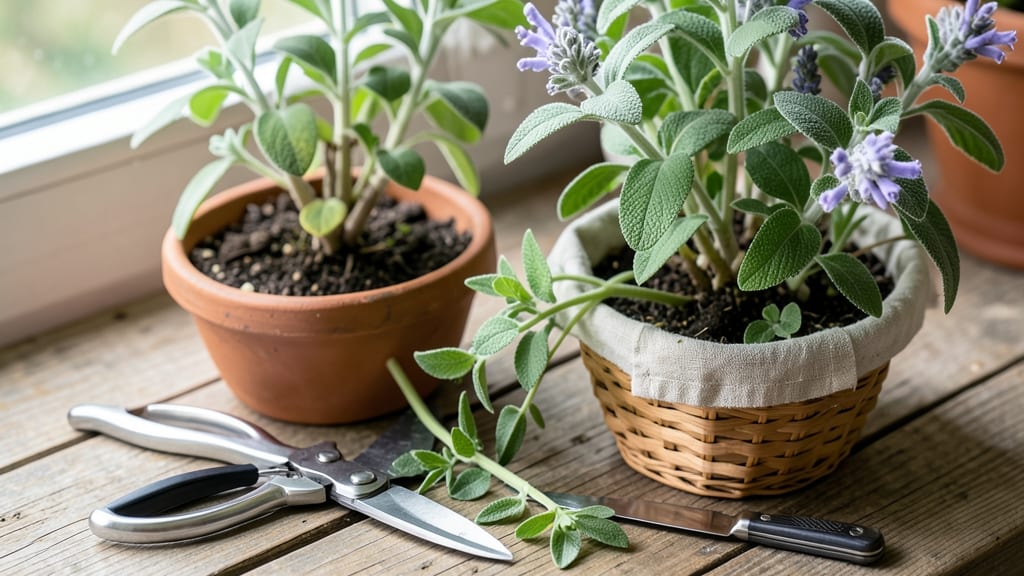
Harvesting garden sage at the right time and with the right technique turns this hardy herb into a flavor powerhouse 🌿 — and skipping these steps means wasting its full potential.
Picture this: you’ve spent months nurturing your sage, only to snip the leaves at the wrong moment and end up with weak, bitter flavors or a struggling plant. That’s why knowing when to cut and how to preserve it matters just as much as planting it right.
In this guide, you’ll discover the best seasons for harvesting, the tools that make the job easier, and simple methods to store your sage so it stays fresh for months.
Whether you’re drying bundles for winter or freezing sprigs for quick cooking, these tips will keep your plant thriving and your kitchen packed with aroma.
Ready to turn your sage harvest into a year-round seasoning staple? Let’s get started with the basics — because timing, as they say, is everything.


When to harvest garden sage for maximum flavor and growth
Timing your sage harvest is everything—cut too early, and you’ll miss peak flavor intensity. Harvest too late, and the leaves lose their aromatic oils or become bitter. The best time to harvest depends on the season and your plant’s maturity.
For year-round gardeners, understanding these windows ensures a steady supply of fragrant leaves for cooking and crafts.
Sage thrives in three key harvesting windows: spring, summer, and fall. Each season offers unique benefits. In spring, young leaves pack a delicate flavor perfect for light dishes. Summer harvests deliver the most robust aroma, while fall yields can be used for drying.
Knowing these cycles helps you plan for continuous harvests without overstressing your plant.
Here’s a quick reference for when to harvest based on your sage’s growth stage and seasonal flavor peaks:
Spring harvests are best when your sage plant reaches 6 inches tall. Look for vibrant green leaves with a faint aroma—this signals readiness. Avoid harvesting flowering stems, as they divert energy from leaf production. In summer, focus on new growth after pruning to maintain bushiness and flavor.
Fall is prime time for drying sage. Harvest leaves just before the first frost when they’re still plump and aromatic. The cooler temperatures slow regrowth, making it easier to preserve your harvest.
If your plant shows signs of yellowing leaves or woody stems, it’s past its peak and should be pruned back to encourage next year’s growth.
Watch for over-harvesting signs like sparse foliage or stunted growth. Never remove more than one-third of the plant at once. If you see bare stems or slow recovery, your sage is struggling. Balance harvesting with pruning for shape to maintain health and encourage bushier, more productive growth.
Pro tip: Harvest in the morning after dew has dried but before the midday heat. This preserves essential oils and ensures the freshest flavor. Use clean, sharp scissors to avoid crushing stems, which can lead to rot or disease.
For container-grown sage, harvest more frequently but lightly to prevent root stress. In-ground plants can handle heavier harvests, especially in summer when growth is vigorous. Always leave lower leaves intact to protect the plant and encourage new shoots from the base.
If your sage is woody at the base but still produces new growth, it’s not too late to harvest. Focus on the tender new shoots at the tips. These will have the best flavor and help rejuvenate the plant.
With the right timing, your sage can provide harvests for years—just keep an eye on its health and adjust your schedule accordingly.
🌿
Step-by-step guide to harvesting sage without damaging your plant
Harvesting sage correctly ensures your plant stays healthy and keeps producing flavorful leaves for years. The key is using the right tools and techniques to avoid stripping stems or over-pruning. I’ve learned from experience that a little patience and precision go a long way in preserving your sage’s vigor.
Before you begin, gather your harvesting tools. Sharp, clean pruning shears or scissors are ideal—they make clean cuts that heal faster than jagged edges. Avoid using knives, as they can crush stems and invite disease.
If you’re harvesting small amounts, even your fingers can pinch stems gently just above a leaf node.
How to Harvest Garden Sage
- 1. Choose the right time: Harvest in the morning after dew has dried but before the midday sun intensifies. This preserves oil content and flavor.
- 2. Select healthy stems: Look for woody but flexible stems with vibrant green leaves. Avoid stems with yellowing or wilted foliage.
- 3. Make clean cuts: Use sharp shears to cut just above a leaf node (where leaves meet the stem). This encourages new growth from that point.
- 4. Trim strategically: For bushier growth, pinch back the top 2-3 inches of stems. For side trimming, snip outer stems to encourage inner branching.
- 5. Avoid over-harvesting: Never remove more than 1/3 of the plant at once. Over-pruning stresses sage and reduces next year’s yield.
- 6. Post-harvest care: After trimming, water deeply to support regrowth. Remove any wilted or diseased leaves immediately.
One common mistake I see is stripping leaves instead of cutting stems. This damages the plant’s ability to photosynthesize and can lead to browning or dieback. Always cut stems at the base of the leaves you’re harvesting, not the individual leaves themselves.
If your sage is woody at the base but still has tender new growth higher up, focus on harvesting from the upper stems. This preserves the older, established parts of the plant while encouraging fresh, flavorful leaves to grow.
After harvesting, your sage will need time to recover. Water consistently for the next 2-3 weeks and avoid heavy pruning until you see new shoots emerging. With proper care, your sage can regrow vigorously and produce even more leaves for your next harvest.
Pro tip: If you’re harvesting sage for drying or long-term storage, choose stems with fully developed leaves but avoid those with flower buds. Flowering signals the end of the plant’s prime flavor window.