
How To
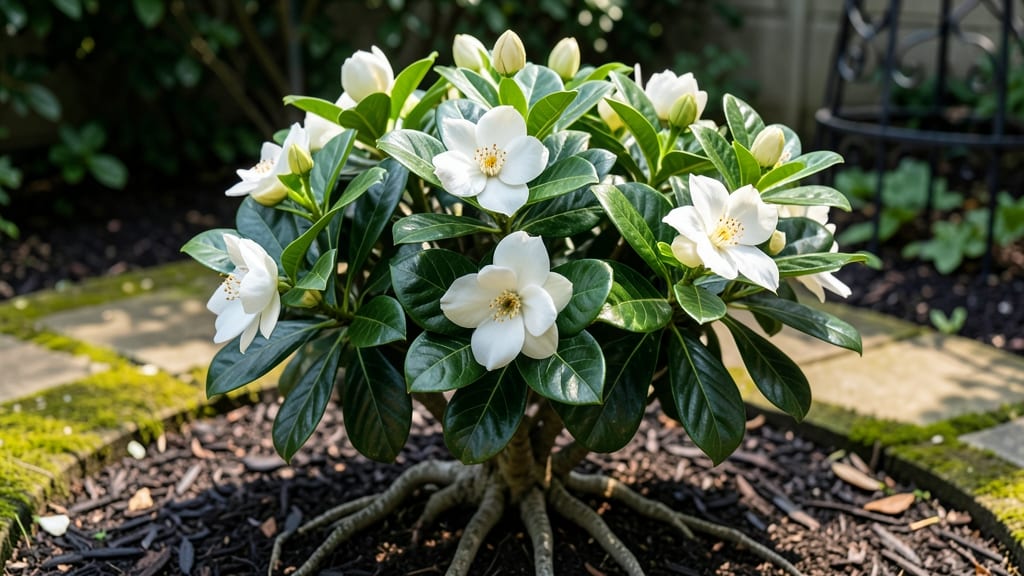
A gardenia tree grows to 6 to 15 feet tall at maturity, but the variety you choose makes all the difference between a towering statement plant and a compact patio gem.
If you’re dreaming of fragrant blooms but worried about space, understanding how tall gardenia trees grow is the first step to perfect placement—whether you want a towering centerpiece or a compact patio star.
The Gardenia jasminoides, for example, can reach 12 feet in ideal conditions, while dwarf varieties stay under 4 feet.
What you may not realize is that pruning, climate, and even container size play a huge role in controlling height. A gardenia in a pot might never reach its full potential, while one in the ground with proper care could outgrow your expectations.
The key is knowing your variety and giving it the right conditions.
In this guide, I’ll break down the height ranges by variety, share pruning tips to manage size, and explain how to keep your gardenia smaller or taller depending on your space. Ready to plan your perfect gardenia?

Gardenia tree height by variety: from compact shrubs to towering giants
Choosing the right gardenia variety starts with understanding their mature heights—some stay under 3 feet while others reach 15 feet tall.
The Gardenia jasminoides, the most common type, typically grows between 6 and 15 feet at maturity, but dwarf varieties like 'Radicans' stay compact at just 2 to 3 feet. Your garden’s layout, sunlight, and pruning habits will all influence how tall your gardenia grows over time.
If you’re working with limited space, dwarf gardenias are your best bet—they thrive in containers and small gardens while still delivering those iconic white blooms and intoxicating fragrance. For larger landscapes, standard varieties can become stunning focal points, especially when paired with complementary shrubs or climbing plants.
Let’s explore the height ranges of the most popular gardenia varieties to help you pick the perfect fit.
🌱 Pro Tip: Always check the mature height on the plant tag before purchasing, as some nurseries may sell young plants that won’t reach their full potential without proper care.
The Gardenia jasminoides is the most versatile choice for those who want a statement-making shrub. Its height range of 6 to 15 feet makes it ideal for privacy screens or as a backdrop for flowering perennials.
However, if you’re dealing with a small urban garden, varieties like 'Radicans' or 'Fortuniana' will give you that same sweet fragrance without overwhelming your space.
For fast-growing gardenias, look for 'Veitchii', which can add 2 feet per year under ideal conditions. This variety is perfect if you need a quick privacy solution but requires regular pruning to maintain its shape.
On the other hand, dwarf varieties like 'Kleimschmidtiana' grow at a more modest 12–18 inches per year, making them easier to manage in containers or small garden beds.
When planning your garden, consider not just the mature height but also the spread of the plant. A 6-foot-tall gardenia might need 5 feet of clearance on all sides to avoid overcrowding.
Always check the spacing recommendations for each variety to ensure your gardenias have room to thrive and bloom abundantly.
If you’re growing gardenias in containers, expect their growth to be slightly slower and more compact than in-ground plants. This makes dwarf varieties even more practical for patio gardening.
Just ensure your pots have drainage holes and are large enough to accommodate the plant’s root system as it grows.
🌿 Key Insight: The soil quality and sunlight exposure play huge roles in determining how tall your gardenia will grow. Well-draining, acidic soil (pH 5.0–6.5) and partial shade will encourage healthier, more controlled growth.
For those in warmer climates (USDA Zones 7–11), gardenias can grow faster and taller due to longer growing seasons. In cooler regions, growth may be slower but more compact. Always acclimate your plants gradually to outdoor conditions to avoid shock-related stunted growth.
Finally, remember that pruning is your best tool for
How to control gardenia tree height: pruning tips for desired size
Pruning your gardenia tree isn’t just about keeping it tidy—it’s the key to controlling its height and shaping its growth. Whether you want a compact shrub for your patio or a tall hedge for privacy, strategic pruning makes all the difference.
The best part? You can shape your gardenia year-round with the right techniques, avoiding common mistakes that stunt growth or invite pests.
Timing is everything when it comes to pruning. For height control, focus on late winter or early spring before new growth begins. This ensures you’re not cutting back blooms or disrupting the plant’s natural cycle.
Avoid heavy pruning in fall or winter, as gardenias need their energy reserves to survive cooler months. Even a light trim in summer can encourage bushier growth, but it’s best to keep it minimal during peak bloom season.
Step-by-Step Pruning Guide for Gardenia Trees
-
Step 1: Gather Your Tools
Use sharp, sterilized pruners (avoid dull blades) and gloves to protect from thorns. A ladder may be needed for taller varieties like Gardenia jasminoides. -
Step 2: Identify Dead or Weak Branches
Remove any diseased, crossing, or inward-growing branches first. These compete for nutrients and can reduce blooming potential. -
Step 3: Prune for Height Control
To reduce height, cut back 1/3 of the tallest branches just above a leaf node or outward-facing bud. For bushier growth, trim back side branches to encourage lateral shoots. -
Step 4: Shape for Formal Hedges
Use a handheld hedge trimmer for even cuts. Step back frequently to check symmetry. Avoid cutting into old wood, as gardenias struggle to regrow from it. -
Step 5: Clean Up and Sterilize
Remove all pruned debris from the base to prevent fungal growth. Sterilize your tools with rubbing alcohol to avoid spreading disease. -
Step 6: Fertilize and Water After Pruning
Apply a balanced fertilizer (10-10-10) and water deeply to help the plant recover. This supports new growth and blooming for the next season.
🌿 Pro Tip: Never prune more than 1/3 of the plant’s height in a single session to avoid stressing the gardenia.
One of the biggest mistakes gardeners make is pruning at the wrong time. Cutting back flowering branches in spring or summer can leave your gardenia bare for months. Similarly, over-pruning in fall can weaken the plant before winter dormancy.
Always prioritize light, strategic cuts over aggressive trimming—your gardenia will thank you with healthier blooms and stronger growth.
For dwarf varieties like Gardenia radicans, you’ll want to focus on light maintenance pruning to keep them under 3-5 feet. These varieties grow more slowly, so a single trim per year in early spring is often enough.
In contrast, standard gardenias (6-15 ft tall) may need annual height control to prevent them from outgrowing their space.
If you’re aiming for a natural, layered look, avoid shearing—instead, use the selective pruning method to remove only the longest, leggiest branches. This encourages a fuller, more organic shape while keeping the gardenia’s height in check.
Pair this with regular deadheading (removing spent blooms) to redirect energy into new growth.
Remember, gardenia trees respond best to gentle, consistent care. With the right pruning techniques, you can enjoy fragrant blooms year after year—whether your gardenia is a compact patio star or a towering backyard showstopper. 🌸