
How To
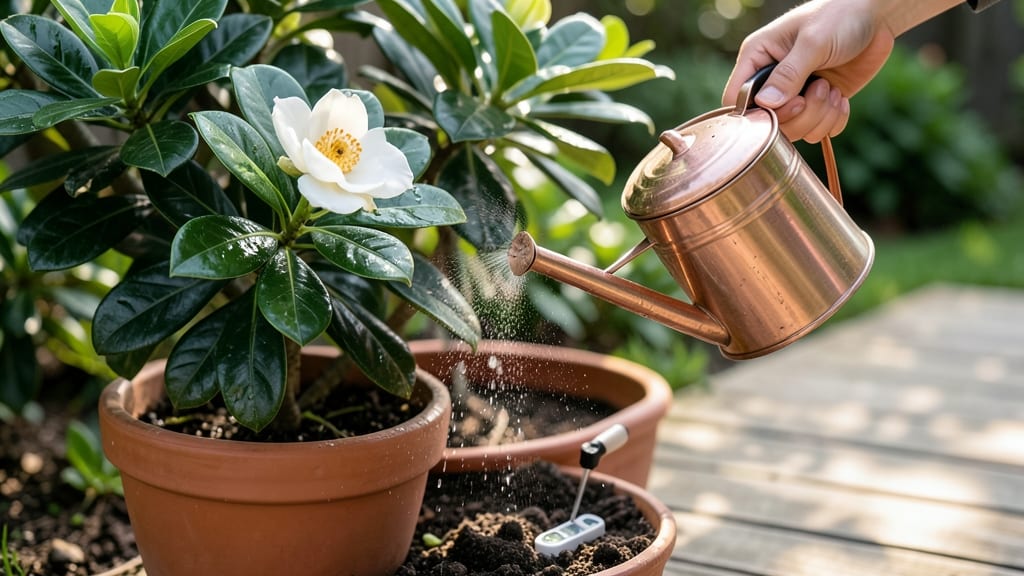
To water a gardenia properly, aim for deep soaks every 3-5 days—but the real secret is adjusting for soil, season, and pot size to keep those glossy leaves and intoxicating blooms 🌸.
Struggling to keep your gardenia blooming beautifully? Overwatering or underwatering can turn your fragrant plant into a sad, wilted shadow—here’s the science-backed watering schedule that will transform your care routine.
Most gardenia owners make one of two mistakes: drowning their roots in soggy soil or letting them dry out completely, both of which stress the plant. The key is checking moisture before watering—stick your finger 1-2 inches deep into the soil.
If it feels dry, it’s time to water; if it’s still damp, wait a day or two.
In this guide, I’ll break down the exact watering frequency for your gardenia’s soil type, seasonal needs, and even how pot size changes the game. You’ll learn how to spot overwatering (yellow leaves) and underwatering (drooping buds) so you can keep your plant thriving all year.
Gardenias’ ideal watering schedule based on soil type and season
Mastering the gardenia watering schedule is the secret to those lush, fragrant blooms you dream of. These tropical beauties thrive on consistent moisture but despise soggy roots—getting the balance right means checking your soil type and adjusting for the season.
Sandy soil drains fast, while clay holds moisture longer, and summer heat demands more frequent watering than winter’s chill. Let’s break it down so your gardenia stays happy year-round.
Your gardenia’s root health depends entirely on how you water. Too little, and the leaves will curl and yellow; too much, and you’ll invite root rot and fungal diseases.
The key is deep watering—soaking the soil until water drains from the bottom of the pot or runs out of the ground. This encourages roots to grow deeper, making your plant more resilient. Aim for 1-2 gallons per watering for mature plants, adjusting based on your soil’s behavior.
| Gardenia Watering Schedule by Soil Type & Season | |||
|---|---|---|---|
| Soil Type | Season | Watering Frequency | Key Tips |
| Sandy Soil | Spring | Every 2-3 days | Water deeply in morning; mulch to retain moisture |
| Summer | Daily or every 2 days | Increase humidity with pebble trays; avoid wetting leaves | |
| Fall | Every 4-5 days | Reduce frequency as temps drop; check soil before watering | |
| Winter | Every 10-14 days | Water only when top 2 inches are dry; reduce fertilizer | |
| Clay Soil | Spring | Every 4-5 days | Test soil moisture with finger; amend with compost for drainage |
| Summer | Every 3-4 days | Water in early morning; avoid overhead watering | |
| Fall | Every 6-7 days | Monitor for waterlogging; reduce water slightly | |
| Winter | Every 14-21 days | Let soil dry more between waterings; protect from frost | |
| All Seasons: Water at soil level, not leaves; use rainwater if possible | |||
In spring, your gardenia wakes up from dormancy and needs a gentle increase in water. For sandy soil, this means watering every 2-3 days—the grains drain so quickly that roots can dry out fast.
If you’ve got clay soil, stretch it to every 4-5 days; clay’s natural moisture retention means it holds water longer. This is also the perfect time to mulch around the base—it helps regulate soil temperature and keeps moisture from evaporating too quickly.
When summer heat rolls in, your gardenia’s water needs double. Sandy soil gardenias may need watering daily or every other day, especially if you’re in a hot, dry climate. For clay soil, aim for every 3-4 days but monitor closely—clay can become waterlogged if overwatered.
The trick here is deep watering in the morning. This gives roots time to absorb moisture before the heat of the day, and it prevents fungal issues that come from wet foliage. If your gardenia is in a pot, consider moving it to a shadier spot to reduce evaporation.
As fall temperatures drop, your gardenia’s growth slows, and so do its water needs. Sandy soil plants can go 4-5 days between waterings, while clay soil gardenias might only need water every 6-7 days.
This is a great time to test your soil moisture with your finger—stick it about 2 inches deep. If it feels dry, it’s time to water; if it’s still damp, wait another day. Reduce fertilizer applications too, as your plant focuses on root strengthening rather than blooming.
Winter is all about minimal watering. Gardenias in sandy soil might only need water every 10-14 days, while clay soil gardenias can stretch it to every 2-3 weeks. The goal is to keep the soil slightly moist but never soggy.
If you’re in a region with freezing temperatures, move potted gardenias to a sheltered spot or wrap them in burlap to protect the roots. Overwatering in winter is a common mistake—your plant’s metabolic rate slows, so it doesn’t need as much hydration.
One pro tip I swear by is using a moisture meter or the finger test to avoid guesswork. Stick your finger 2 inches into the soil—if it feels dry, water; if it’s damp, wait. This simple trick saves gardenias from both drought stress and root rot.
Another game-changer? Mulching. A 2-3 inch layer of organic mulch around your gardenia helps retain moisture, regulates soil temperature, and even suppresses weeds. It’s like giving your plant a cozy blanket to stay hydrated.
Don’t forget that potted gardenias dry out faster than those in the ground. If your plant is in a container, you’ll need to water
How to test gardenia soil moisture like a pro (3 simple tricks)
Gardenia plants thrive when their soil stays consistently moist but never soggy. The key to perfect blooms lies in understanding soil moisture levels—not just guessing how often to water gardenia.
I’ve tested these three foolproof methods over years of growing gardenias, and they’ll transform your watering game from guesswork to precision.
Most gardeners make the mistake of watering on a strict schedule instead of checking actual moisture. Gardenias hate both drought and waterlogged roots, so learning to read their soil is non-negotiable. These tricks take less than a minute each and will keep your plant’s roots happy year-round.
Stick your index finger 1 inch into soil. If it feels dry and crumbly, water immediately. If damp but not soggy, wait 1-2 days. Soggy soil means you’re overwatering—let it dry slightly.
Lift your gardenia pot—heavy soil means it’s moist (water in 2-3 days). If it feels light as a feather, soak thoroughly. This works best for container gardenias where soil moisture is harder to judge visually.
Wilting leaves = thirsty. Yellowing leaves = overwatered. Check soil surface: dry crust = needs water; moldy smell = drain excess water immediately.
For container gardenias, I recommend combining the weight check with the finger test—containers dry out faster than in-ground plants. Pro tip: Water in the morning so excess moisture evaporates during the day, preventing fungal issues that love damp leaves.
Seasonal adjustments matter too. In summer heat, your gardenia may need daily checks, while winter dormancy means cutting back to every 10-14 days. The finger test becomes your best friend during these transitions, as soil dries out faster in heat and stays moist longer in cooler months.
Remember, gardenias hate root suffocation from soggy soil. If you’re unsure, always err on the side of underwatering slightly—you can always add more water, but you can’t undo root rot.
These tricks will give you the confidence to water like a pro, ensuring your gardenia stays lush, fragrant, and blooming season after season.
Now that you’ve mastered soil testing, your gardenia’s next challenge is humidity levels—but that’s a story for another time. Happy growing! 🌸