
Watering
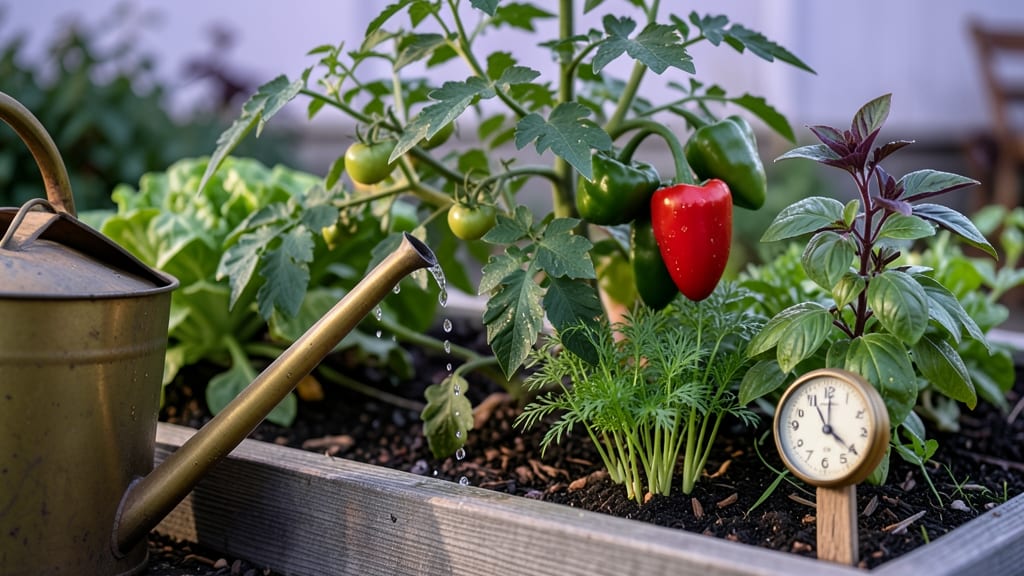
The best time to water your vegetable garden is early morning—before the sun climbs high—when plants drink deeply and evaporation stays low. 🥬
Struggling to keep your vegetable garden thriving? The when of watering matters just as much as the how—and morning is the golden hour most gardeners overlook. Discover why watering at dawn can cut evaporation by 30% while preventing fungal diseases and root rot.
Midday watering wastes half your effort as the sun turns droplets into steam before they reach the roots. Evening watering risks damp leaves overnight, inviting mildew. But morning? That’s when your plants wake up thirsty and ready to absorb every drop.
Below, I’ll break down the science behind morning watering, how to adjust for summer heat or spring rains, and the one tool that makes it effortless. Your garden will thank you—with bigger harvests and fewer headaches.
Why morning watering maximizes plant health and efficiency
If you've ever wondered why your tomatoes or peppers look wilted by noon, the answer might lie in your watering schedule. Morning watering isn't just a habit—it's a science-backed strategy that boosts plant resilience and efficiency.
When you water in the early hours, you're working with cooler temperatures and higher humidity, both of which help your plants absorb moisture more effectively.
Studies show that watering before 10 AM can reduce evaporation by up to 30% compared to midday or evening sessions. This means less water waste and more hydration reaching your root systems.
Plus, morning watering gives plants a head start to photosynthesize efficiently, setting them up for stronger growth throughout the day.
Here’s the summary-table breaking down why morning watering is the gold standard for vegetable gardens:
| Factor | Morning Watering Benefit | Scientific Reason |
|---|---|---|
| Evaporation Rate | 30% less loss | Cooler temps slow water evaporation |
| Fungal Risk | Reduced disease spread | Leaves dry quickly in sunlight |
| Root Absorption | Deeper hydration | Moisture reaches roots before heat stress |
| Nutrient Uptake | Enhanced growth | Plants absorb nutrients with morning moisture |
| Pest Control | Fewer slugs/snails | Pests avoid dry morning conditions |
One of the biggest advantages of morning watering is its impact on fungal diseases like powdery mildew and blight. When you water at night, moisture lingers on leaves until temperatures drop, creating the perfect breeding ground for pathogens.
But in the morning, sunlight quickly dries foliage, leaving no damp conditions for fungi to thrive.
For leafy greens like spinach or kale, morning watering ensures they stay crisp and vibrant. These plants are particularly sensitive to wilting and bolting (premature flowering), both of which are triggered by inconsistent moisture. By watering early, you maintain steady hydration, which keeps your greens tender and ready for harvest.
Even root vegetables like carrots and beets benefit from morning watering. Their taproots need consistent moisture to grow straight and sweet. Watering in the morning allows these roots to absorb water gradually, preventing cracks or forked growth that often happens with uneven hydration.
Don’t overlook the role of humidity either. Morning air is typically more humid, which means your plants can absorb water more efficiently. This is especially critical during hot summer months when evaporation rates skyrocket.
By watering early, you’re essentially giving your plants a hydration boost before the day’s heat kicks in.
If you’ve ever struggled with overwatering or underwatering, morning watering can help strike the perfect balance. Since you’re watering when evaporation is lowest, you can often reduce the total amount of water you use while still meeting your plants' needs.
This is a game-changer for drought-prone gardens or areas with water restrictions.
Pro tip: Pair morning watering with a mulch layer to lock in moisture. Organic mulch like straw or wood chips acts like a blanket, slowing evaporation and keeping roots cool. Together, morning watering and mulching create an ideal environment for your vegetable garden to thrive.
Morning vs. evening watering: key differences and when to break the rule
Choosing between morning and evening watering can make or break your vegetable garden's success. While morning watering is the gold standard, certain climates and plant types demand exceptions. Let's break down the science and exceptions to help you optimize your watering schedule.
Morning watering—between 6 AM and 10 AM—lets water soak deeply into the soil before the sun peaks. This reduces evaporation losses by up to 30% and prevents fungal diseases like powdery mildew.
But what if you're in a humid tropical climate or growing leafy greens that wilt in the heat?
| Factor | Morning Watering | Evening Watering | Exceptions |
|---|---|---|---|
| Evaporation Loss | Low (6-30%) | High (30-50%) | Dry climates: water at dusk |
| Fungal Risk | Low (leaves dry quickly) | High (moisture lingers) | Tropical climates: water early evening |
| Root Absorption | Deep (6-10 AM) | Shallow (water evaporates) | Root veggies (carrots, beets): water evening |
| Leafy Greens | Best (prevents wilting) | Risk of heat stress | Hot afternoons: water late evening |
| Water Waste | Minimal (soil absorbs) | High (runs off) | Sandy soil: water frequently in short bursts |
For leafy greens like lettuce and spinach, morning watering keeps them crisp and prevents wilting. But in hot desert climates, evening watering can be better—just finish by 8 PM to avoid fungal growth. Root vegetables like carrots and beets also benefit from evening watering in extreme heat.
If you're in a humid climate, like the Southeast U.S., watering in the early evening (before 7 PM) can help plants recover from daytime heat stress. However, avoid watering late in the evening, as moisture trapped on leaves overnight creates the perfect environment for blight and mildew.
Pro tip: Use a soaker hose or drip irrigation to deliver water directly to the roots, minimizing evaporation regardless of the time. This is especially critical for tomatoes and peppers, which are prone to cracking if watered inconsistently.
Always check your soil moisture before watering—stick your finger 1-2 inches deep. If it's dry, water deeply; if moist, hold off. This simple check can save gallons of water and keep your veggies thriving all season.