
Pests
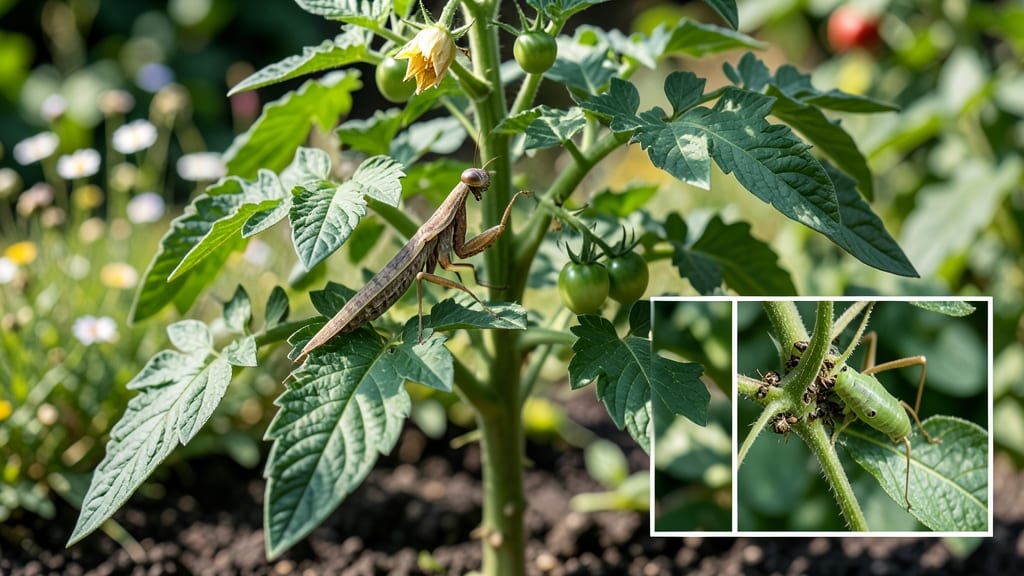
Praying mantises are good for gardens as natural predators of pests like aphids, beetles, and caterpillars, but they may also hunt beneficial insects such as bees and butterflies, requiring careful balance in garden ecosystems.
Praying mantises act as nature's pest control, devouring garden nuisances like aphids and beetles with precision. 🌿 Their stalk-and-strike hunting style makes them efficient at reducing crop-damaging insects, especially in organic gardens where chemical solutions are avoided.
However, their indiscriminate hunting habits can turn beneficial pollinators like bees into prey, creating a delicate balance gardeners must manage. The key lies in understanding their seasonal prey shifts—young mantises target smaller pests early on, while adults may go after larger beneficial insects.
To maximize their pest-control benefits while protecting pollinators, focus on attracting mantises during their early nymph stages when they're less likely to hunt bees.
Planting native herbs like dill and fennel near your garden edges provides shelter and food sources that lure mantises without putting your pollinator populations at risk. 🐝 Release them in late spring when pest populations are rising but before bees become fully active, and monitor their population carefully to prevent overpredation.
💡 In This Article
- Praying Mantis Diet: Beneficial Pest Control vs Garden Threats
- Encouraging Praying Mantises Without Disrupting Pollinators
Praying mantis diet: beneficial pest control vs garden threats
Praying mantises are ambush predators with a hunting strategy that relies on their incredible vision and lightning-fast reflexes. Their compound eyes can detect movement from up to 60 feet away, allowing them to spot prey like aphids, beetles, and caterpillars with surgical precision.
Once locked onto their target, they strike in under 0.05 seconds, using their spiked forelegs to impale and immobilize their meal. This hunting efficiency makes them particularly effective against soft-bodied pests like aphids, which can devastate plants in just 2-3 weeks without intervention.
The real ecological dilemma emerges when mantises target beneficial insects. Studies show that adult female mantises—especially during late summer—are more likely to hunt bees and butterflies, which are critical for pollination.
This happens because larger prey like bees provide more energy per catch, making them attractive targets when pest populations decline. 🌿 Young nymphs, however, focus primarily on smaller pests, giving gardeners a 3-4 week window in spring when mantises are most beneficial before their diet shifts.
Seasonal variations play a crucial role in their impact. In temperate climates, mantis populations peak in July-August, coinciding with the decline of many crop pests but also with peak pollinator activity.
This overlap creates the need for strategic timing—introducing mantises too early in the season may not yield pest control benefits, while releasing them too late risks harming pollinators. The key is understanding that mantises are opportunistic predators, not specialized pest controllers.
Here's what the science reveals about their dietary trade-offs:
- Pest control efficiency: A single adult mantis can consume 20-30 aphids per day, making them invaluable for organic gardeners
- Pollinator impact: Research in Journal of Insect Conservation found that mantises account for 5-10% of bee mortality in gardens where they're established
- Size matters: Mantises 1 inch long or smaller rarely attack bees, while those 2 inches or larger pose greater risks
The ecological trade-off becomes clearer when you consider that while mantises provide immediate pest control, their long-term presence may reduce pollinator populations by 15-20% in some garden ecosystems. This creates a delicate balance where their benefits must be weighed against potential costs to the garden's overall health. 🔍
For gardeners, this means maintaining a dynamic ecosystem approach—using mantises as one tool among many rather than relying solely on them.
The most effective strategy combines mantis introduction with other natural pest controls like ladybugs and lacewings, creating a layered defense that reduces the pressure on any single predator species.