
Planting
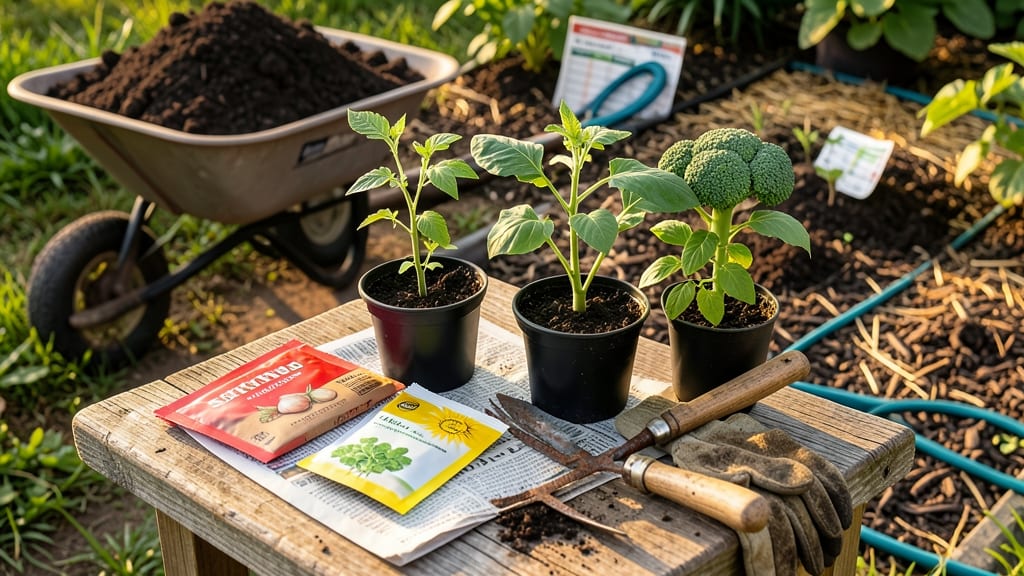
Planting a garden in Oregon at the right time means the difference between a lush harvest and a wasted season—because the wrong timing can leave your plants vulnerable to frost or stunted by summer heat.
Oregon’s mild yet unpredictable climate can turn gardening into a guessing game—plant too early, and frost ruins your crops; too late, and summer heat stunts growth. Mastering the perfect planting timeline for USDA Zones 8 and 9 ensures bountiful harvests year after year.
Whether you’re in the Willamette Valley or Eastern Oregon, knowing when to start seeds indoors, transplant seedlings, or sow directly in the soil is key. This guide breaks down the exact dates for cool-season and warm-season crops, so you can avoid common mistakes and maximize your garden’s potential.
From adjusting for microclimates to handling Oregon’s erratic weather, you’ll learn how to time your plantings for peak yields—no more missed opportunities or wasted seeds. Let’s get your garden off to the right start!
Oregon planting calendar by season: exact dates for Zone 8 vs. Zone 9
Oregon’s USDA Zones 8 and 9 offer distinct planting windows, with Zone 8 (e.g., Eugene, Medford) experiencing slightly cooler springs and earlier frosts than Zone 9 (e.g., Portland, Salem).
The average last frost date ranges from March 15–April 15 in Zone 8 and April 1–May 1 in Zone 9, while first frost arrives between October 15–November 15. These dates shift 1–2 weeks earlier in Eastern Oregon’s high desert and 1–2 weeks later along the coast.
Cool-season crops like lettuce, peas, and broccoli thrive in Oregon’s mild winters, while warm-season favorites such as tomatoes, peppers, and cucumbers demand consistent warmth after the last frost.
Below, I’ve broken down the ideal planting windows for both zones, including adjustments for microclimates like the Willamette Valley (cooler, wetter) and Eastern Oregon (hotter, drier).
Pro Tip: Use row covers or cold frames to extend your spring planting window by 2–4 weeks in Zone 8, and shade cloth to protect summer crops from heat stress in Zone 9. Always check local frost dates from the Oregon State University Extension for your specific area.
| Season | Zone 8 (Eugene, Medford) | Zone 9 (Portland, Salem) | Microclimate Adjustments |
|---|---|---|---|
| Winter (Dec–Feb) | Cool-season crops: Spinach, Kale, Carrots (direct sow) | Same as Zone 8 + Fava Beans (hardier) | Coastal areas: Plant 2 weeks later due to cooler temps. |
| Early Spring (Mar–Apr) | Start indoor seeds: Tomatoes, Peppers, Broccoli (4–6 weeks before last frost) | Direct sow: Peas, Lettuce, Radishes (after March 15) | Eastern OR: Wait until April 15 for frost-sensitive crops. |
| Late Spring (Apr–May) | Transplant: Tomatoes, Peppers (after May 1); Direct sow: Beans, Corn, Cucumbers | Transplant: Tomatoes, Peppers (after April 15); Direct sow: Zucchini, Basil | Willamette Valley: Use black plastic mulch to warm soil faster. |
| Summer (Jun–Aug) | Sow succession crops: Bush Beans, Lettuce, Carrots (every 2 weeks) | Plant heat-tolerant varieties: Okra, Sweet Potatoes, Malabar Spinach | Eastern OR: Irrigate daily during July–August heatwaves. |
| Fall (Sep–Nov) | Direct sow: Kale, Spinach, Arugula (until October 1); Start indoor onions | <