
Picking
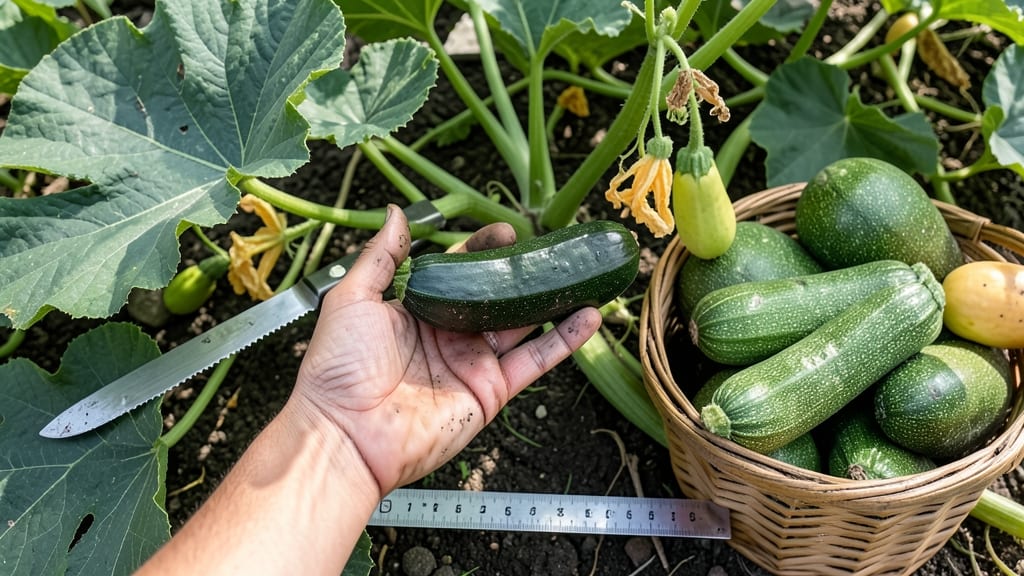
To pick squash from the garden at the perfect moment means catching it when the flesh is tender yet firm, the seeds tiny, and the flavor bursting with summer sweetness 🎃.
Picture this: You’ve waited all season, and now your squash vines are heavy with fruit. But if you harvest too early, you’ll get bland, seedy squash. Too late, and you’re left with a rock-hard mess that’s nearly inedible.
The difference between a homegrown feast and a disappointing bite often comes down to timing—and the right cues.
Color isn’t the only clue. Size matters, too: a zucchini ready for the pan is 6–8 inches long, while a butternut squash should weigh 3–5 pounds before it’s prime.
Then there’s the texture test—press your thumbnail into the skin. If it leaves a dent, it’s not ready yet. But when it feels tough and dull, you’ve got your window.
Below, I’ll walk you through the exact visual and tactile signals for summer and winter squash, plus how to adjust for storage or immediate cooking. No more guessing—just perfectly timed harvests every season.
How to identify perfect ripeness by squash color and size
Every gardener knows the frustration of pulling a squash too early—only to find it still hard and seedy—or waiting too long, when the flesh turns stringy and flavor fades. The secret lies in color intensity, size consistency, and variety-specific cues that tell you exactly when to harvest.
Summer squash like zucchini and yellow squash have different signals than winter varieties like butternut or pumpkins, and ignoring these can mean wasted effort.
For summer squash, timing is everything because they’re best when harvested young and tender. Overripe summer squash develop tough skins and bitter flesh, while winter squash need full maturity to develop their sweet, storable qualities.
I’ve learned the hard way—skipping these visual checks can turn your harvest into a culinary disappointment. Let’s break down the exact cues you need to watch for each type.
Color is your first clue. Summer squash should have a deep, even hue—think glossy dark green for zucchini or bright yellow for yellow squash. Winter squash, like butternut or acorn, should shift from pale to rich orange, deep green, or golden tones. Uneven coloring or pale patches mean it’s not ready yet. I always check under the leaves where sunlight might be blocked, as shadows can trick you into thinking the squash is riper than it is.
Size matters, but not in the way you might think. Zucchini and yellow squash are ready at 6–12 inches long, while butternut squash should be 12–18 inches long and pumpkins 10–20 inches in diameter, depending on the variety. Harvesting too soon means small, seedy squash, but leaving them too long leads to oversized, waterlogged fruit. I measure mine against a ruler or my hand—my palm is about 8 inches, so a zucchini the length of my forearm is usually perfect.
Here’s where many gardeners go wrong: they rely only on size or color, ignoring the texture test. A ripe squash should feel firm but not rock-hard. Press your thumbnail into the skin—if it leaves a slight dent, it’s not ready.
If it springs back and feels tough, it’s time to harvest. I also check the stem: it should snap easily when twisted, not bend like a green stem. This tells me the squash has fully matured and is ready to pick.
| Squash Type | Color Cues | Size Range | Texture Test | Stem Check |
|---|---|---|---|---|
| Zucchini | Deep glossy green | 6–12 inches long | Firm, no dent from thumbnail | Snaps easily when twisted |
| Yellow Squash | Bright golden yellow | 6–8 inches long | Slightly dull, not shiny | Dry stem, no green |
| Butternut Squash | Deep orange, no green | 12–18 inches long | Hard rind, no soft spots | Woody stem, no flexibility |
| Acorn Squash | Dull green or tan | 4–6 inches diameter | Thick skin, no give | Stem dries and falls off |
| Pumpkins | Deep color (orange, white, green) | 10–20 inches diameter | Hard shell, no softness | Stem hardens, no green |
One mistake I see often is harvesting by calendar instead of visual cues. Just because it’s August doesn’t mean your zucchini is ready—some varieties ripen faster in hot weather, while others lag behind.
I’ve had zucchini ready in 45 days in a hot summer, but others take 60 days in cooler climates. Always check the seed packet for days to maturity, but use it as a guide, not a rule.
Environmental factors also play a role. Hot, dry weather speeds up ripening, while cool, wet conditions slow it down. I’ve noticed my squash ripens faster in July heat than in June’s unpredictable rain.
If you’re in a humid climate, check squash more frequently—they can rot on the vine if left too long. I set a reminder to inspect my plants every 2–3 days during peak growing season to avoid missing the window.
Don’t overlook the weight-to-size ratio. A ripe squash should feel heavy for its size, indicating it’s filled out with flesh, not just water. Lift it in your hand—if it feels light, it’s not ready.
I compare it to a similar-sized squash I’ve already harvested. This trick helps me avoid picking underripe or overripe fruit, especially with winter varieties that need time to develop their sweetness.
Finally, variety matters. Some squash, like cushaw or kabocha, need to cure in the sun for a few days after picking to develop their full flavor. Others, like pattypan squash, should be harvested when still small and tender.
Always research your specific variety’s needs—what works for a zucchini won’t work for a pumpkin. I keep a gardening journal to track which varieties ripen best in
Texture and touch tests: the forgotten secrets to squash picking
Your fingers hold the key to perfect squash—long before the color fully develops, the texture and weight reveal whether your summer squash or winter varieties are ready to harvest.
Many gardeners focus on size or color, but tactile cues like stem separation and skin firmness often give the most accurate signal. These tests help you avoid both underripe squash (with watery flesh) and overripe specimens (that turn tough or seedy).
Start by checking stem separation, a foolproof method for summer squash like zucchini. Gently twist the stem near the fruit—if it snaps cleanly with a slight resistance, your squash is ready. For winter squash (like butternut or acorn), look for a dry, woody stem that pulls away easily.
This indicates the fruit has fully matured on the vine, even if the skin still looks slightly soft.
Next, press your thumbnail into the skin. Ready-to-harvest squash should resist indentation completely—no thumbprint should remain. If the skin yields slightly, wait 2–3 days. For winter varieties, the skin should feel thick and leathery, not papery or brittle.
This tactile test works best in the morning when fruits are firmer due to cooler temperatures.
Key Takeaway: When to Pick Squash from Garden
- Stem snaps cleanly when twisted
- Skin resists thumbnail pressure
- Size: 6–12 inches (varies by variety)
- Stem pulls away with slight resistance
- Skin feels thick and leathery
- Weight feels heavy for size
- Hot, dry weather speeds ripening
- Humid conditions slow skin hardening
- Check daily in peak summer months
- Soft spots or mold on skin
- Stem still green and flexible
- Uneven color or shriveled patches
Don’t overlook the weight-to-size ratio, another underrated clue. A perfectly ripe squash feels surprisingly heavy for its dimensions—this indicates full water absorption and mature flesh. Lift a few candidates: the heaviest one of average size is likely your winner.
For winter squash, this test becomes even more critical, as their thick skins can hide underripe interiors.
Environmental factors dramatically affect ripening speed, so adjust your touch tests accordingly. In hot, dry climates, squash ripens faster—check stems and skin every 2–3 days to avoid missing the window. Conversely, humid or cloudy conditions slow skin hardening, so you may need to wait an extra week.
Pay special attention to vining varieties like butternut squash, which can take 2–3 weeks longer to mature in cooler summers.
Master these tactile tests, and you’ll transform your squash harvest from hit-or-miss to consistently perfect—no guesswork required. The next time you reach for a squash, let your fingers do the talking before your eyes confirm the color. Your taste buds will thank you with every bite of tender, flavorful flesh.