
Picking
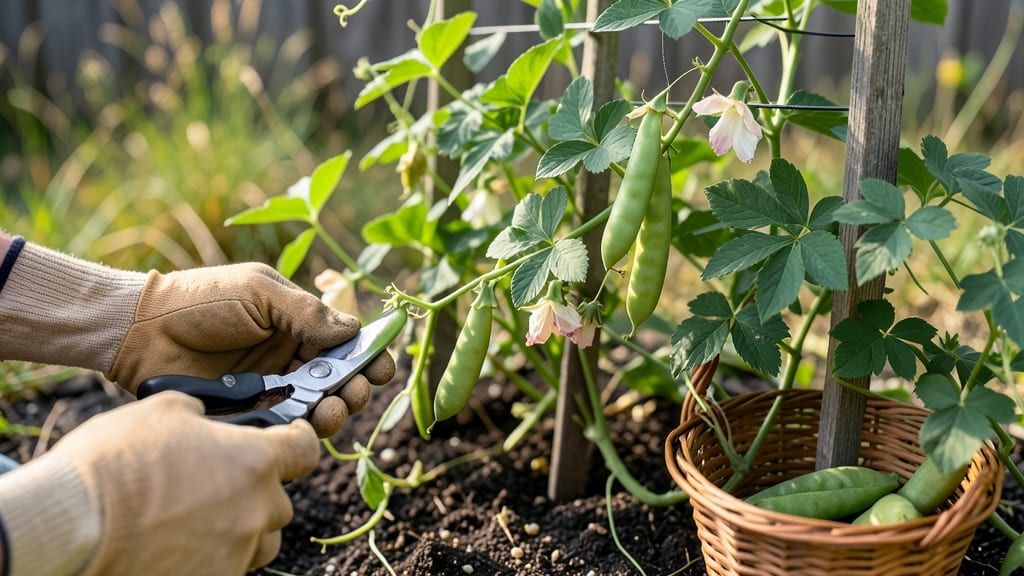
To pick peas from your garden at the perfect time means harvesting them when they’re crisp, sweet, and packed with flavor—before they turn tough or lose their vibrant green hue.
Imagine biting into a pod that snaps cleanly and bursts with freshness, only to find it mealy and bland the next day. That’s the difference between 30 seconds too early and 30 seconds too late—and why timing matters more than you might think.
Spring-planted peas (like those in Zone 6a) typically reach peak ripeness 60-70 days after planting, but sugar-snap and shelling varieties demand slightly different cues. A 2-inch pod that’s firm and glossy? That’s your sweet spot. Let it swell past that, and you’re trading crunch for mush.
Below, I’ll walk you through the exact visual and tactile clues to harvest your peas at their prime, plus how to stretch your harvest season—whether you’re growing 🌱 sugar-snaps or shelling types. Ready to turn your garden into a steady supply of fresh, homegrown pods?


How to determine when sugar-snap peas are ready for harvesting
Harvesting sugar-snap peas at the perfect moment transforms your garden into a treasure trove of sweet, crisp delights. Unlike shelling peas, these varieties are best enjoyed whole—so timing is everything! The ideal window opens just 3-4 weeks after planting, when pods reach their peak tenderness and flavor.
Miss this window, and you’ll end up with fibrous, tough pods that taste more like rubber than the sweet snap you crave.
Start checking your sugar-snap pea plants about 60-70 days after sowing, depending on your climate and variety. Look for pods that are bright green, firm, and 2-2.5 inches long. These pods should feel crisp when gently squeezed, with seeds that are plump but not bulging.
The key is to harvest before the pods start to yellow or wrinkle, as this signals overmaturity and a decline in quality.
Here’s the golden rule: harvest sugar-snap peas in the morning when temperatures are cooler. This ensures maximum crispness and sweetness, as the pods contain the highest sugar content after a cool night.
Plus, morning harvests give you a head start on enjoying your peas fresh from the garden—no need to wait for dinner!
One common mistake is waiting too long, hoping for bigger pods. But larger doesn’t mean better for sugar-snaps! Overripe pods become woody and mealy, losing their signature snap. Instead, focus on consistent, frequent harvesting every 2-3 days once pods start forming.
This encourages your plants to produce more peas and extends your harvest season by 2-3 weeks.
| Stage | Pod Size | Color | Texture | Seed Visibility | Harvest Action |
|---|---|---|---|---|---|
| Early Growth | Under 1 inch | Pale green | Soft, flat | Not visible | Wait |
| Optimal Ripeness | 2-2.5 inches | Bright green | Firm, crisp | Plump, visible | Harvest now! |
| Overripe | 3+ inches | Yellowing | Tough, wrinkled | Bulging seeds | Discard |
To test ripeness, gently snap a pod in half. If it breaks cleanly with a satisfying crack and the inside looks juicy, it’s ready. If the pod feels spongy or the seeds are too large, it’s past its prime.
Remember, sugar-snap peas lose sweetness quickly after picking, so plan to enjoy them within hours of harvest for the best flavor. For a continuous supply, plant successive crops every 2 weeks throughout the growing season.
Another pro tip: harvest sugar-snap peas with scissors or pruning shears to avoid damaging the plant. Snip just above a leaf node to encourage more growth. This method also keeps your plants healthy and productive, ensuring a longer harvest season.
If you’re growing bush varieties, you’ll need to check more frequently since they mature faster than climbing types.
Pay attention to the pod’s curvature—it should gently bow outward, not straighten or flatten. Straight pods often mean the peas inside are too mature. Similarly, avoid harvesting pods that have started to develop brown spots, as this indicates disease or pest damage.
When in doubt, err on the side of picking early—you can always leave a few pods to mature for seed saving, but once they’re overripe, their quality is gone forever.
For the best results, store freshly harvested sugar-snap peas in the refrigerator for up to 5 days. Place them in a perforated bag with a damp paper towel to maintain crispness. If you’re lucky enough to have a pea harvest glut, blanch and freeze them for later use.
But honestly? There’s nothing like the fresh, sweet crunch of a just-picked sugar-snap pea straight from your garden.
Finally, keep an eye on your pea plants’ overall health. If leaves start yellowing or plants wilt, it might be time to pull back on watering or check for pests like aphids.
A healthy plant produces healthier, sweeter peas. With the right timing and care, you’ll enjoy a bountiful harvest that rivals anything you’ve bought at the store.
Shelling pea harvest timing: when to pick for maximum yield
Shelling peas need precise timing to deliver the best flavor and texture. Unlike sugar-snaps, these varieties focus on the seeds inside rather than the pod itself. Picking too early means tiny peas, while waiting too long results in overmature, tough seeds that split open.
The sweet spot? Harvest when pods are fully swollen but still bright green, typically 60-70 days after planting.
For peak flavor, aim to harvest shelling peas in the morning after dew dries. This ensures maximum crispness and sweetness. Look for pods that are smooth, firm, and 2-3 inches long—they should feel plump but not woody.
If you see wrinkled pods or yellowing tips, it's past prime time. The seeds inside should be fully formed but not yet pushing against the pod walls.
| Maturity Stage | Pod Appearance | Seed Development | Best Action |
|---|---|---|---|
| Too Early | Small, flat pods | Seeds tiny, underdeveloped | Wait 5-7 days |
| Perfect Time | 2-3" long, bright green | Plump, filling pod | Harvest immediately |
| Overripe | Wrinkled, yellowing | Seeds hard, splitting | Discard or compost |
Did you know shelling peas continue maturing even after harvest? If you must store them, pick pods when they're just underripe—this gives you 3-5 extra days of freshness. Store in a paper bag in the fridge to slow ethylene gas buildup, which causes spoilage.
For long-term storage, shell and freeze the peas immediately after harvest to lock in flavor.
Pro tip: Harvest frequently—every 2-3 days during peak production—to encourage more pods. Shelling peas stop producing if pods linger on the vine too long. Varieties like 'Alaska' or 'Lincoln' reward consistent picking with prolonged harvest windows.
If you notice fewer flowers after initial harvests, it's time to fertilize lightly with a nitrogen-rich feed to boost regrowth.
Seasonal timing matters too. Spring-planted peas (March-April) peak in May-June, while fall varieties (August-September) harvest in October-November. In hot climates, opt for shade-tolerant varieties like 'Oregon Sugar Pod', which matures faster in 70°F+ temps.
Always check your local frost dates—peas won't survive frost, so plan harvests before first frost.
Remember: Shelling peas taste best when fresh. The longer they sit on the vine, the less sweet and more fibrous they become. With the right timing, you'll enjoy homegrown peas that rival store-bought quality—and maybe even better! 🌱