
Planting
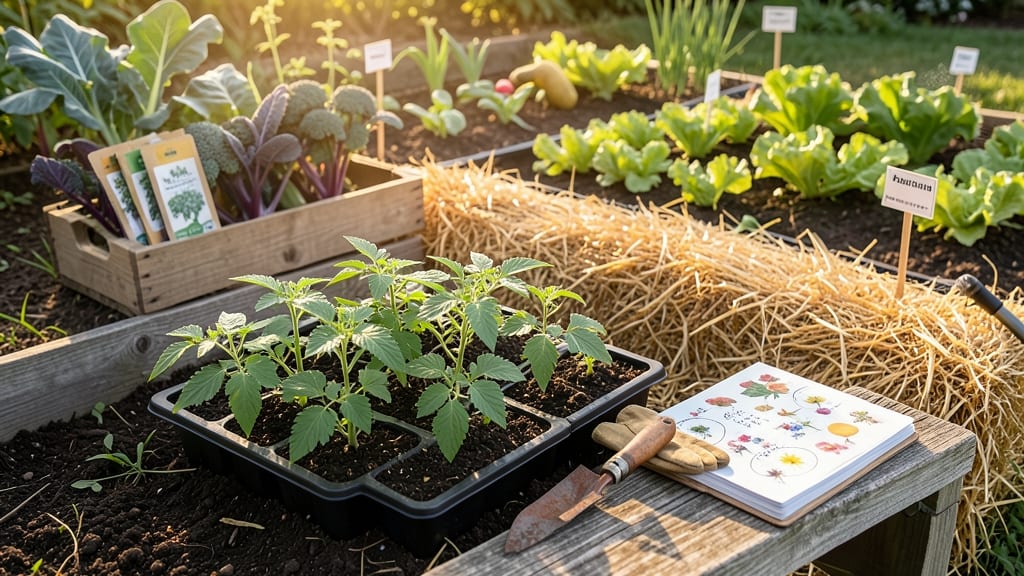
Planting your Maryland garden at the right time means the difference between a bumper crop and a total flop—and the perfect window depends on whether you’re sowing cool-loving greens or heat-hungry tomatoes.
Maryland’s unpredictable frost dates can turn a thriving garden into a failed experiment—unless you plant at the perfect time. Miss the window, and your tomatoes, peppers, or herbs may never reach their full potential.
Here’s the secret: Maryland’s USDA zones 5b through 7a mean your last frost can vary by two weeks from Baltimore to the Eastern Shore.
Cool-season crops like lettuce and spinach thrive when planted in early spring, while tomatoes and peppers need to wait until after mid-April—unless you’re using row covers to cheat the clock.
Below, I break down the exact frost dates for your region, the best planting months for every crop, and how to stretch your growing season so you’re harvesting well into fall. No more guesswork—just peak yields.
Maryland’s frost dates & best planting times by season (2024 guide)
Maryland’s frost dates vary dramatically between regions—sometimes by weeks—so timing your garden is critical. In Western MD (like Frederick), last frosts average April 15-20, while Eastern MD (Annapolis) often waits until May 1-5.
First frosts arrive October 20-30 in most areas, but coastal spots like Baltimore can delay until November 10. These shifts mean your tomatoes or peppers could bolt in heat or freeze before maturing.
Cool-season crops like lettuce and spinach thrive when soil temps hit 40°F, often as early as March 15 in Western MD but wait until April 1 in Eastern MD.
Warm-season plants (beans, squash) need soil at 60°F+, so don’t rush them—wait until May 15 or after your last frost. Heat-tolerant varieties like Okra or Sweet Potatoes can handle late starts, but tomatoes planted after June 1 may struggle in Maryland’s humidity.
Pro Tip: Use row covers to extend cool-season planting by 2-3 weeks or start warm-season seeds indoors 6-8 weeks before your last frost. My Baltimore garden lost half its basil one year by planting too early—don’t make that mistake!
| Region | Last Frost Date | First Frost Date | Cool-Season Planting | Warm-Season Planting |
|---|---|---|---|---|
| Western MD (Frederick) | April 15-20 | October 20-25 | March 15 - April 15 | May 1 - May 15 |
| Central MD (Baltimore) | April 25 - May 5 | October 30 - Nov 5 | April 1 - April 30 | May 15 - June 1 |
| Eastern MD (Annapolis) | May 1-5 | November 10-15 | April 15 - May 10 | June 1 - June 15 |
Note: Microclimates (urban heat islands, water bodies) can shift dates by 1-2 weeks. Always check soil temps with a probe!
For cool-season crops, aim to harvest before June 15—after that, heat stresses leafy greens. Try bolting-resistant varieties like ‘Black Seeded Simpson’ lettuce or ‘Winter Density’ kale, which handle Maryland’s summer better.
If you miss the spring window, replant spinach or radishes in late August for fall harvests.
Warm-season plants need consistent warmth. In Western MD, tomatoes can go in April 25 with row covers, but Eastern MD gardeners should wait until May 15. Peppers and eggplants are finicky—start them indoors by March 1 and transplant after May 15.
My Annapolis garden failed with peppers planted too early; they wilted in May’s 50°F nights.
If you’re a late starter, focus on heat-loving crops like Okra (90+ days to maturity), Sweet Potatoes (90-120 days), or Southern Peas. These thrive in Maryland’s July-August heat when tomatoes may struggle.
For herbs, basil and cilantro bolt quickly—plant basil after May 15 and cilantro in early fall.
Don’t forget succession planting! For lettuce or beans, sow every 2 weeks from spring to early summer. My Baltimore raised beds produced continuous harvests by staggering radish and carrot plantings. Even in short-season areas, this trick adds weeks of harvests.
Use frost cloth to protect tender seedlings if late frosts hit. I’ve saved tomato plants in May using floating row covers—just remove them when flowers appear to prevent pollination issues. For fall gardens, plant
Top 5 mistakes Maryland gardeners make with planting timing (and how to avoid them)
Even experienced Maryland gardeners sometimes fall into timing traps that sabotage their harvests. The last frost date in your area—whether it's Baltimore's April 15 or Western MD's April 20—can shift dramatically with elevation or urban heat islands.
Planting too early risks frost damage, while waiting too long may leave you with stunted tomatoes or peppers that never mature.
Another common pitfall is ignoring microclimates. Your neighbor's backyard might have 2 weeks earlier planting conditions than your own, thanks to differences in sun exposure or soil warmth.
Without adjustments, you could be planting cool-season crops too late or warm-season plants too early, both of which lead to poor yields.
⚠️ Warning: Timing Mistakes That Kill Your Garden
Planting warm-season crops (like tomatoes or cucumbers) before soil reaches 60°F—most Maryland regions hit this in late May. Cool-season crops (such as lettuce or spinach) planted after mid-August risk bolting before frost. Succession planting is often skipped, leaving gaps in harvests. Urban vs. rural frost dates differ by 1-2 weeks—check local frost maps!
One of the biggest mistakes is not hardening off seedlings before transplanting. If you rush tomato or pepper seedlings into the garden without gradual acclimation to outdoor conditions, they’ll shock and struggle to recover.
I’ve seen entire herb gardens fail because the plants were moved too quickly from indoor starts to full sun.
Another overlooked issue is overestimating your growing season. Many gardeners in USDA Zone 7 (covering most of Maryland) assume they can plant warm-season crops as late as June 15, but first frost can arrive as early as October 10 in rural areas.
This leaves only a 3-month window for full-season plants—plan accordingly with fast-maturing varieties or succession plantings.
Skipping succession planting is another common error. Instead of one big lettuce planting in spring, try bi-weekly sowings for a continuous harvest. I’ve doubled my green bean yield by staggering plantings every 2 weeks through July. This ensures you’re never without fresh harvests when one batch matures.
Finally, ignoring soil temperature leads to poor germination. A soil thermometer is your best friend—cool-season crops need soil above 40°F, while warm-season plants require 60°F+. In Maryland, this often means waiting until late April for peas but holding off on tomatoes until mid-May.