
Fertilization
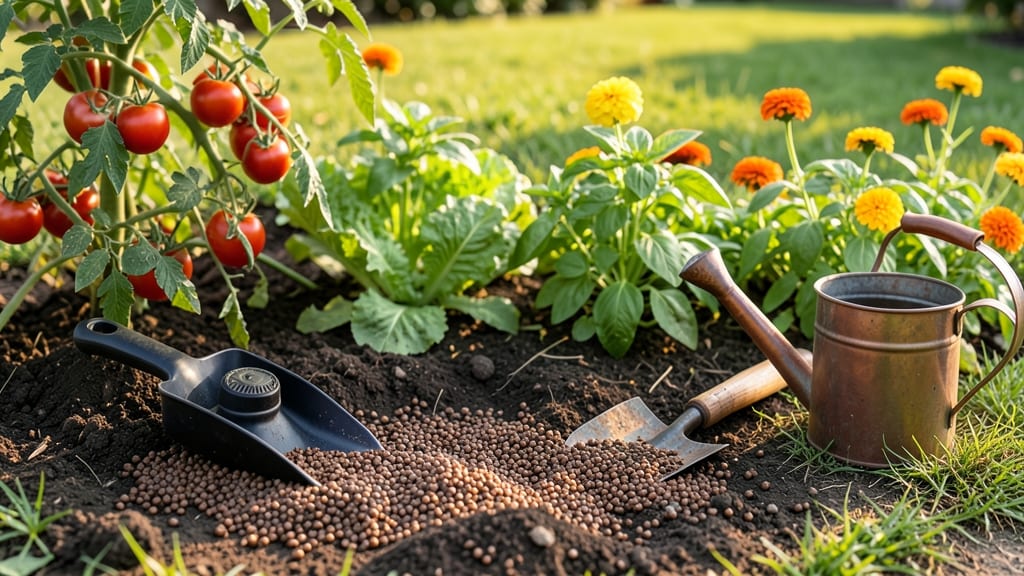
Should you fertilize your garden now, or wait until the plants are visibly struggling? Timing matters more than you think—get it wrong, and you’ll waste money or even harm your plants.
Picture this: you’ve just planted your spring vegetables, and the soil looks rich, but skipping the first feed means missing the growth explosion that happens when roots first spread. Too late, and you’ll end up with leggy, weak stems instead of the robust plants you’re hoping for.
In this guide, I’ll break down the exact moments to fertilize—whether you’re growing tomatoes, flowers, or lawns—plus how to read your plants’ signals so you never over- or under-feed again.
You’ll learn the seasonal schedule that works for Zone 6a gardens, the best fertilizer types for each stage, and even when to stop fertilizing to protect your plants and the planet.
Seasonal fertilizing schedule for vegetables, flowers, and lawns
Fertilizing your garden at the wrong time can actually harm your plants—too early and you’ll waste nutrients, too late and you’ll miss critical growth windows. The key is understanding how seasonal changes and plant types dictate when to feed.
Fast-growing vegetables need frequent feeding, while perennials and lawns thrive on a slower, more strategic schedule. Let’s break it down by season and plant category so you can fertilize with confidence.
Spring is the prime time for most gardens, but not all plants respond the same way. Cool-season crops like lettuce and broccoli need a gentle boost as soon as the soil warms, while warm-season plants like tomatoes and marigolds should wait until after the last frost.
Summer demands careful attention—over-fertilizing can burn plants in peak heat, while fall offers a final chance to prep perennials for winter. Let’s dive into the exact timing for each.
🌱 PRO TIP: Always test your soil first! A simple pH test (ideal range: 6.0–7.0) tells you whether your soil needs acid-loving amendments (like sulfur) or lime to balance nutrients before fertilizing.
Spring is your most critical window for vegetables. For cool-season crops like spinach or kale, fertilize at planting with a high-nitrogen blend (e.g., 10-5-5) to fuel leafy growth.
Wait until after the last frost for warm-season plants like peppers or basil—these need phosphorus-heavy fertilizer (e.g., 5-10-10) to establish strong roots before the heat sets in.
Summer demands precision. Fruiting vegetables (tomatoes, cucumbers) need potassium-rich fertilizer every 4-6 weeks, but avoid feeding during extreme heat (above 90°F) to prevent root burn. For lawns, split summer feeding into two doses: early summer for growth and late summer to harden roots before fall.
Always water deeply after fertilizing to activate nutrients.
Fall is about preparation, not production. Perennials
Signs your plants need fertilizer (and when to wait)
Your garden plants send clear signals when they're hungry for nutrients—but many gardeners miss them. Yellowing leaves, stunted growth, or weak stems often mean your plants need a nutrient boost.
However, not all yellow leaves equal fertilizer needs; sometimes they signal overwatering or pests. Learning the difference is key to avoiding costly mistakes.
Before reaching for fertilizer, check the soil moisture and leaf texture. Dry, crispy edges suggest thirst, while mushy stems may mean root rot.
Only after ruling out these issues should you consider fertilization. Slow growth in spring or poor flowering in summer are classic hunger signs—but timing matters just as much as the symptoms.
⚠️ callout-warning
Don’t fertilize when plants are stressed (from drought, transplant shock, or extreme heat). Wait until they show active growth—new leaves, buds, or roots. For vegetables, feed when plants are 4-6 inches tall. For flowers, fertilize when buds form. Lawns need feeding in early spring and fall—never in summer drought.
❗️ Over-fertilizing burns roots and attracts pests.
Yellow leaves on older leaves (bottom of the plant) often indicate nitrogen deficiency, while yellowing on new growth may signal phosphorus or potassium issues. Purple stems or small leaves usually mean phosphorus is lacking. Test your soil first—many gardens need organic matter (like compost) more than synthetic fertilizer.
If your plants have weak stems that flop or small flowers with few blooms, they’re likely nitrogen-starved. Feed with a balanced fertilizer (like 10-10-10) when you see new leaf growth starting. For fruit-bearing plants, switch to a high-phosphorus fertilizer (like 5-10-10) when buds appear.
Wait to fertilize if your plants are dormant (like in winter) or recovering from stress (after a pest attack or transplant). Newly planted trees or shrubs should wait 6-8 weeks before their first feeding. Always water deeply before and after fertilizing to prevent root burn.
Remember: Less is often more. A little fertilizer goes a long way, and overfeeding can harm your plants more than hunger ever could. Start with half the recommended dose and observe for 2 weeks before adjusting. Your plants will thank you with vibrant growth and bountiful harvests! 🌱